
The Church of the Holy Cross in Nin: The Smallest Cathedral in the World


Beyond its architectural beauty, the church holds a fascinating secret: it functions as a unique calendar and sundial.
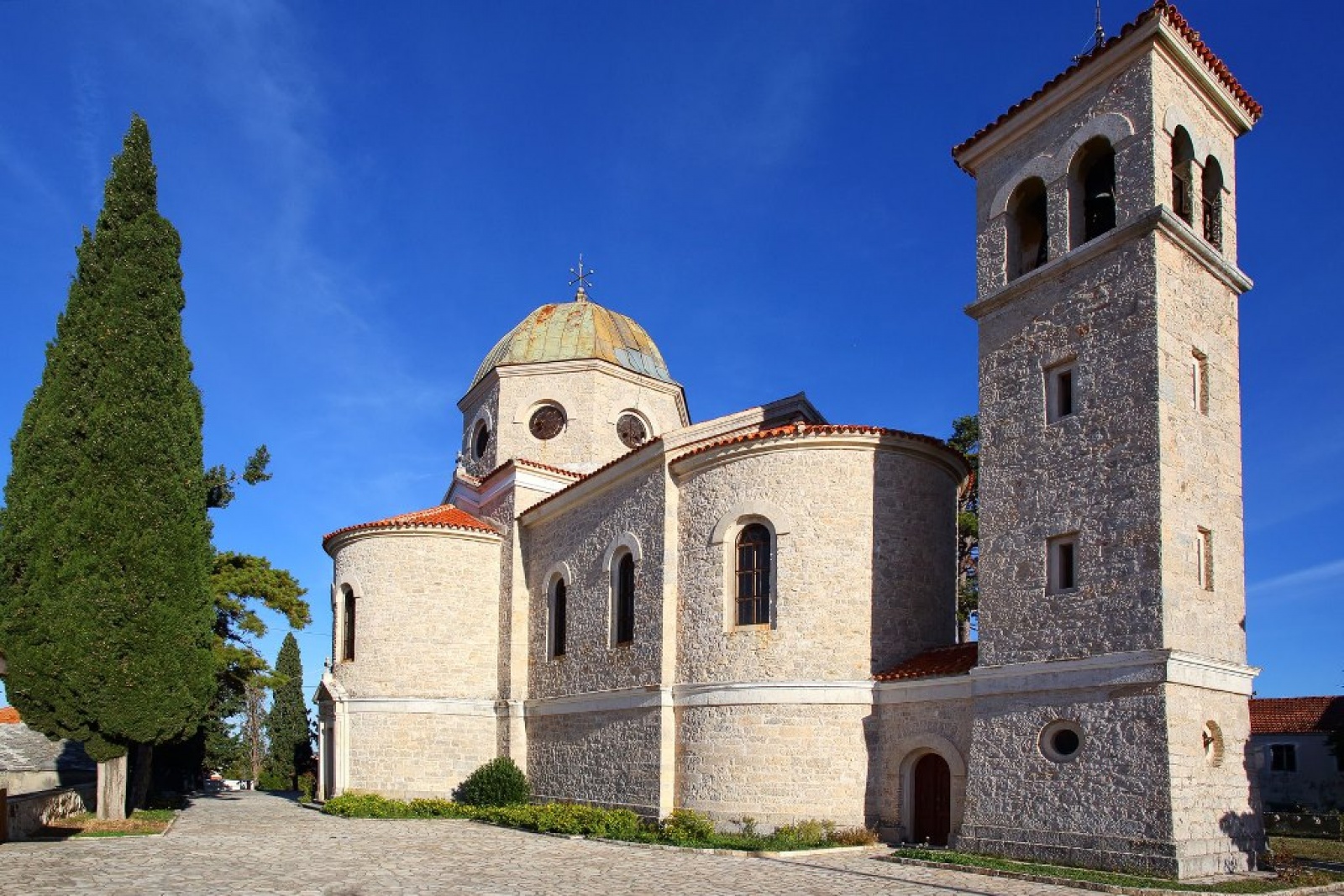
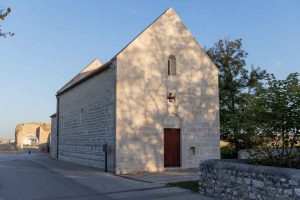
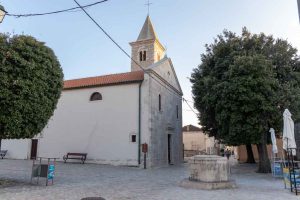
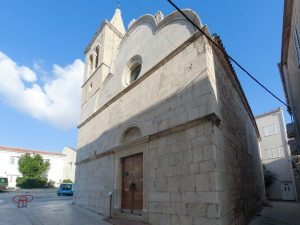
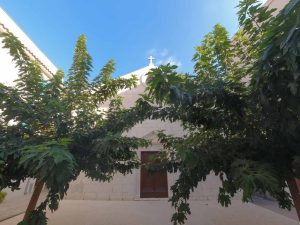
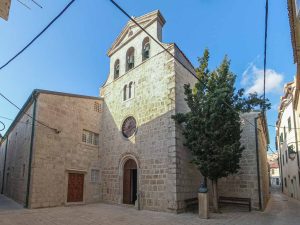
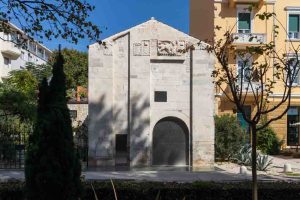
The Church of the Holy Cross (Croatian: Crkva svetog Križa), located in Nin, Croatia, is a remarkable Pre-Romanesque Catholic church dating from the 9th century. Often affectionately referred to as “the smallest cathedral in the world,” this unofficial title was coined by the famous English architect Thomas Jackson, captivated by its unique charm and significance.
This central-type church stands as the most valuable preserved monument of Old Croatian church architecture and remains one of Nin’s enduring symbols. Its graceful presence and beauty truly dominate the area where it stands. Remarkably, it is the only sacred building in Nin that has remained intact from its construction in the early Christian period of the 9th century to the present day.
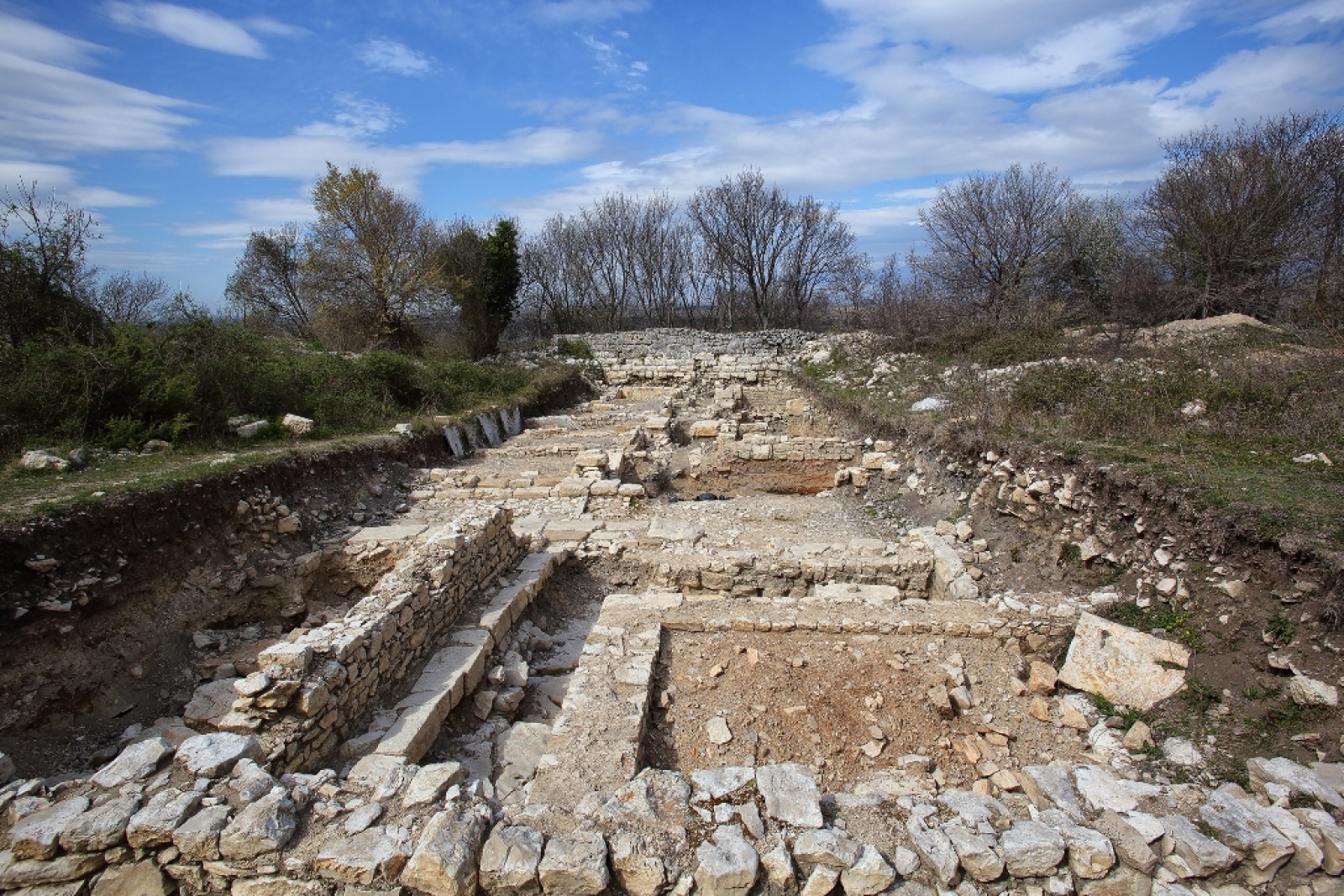
The Church of the Holy Cross boasts modest, yet perfectly proportioned dimensions: 7.80 meters long, 7.60 meters wide, and 8.20 meters high (interior measurements), with walls 57 cm thick. It was built upon the visible remains of ancient houses, highlighting the historical layers of Nin. During the era of Croatian rulers, it served a significant role as a court chapel for the nearby princely court, and numerous medieval graves have been discovered in its vicinity.
Beyond its architectural beauty, the church holds a fascinating secret: it functions as a unique calendar and sundial. Thanks to the precise positioning of its windows and the specific angles at which sunlight enters, it’s possible to accurately determine the dates of solstices and equinoxes. This ingenious feature is even celebrated annually with the “Festival of Sun and Light,” held on the first day of summer.
Adding to the church’s historical richness are the distinctive Croatian interlace and a carved inscription bearing the name of Godečaj, the count. The inscription reads: “GODEÇAI IVPPANO [QVI?] ISTO DOMO CO[(M)POSIT] or CO[NSTRUXIT]” (Count Godečaj who erected this church).
However, it is not clear whether the inscription was carved during the construction of the church or later, and it is dated from the end of the 8th century to the beginning of the 11th century.
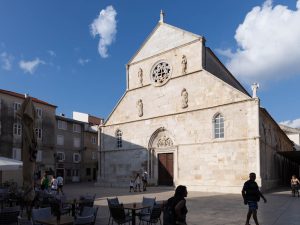
Though it ceased to be the seat of the Bishop of Nin in the 18th century, the Church of the Holy Cross remains a profound testament to early Croatian ingenuity, faith, and architectural prowess. It’s a must-visit for anyone interested in history, architecture, or the unique cultural heritage of Croatia.
Location
Nin
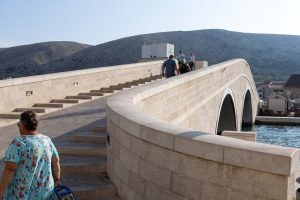
Nin (Aenona or Nona) is a town in the Zadar County of Croatia. Its historical center is located on an islet only 500 meters (yards) in diameter. It is situated in a lagoon on the eastern shore of the Adriatic Sea, surrounded by natural sandy beaches and linked to the mainland by two stone bridges from the 16th century. The present-day town on the islet was founded 3,000 years ago and is one of the oldest towns on the eastern Adriatic. The area of Nin was first colonized by ancient people of the Mediterranean.
ExplorePre-Romanesque
In the 7th century, the Croats, with other Slavs and Avars, came from Northern Europe to the region where they live today. They were on the level of Iron Age nomadic culture, so they did not know how to enjoy the advantages of urban cities. This is why they first inhabited city boundaries on nearby rivers (like Jadro near Roman Salona).
Explore















Reviews
There are no reviews yet.