Benkovac
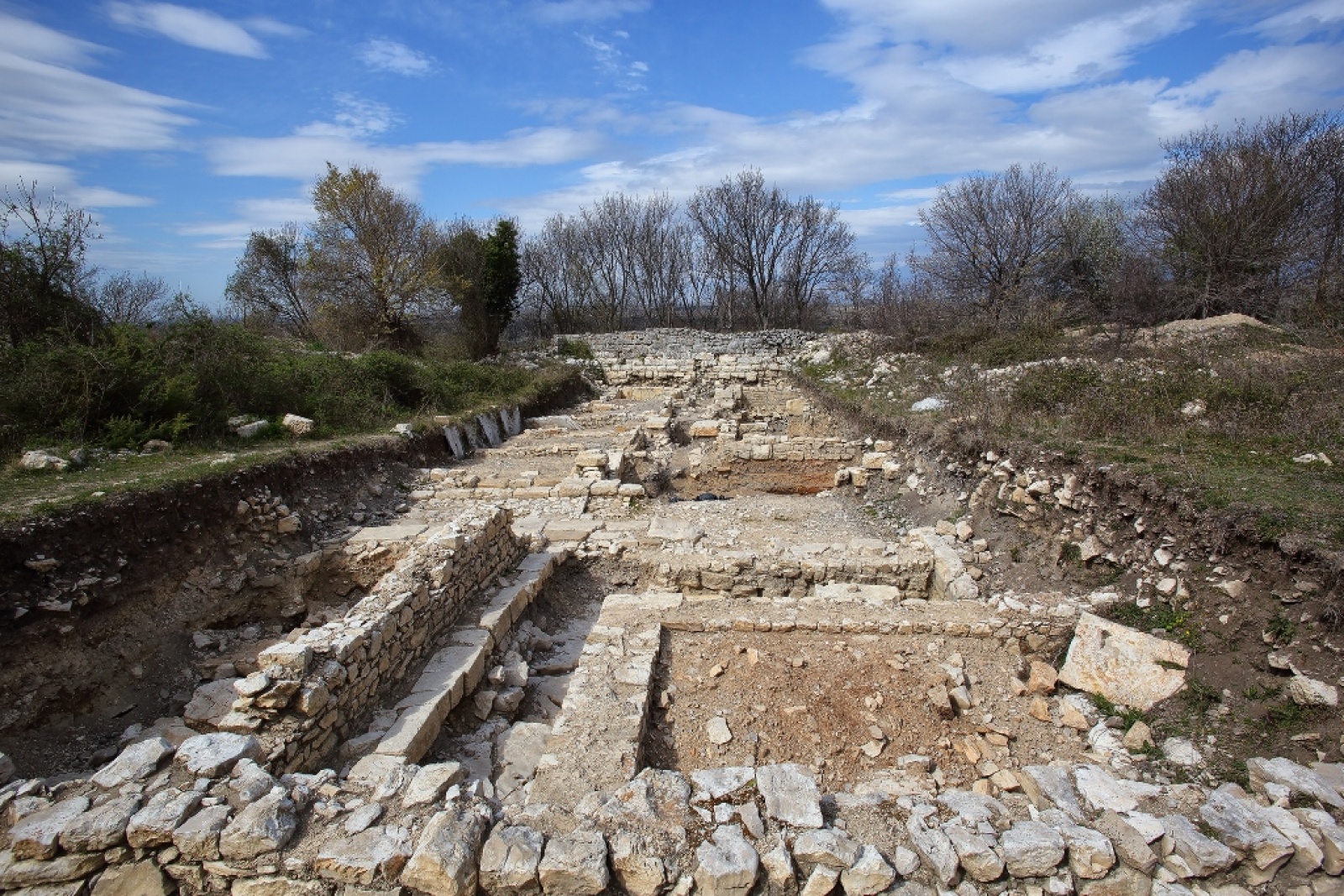
The first traces of human life in the Benkovac area were found around the village of Smilčić that belonged to the Danilo culture. Before Roman conquest the area was inhabited by the Illyrian tribe of Liburnians. During the Roman Civil war the Liburnians sided with Caesar. The Romans mention the following Liburnian settlements: Nedinum (Nadin), Carinium (Karin), Varvaria (Bribir) and Asseria (Podgrađe). In 7th century the area was settled by Croats. The area of Benkovac was at the crossroads of four Croatian župas – Novljanska, Sidraška, Bribirska and Karinska. Near the village of Šopot, an inscription from the 9th century was found that mentions Branimir as a Croatian Duke.
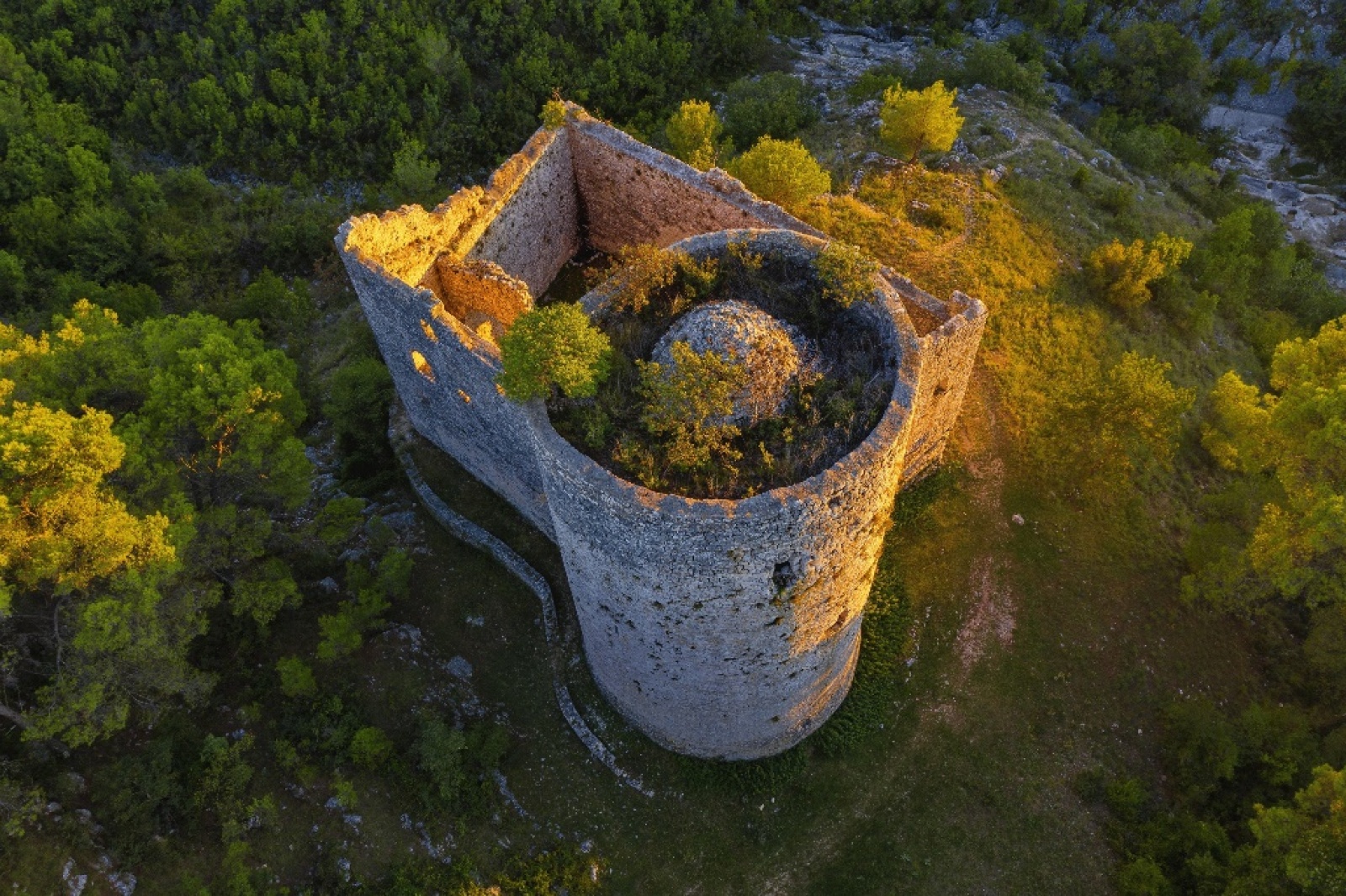
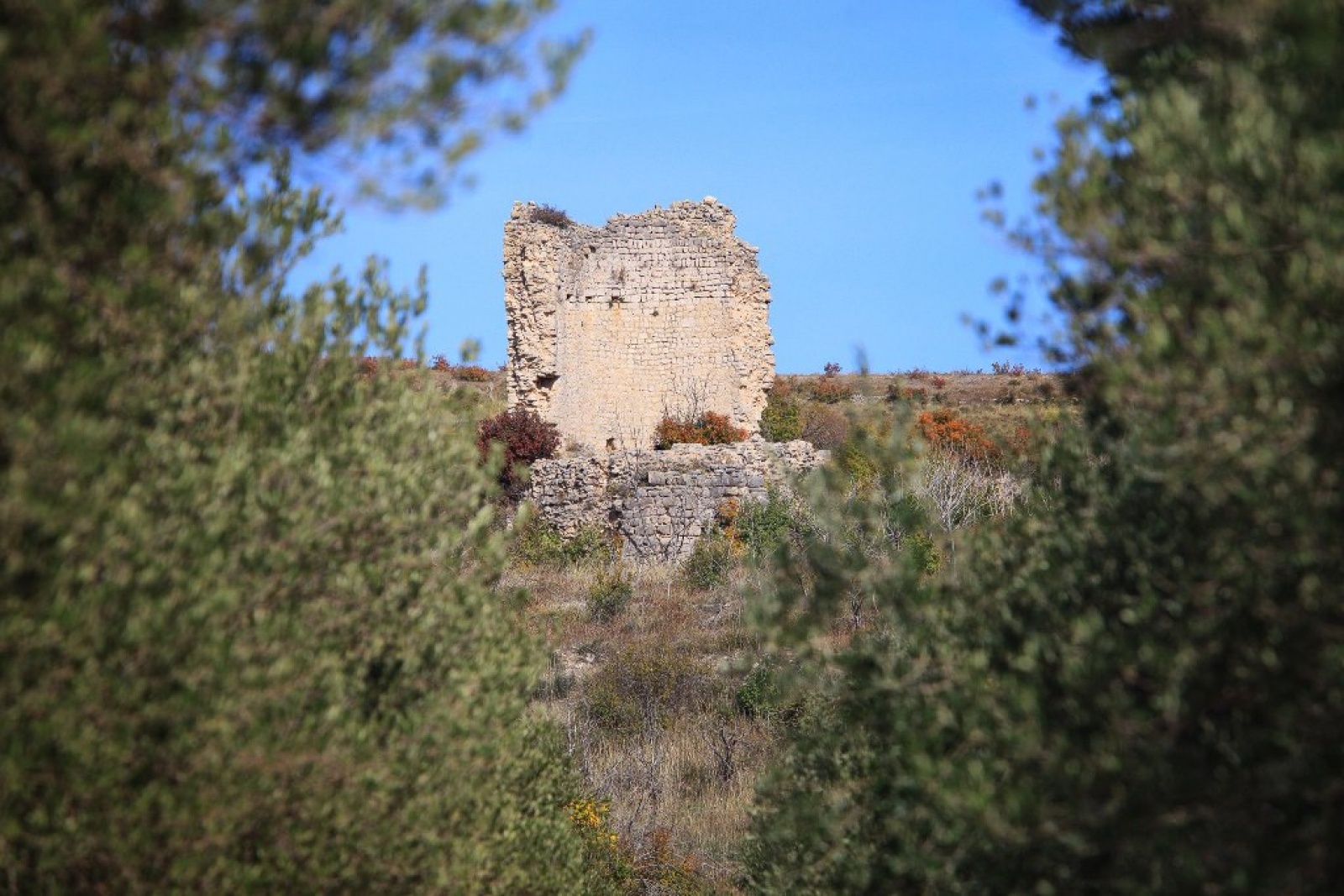
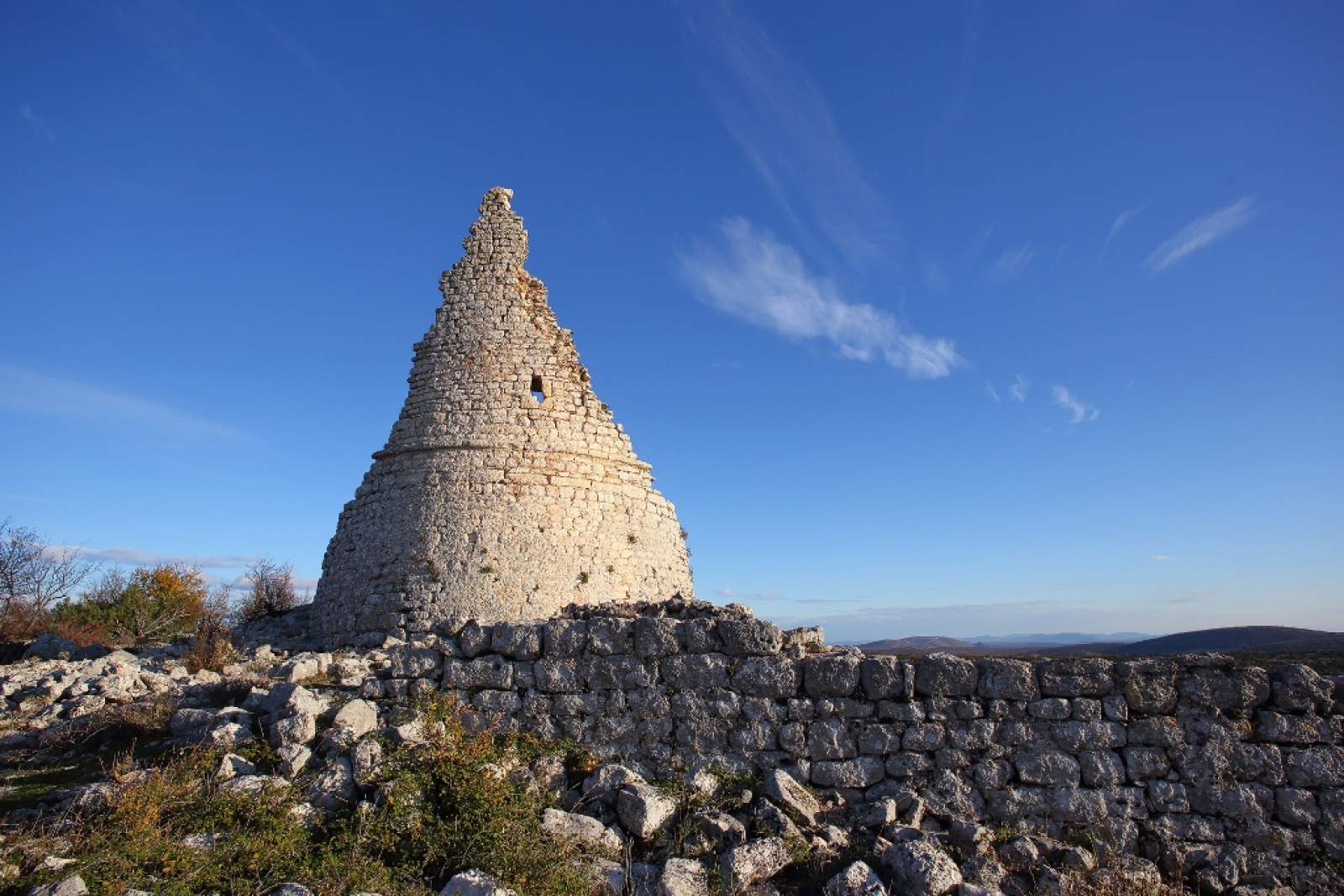
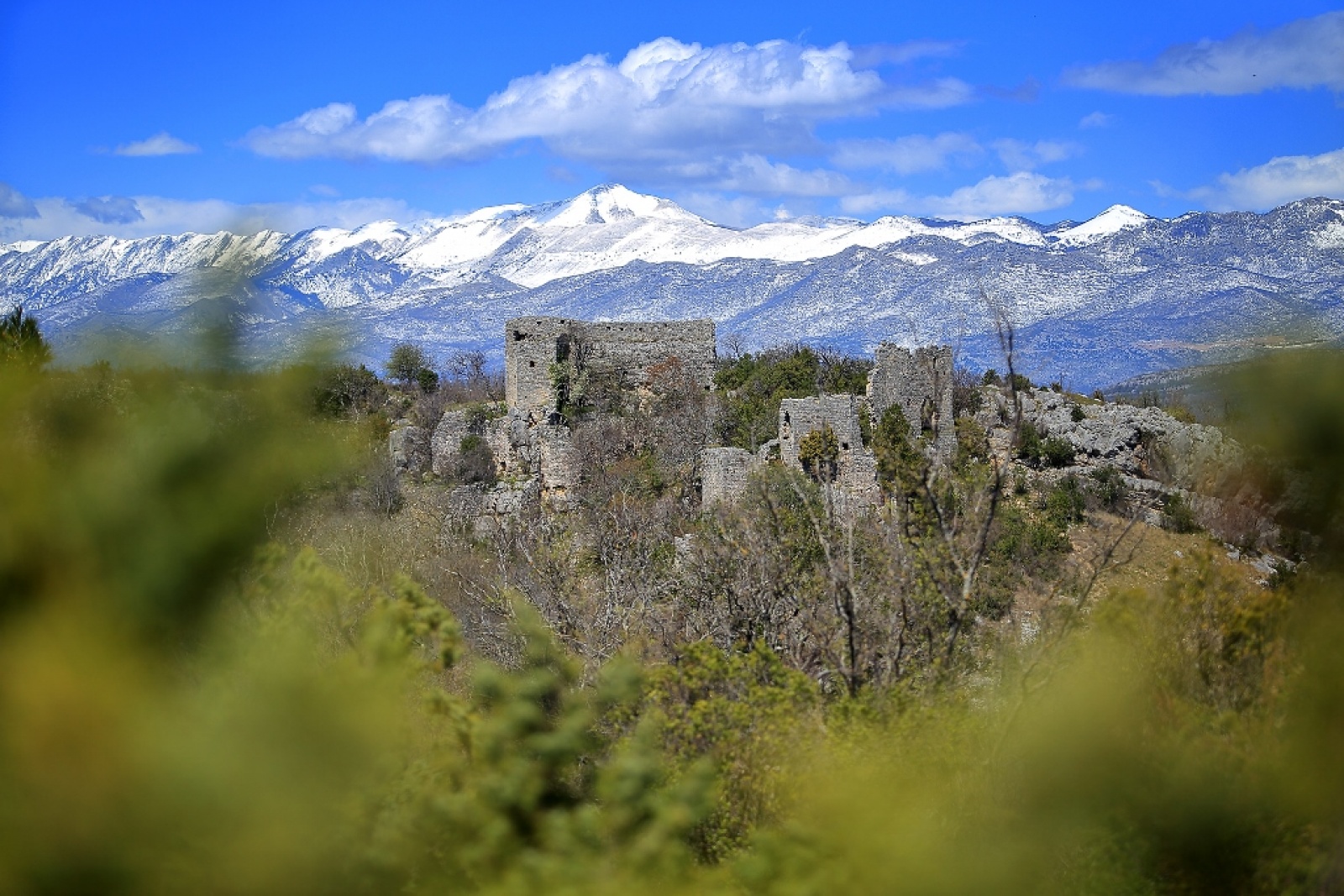
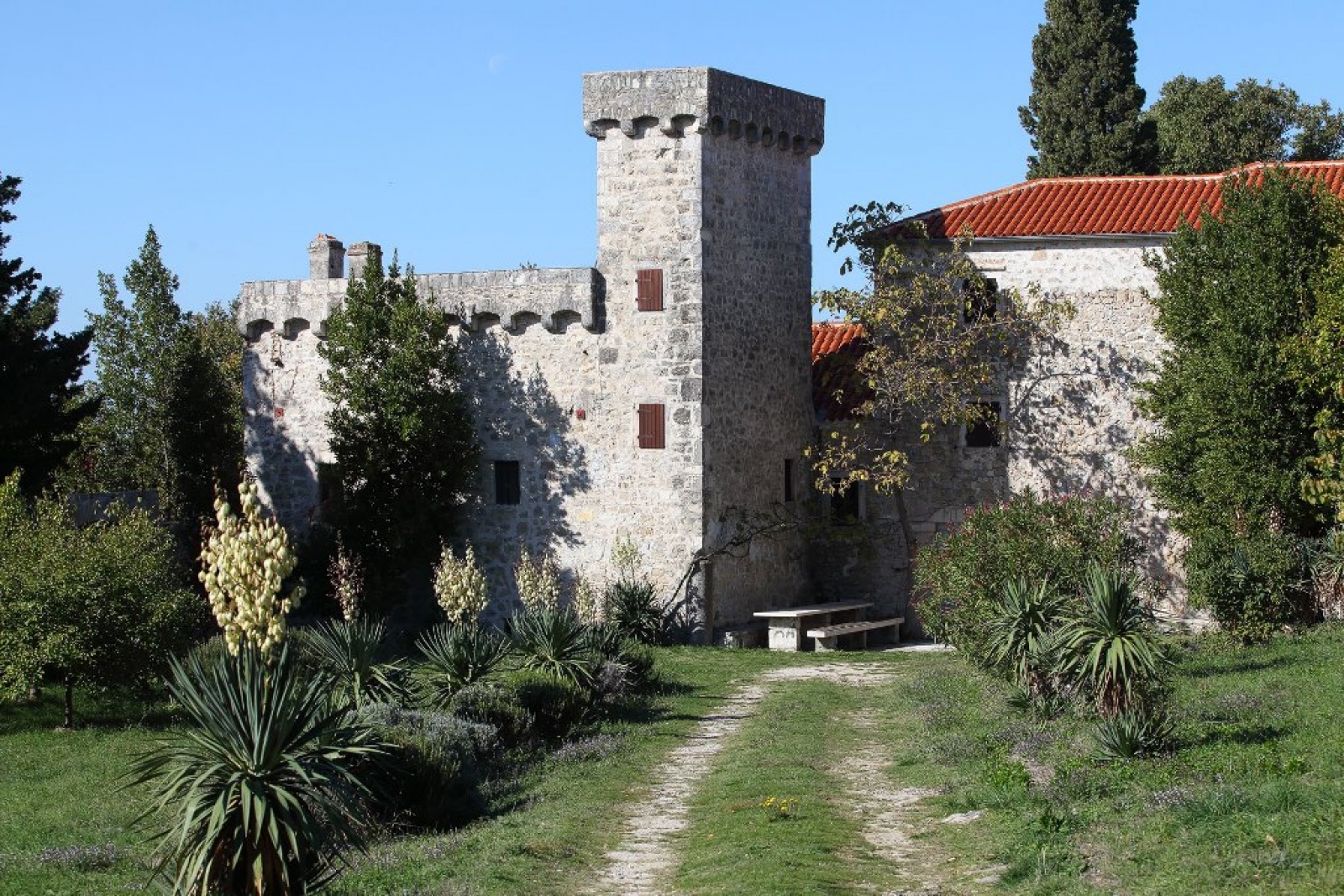
In 1409 King Ladislaus of Naples sold his rights of Dalmatia to the Republic of Venice and the Benkovac area became a border region. New fortresses around the border were built – Korlat, Kličevica, Polača, and behind them Benković i Perušić. The fortress of Benković was named after the Croatian noble family that built it and the city of Benkovac was established. In 1527 Benkovac became part of the Ottoman Empire. It was settled by Croats–Bunjevci, Serbs and Vlachs.
In October 1683, the population of Venetian Dalmatia, principally Uskoks of Ravni kotari, took arms and together with the rayah (lower class) of the Ottoman frontier regions rose up, taking Skradin, Karin, Vrana, Benkovac and Obrovac. It became part of the Republic of Venice following the Morean War.[citation needed]
After the peace agreements in Campo Formio in 1797 and Požun in 1805, Benkovac came under French administration. In 1813, when it came under Austrian administration, Benkovac had 5,200 inhabitants.
Until 1918, the town (with bilingual name BENKOVAC – BENCOVAZ) was part of the Austrian monarchy in the district of the same name, one of 13 Bezirkshauptmannschaften in Dalmatia. The name was BENCOVACZ before 1867.
From 1929 to 1939, Benkovac was part of the Littoral Banovina and from 1939 to 1941 of the Banovina of Croatia within the Kingdom of Yugoslavia. The area was bombed by the Allies during World War II.
During the Croatian War of Independence, Benkovac was a center of unrest and hostilities between Croats and Serbs. On 17 March 1990, tensions erupted when groups of local Serbs rebelled against the decision of the government to disarm local police in which Serbs were most of the employees. During that time the provincial Croatian government continued arming police forces and paramilitaries in villages with ethnic Croat majorities. Tensions continued to boil, and five months later, Benkovac was included in the Republic of Serbian Krajina. Five years later on 5 August 1995, Benkovac was retaken by the Croatian Army during Operation Storm.
In 2004 Prime Minister of Croatia Ivo Sanader, together with Minister of Foreign Affairs of Bulgaria Solomon Passy and the President of the Serb National Council Milorad Pupovac visited Serb returnees who left the country in 1995 at the time of the Operation Storm in Donje Biljane and Buković as well as new Croat settlers in the village of Benkovačko Selo.
Source: Wikipedia
Showing all 24 results