
Stojan Janković’s tower in Islam Grčki
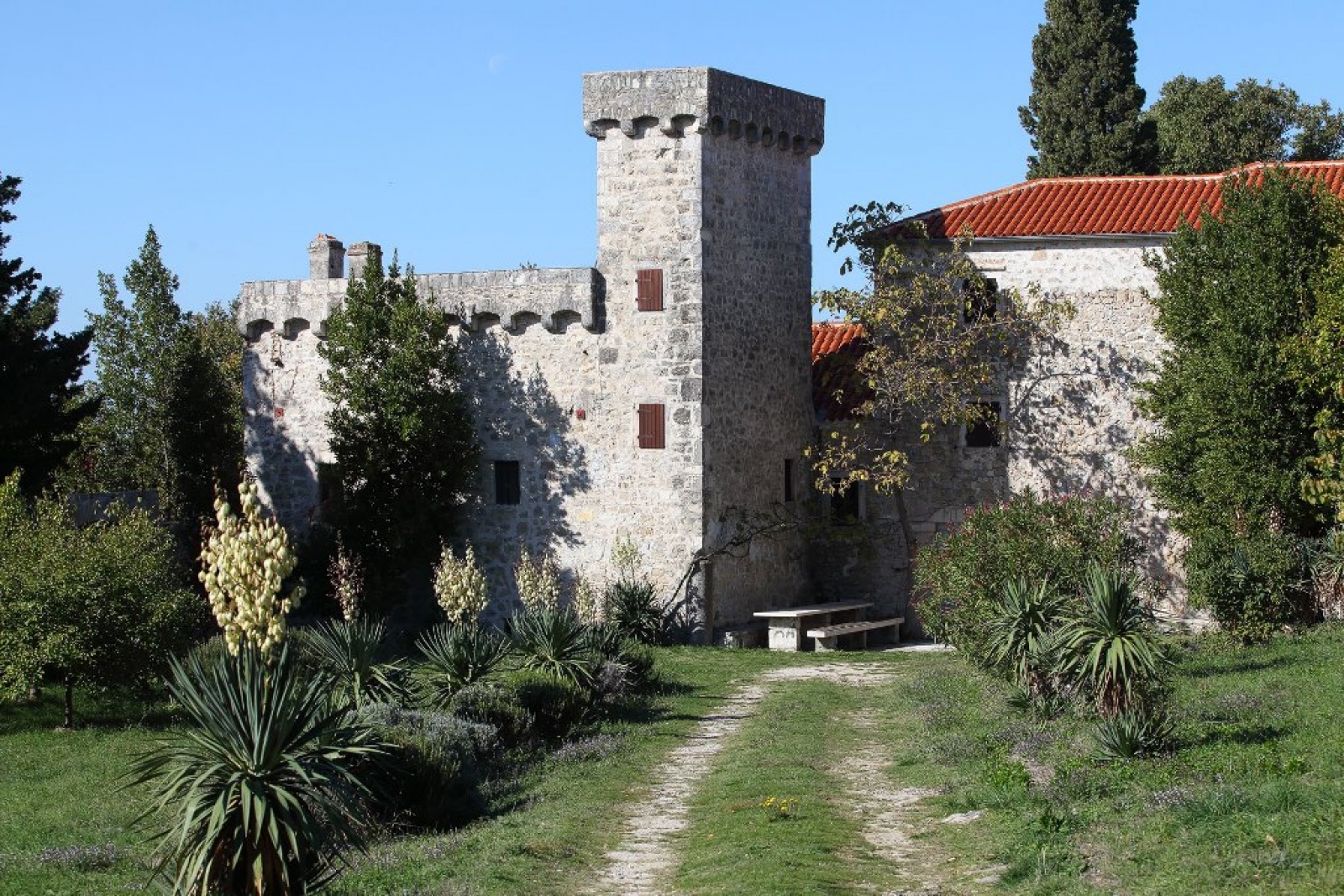
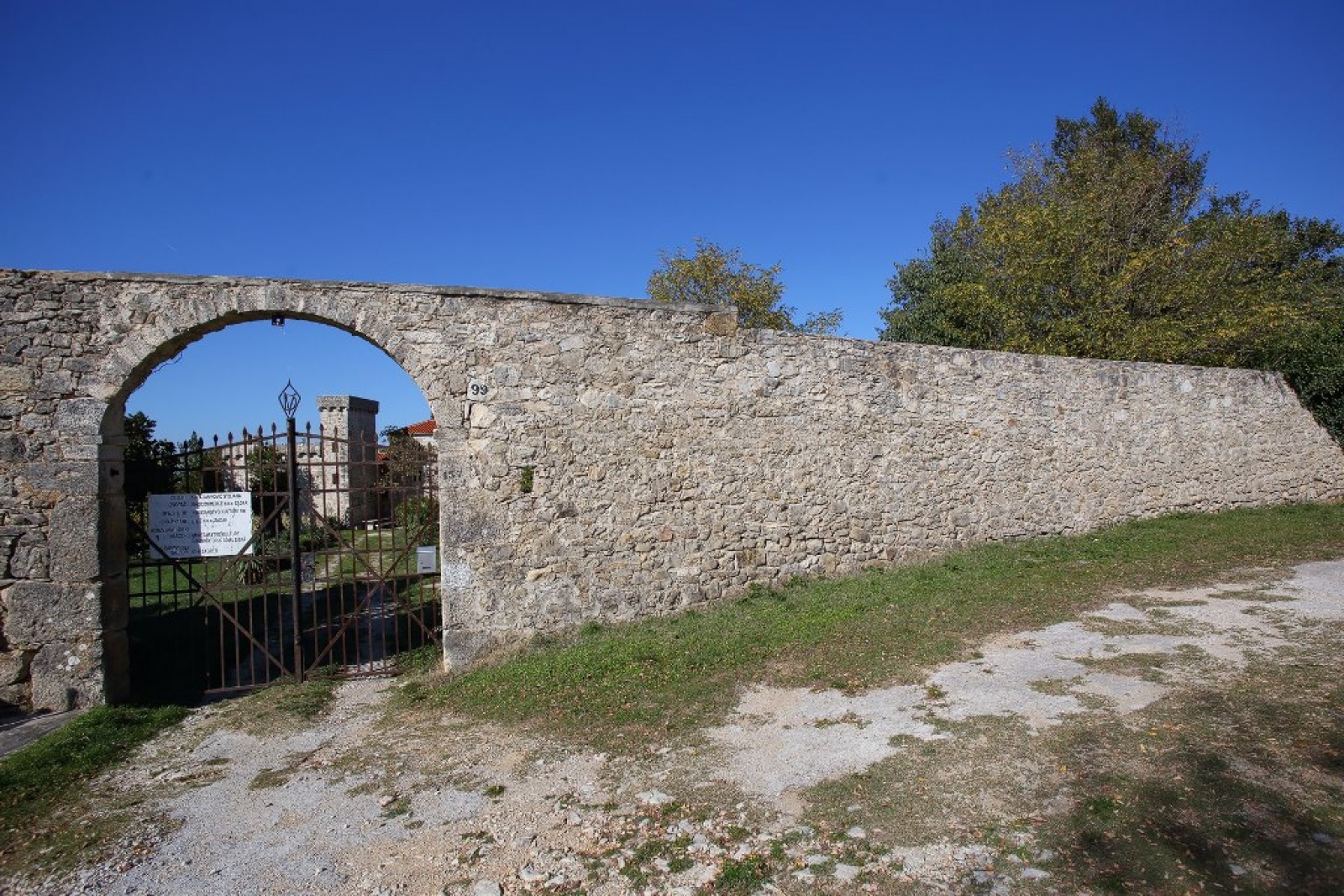
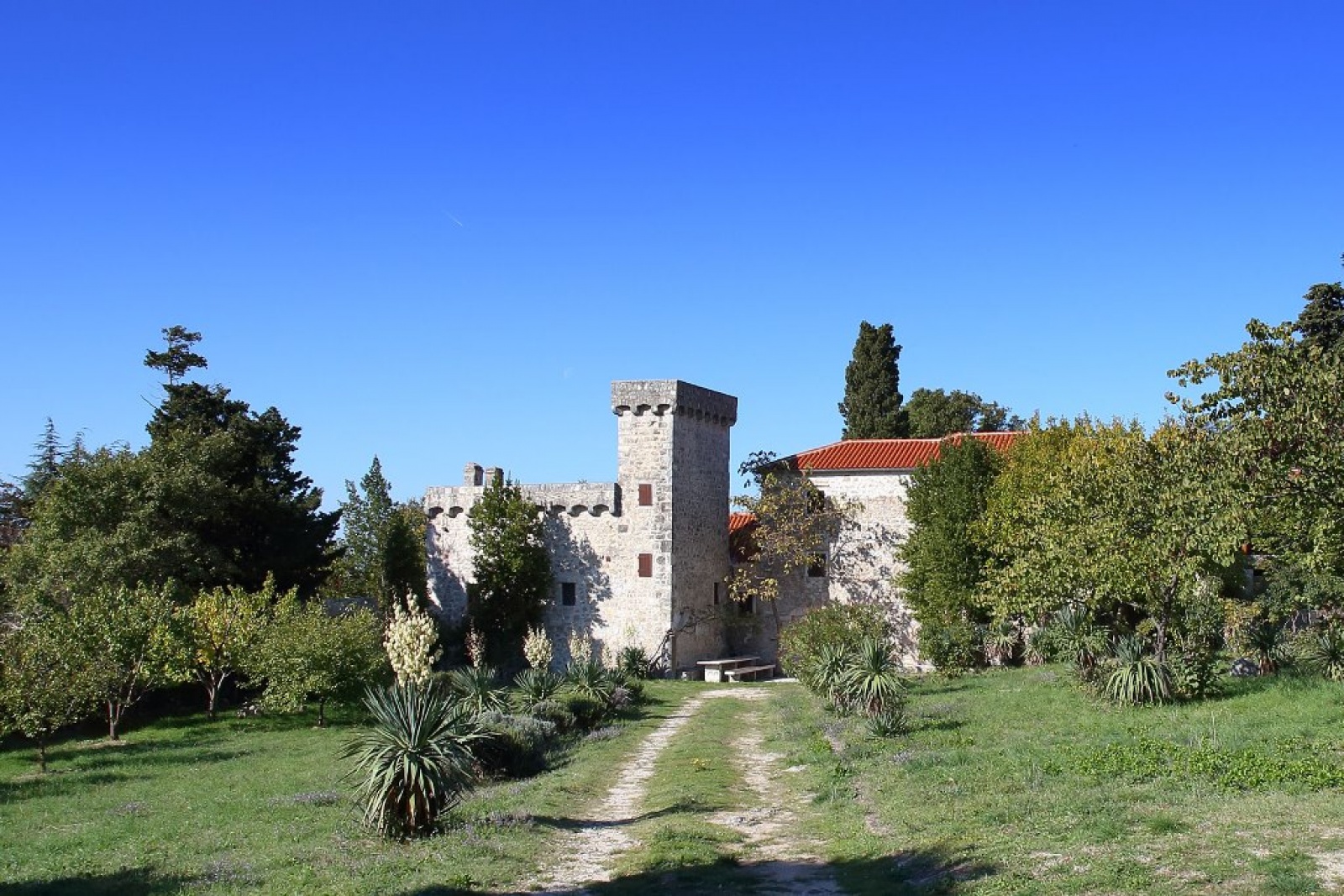
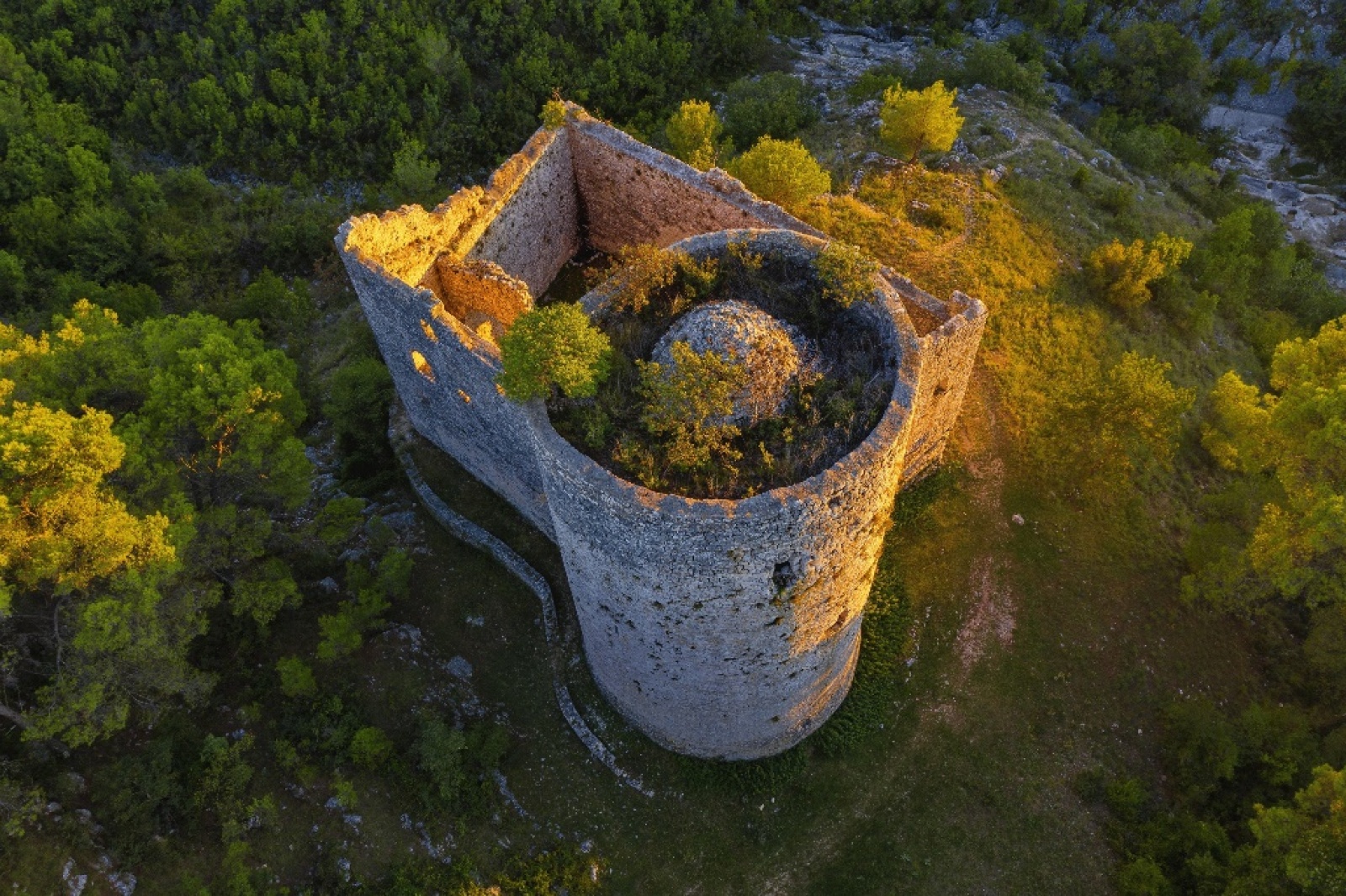
Named after the renowned Serdar family’s most important figure, Janković Stojan, the tower is also known as the Janković Stojan Tower and stands along the historic medieval road once called “Via Magna.”
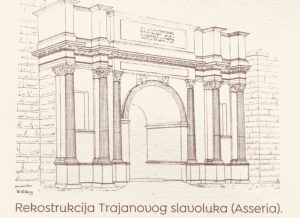
The Via Magna (Great Road), running parallel to today’s Benkovac-Knin road, connected the area from Zadar (Jader) to Bribir, Skradin (Scardona), and Solin (Salona), then the regional seat, during the Roman Empire, passing through Podgrađe (Asseria).
Stojan Janković’s Tower is a unique historical monument that blends defensive, residential, and economic structures, acting as a bastion on the frontier with the former Ottoman Empire.
Stojan Janković gained fame in the 17th-century battles against the Ottoman Empire, becoming a legendary hero celebrated in numerous epic folk poems. For his military successes, he was granted the noble title of Cavaliere by the Venetian Republic.
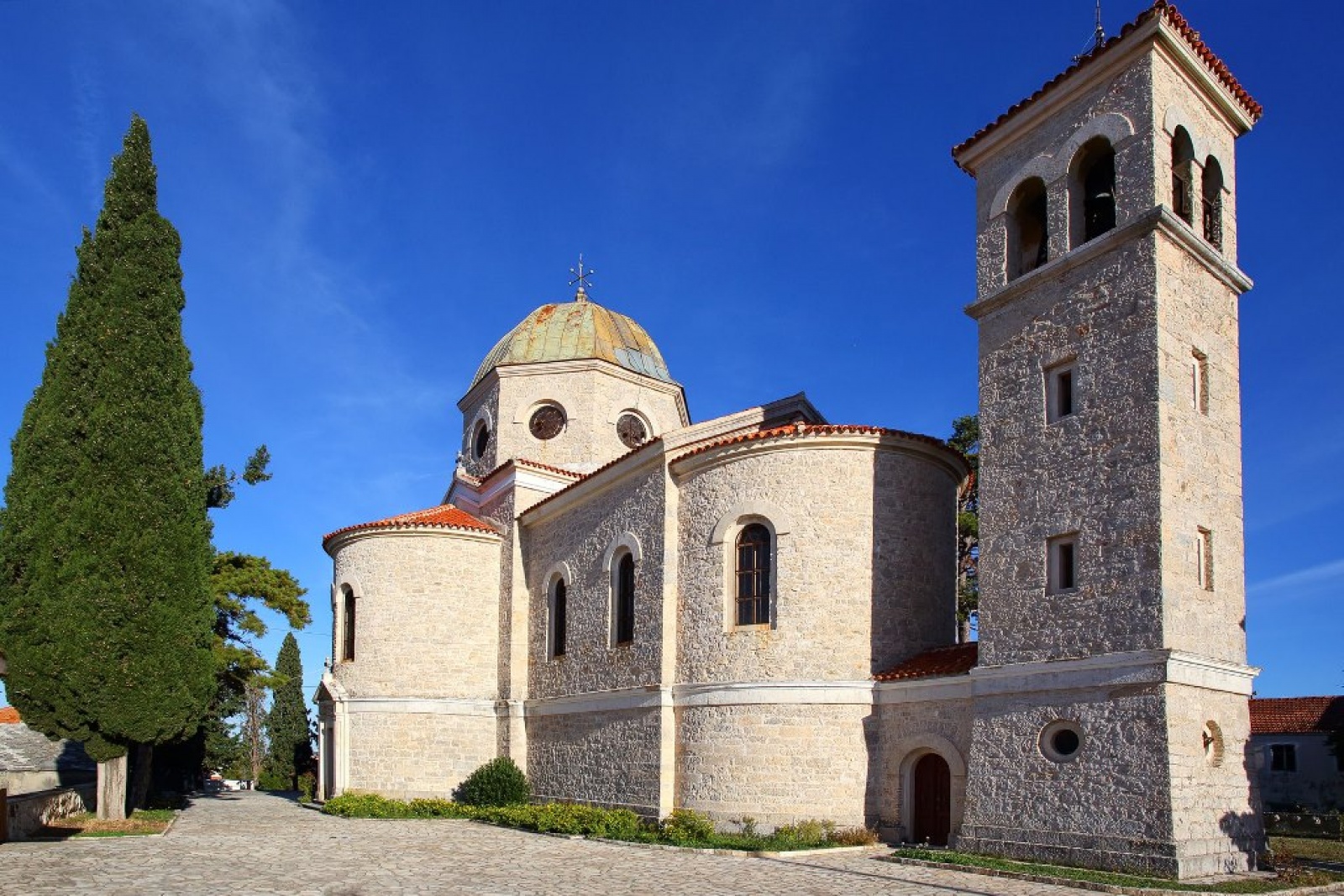
The writer Vladan Desnica, an heir of the Janković family whose descendants still own the Tower today, created his greatest works here. He is also buried in the church-family tomb next to the fortress.
The Kotar serdars, glorified and sung about in heroic folk songs as fighters against the Turks, were commanders of the local uskoks, or the native and settled Christian population. They were always obliged to maintain a specific number of soldiers, fully equipped for battle, on the volatile border.
Vladan Desnica wished for the Tower’s values and beauty to be accessible to all. In the mid-20th century, he opened the oldest part of the castle to the public, skillfully and tastefully arranging several of the most atmospherically valuable rooms within the Tower and transforming it into an exhibition space for part of the collections.
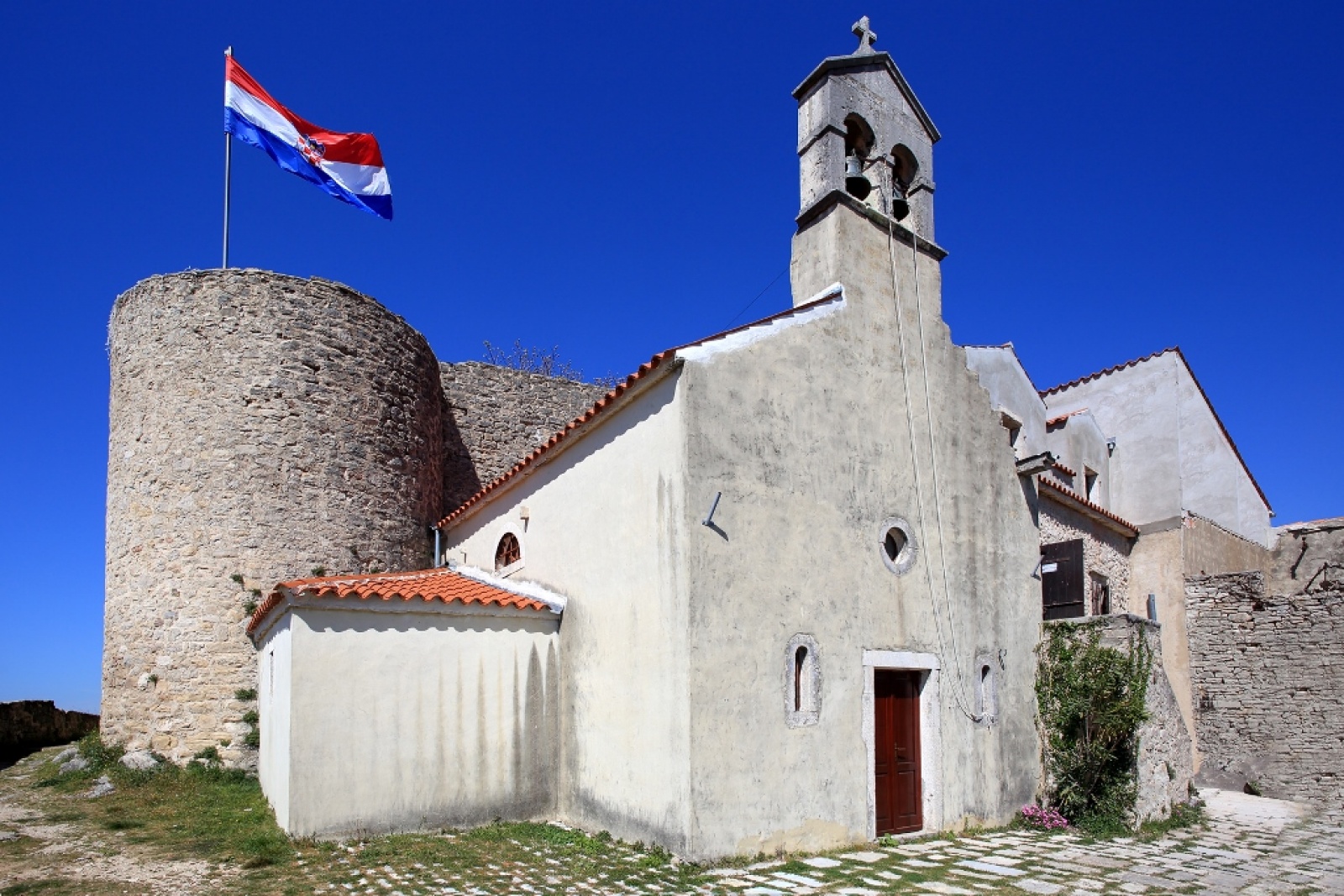
Today’s owners, the descendants, strive for the same goals. During the summer months, visitors to the partially restored tower in its historical core can explore the ethnographic collection “In the Old Kitchen,” the exhibitions “Guardians of Janković Tower” and “Icons of Janković Tower,” the tower (viewpoint) and dungeon, as well as the surrounding park and the small Church of St. George. The complex, including its exterior, can also be visited year-round.
Educational events and gatherings are also organized at the tower during the summer.
Location
Benkovac
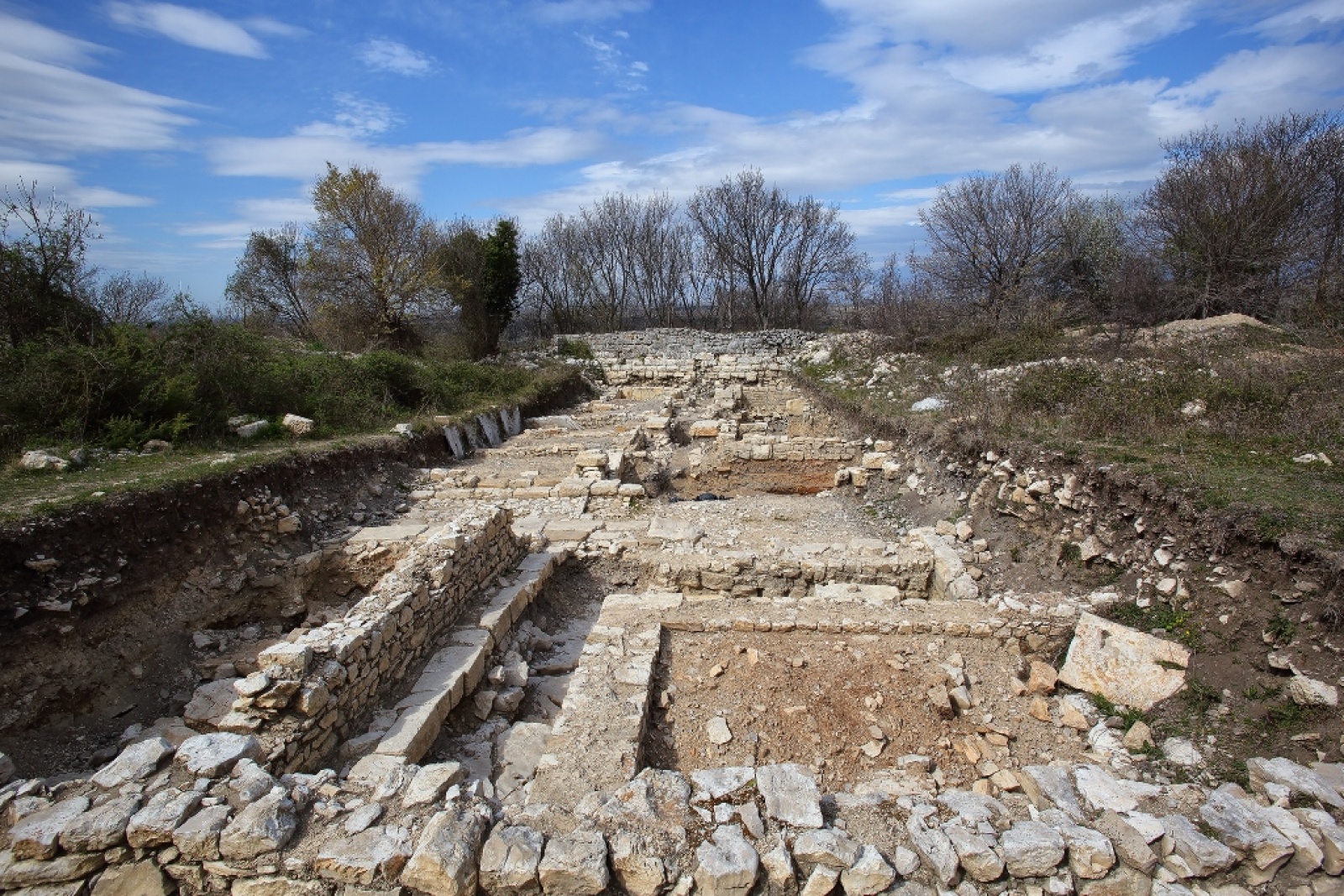
The first traces of human life in the Benkovac area were found around the village of Smilčić that belonged to the Danilo culture. Before Roman conquest the area was inhabited by the Illyrian tribe of Liburnians. During the Roman Civil war the Liburnians sided with Caesar. The Romans mention the following Liburnian settlements: Nedinum (Nadin), Carinium (Karin), Varvaria (Bribir) and Asseria (Podgrađe). In 7th century the area was settled by Croats. The area of Benkovac was at the crossroads of four Croatian župas – Novljanska, Sidraška, Bribirska and Karinska. Near the village of Šopot, an inscription from the 9th century was found that mentions Branimir as a Croatian Duke.
Explore







Reviews
There are no reviews yet.