
Kličevica Fortress and Leonardo da Vinci’s Cannon
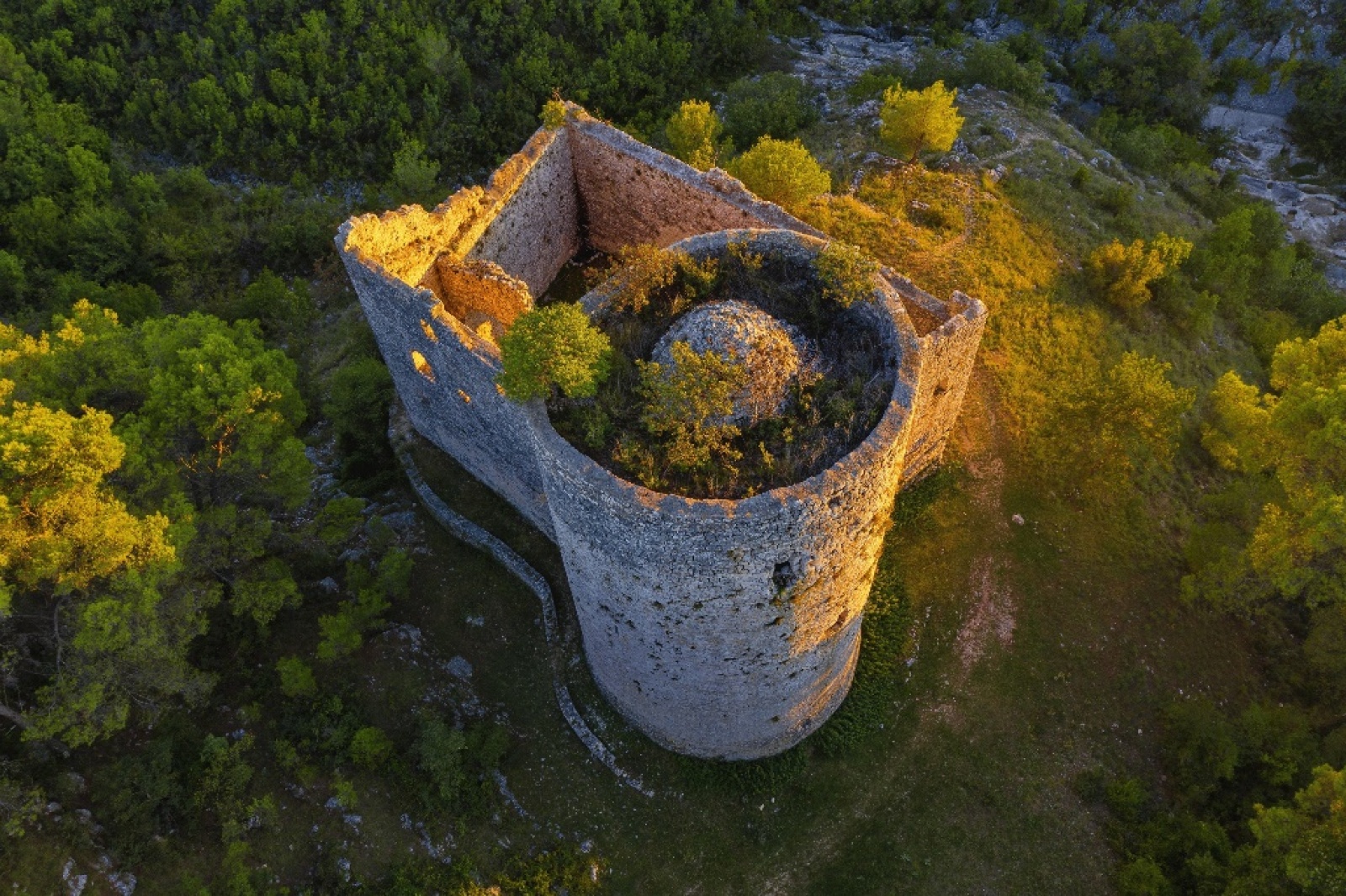
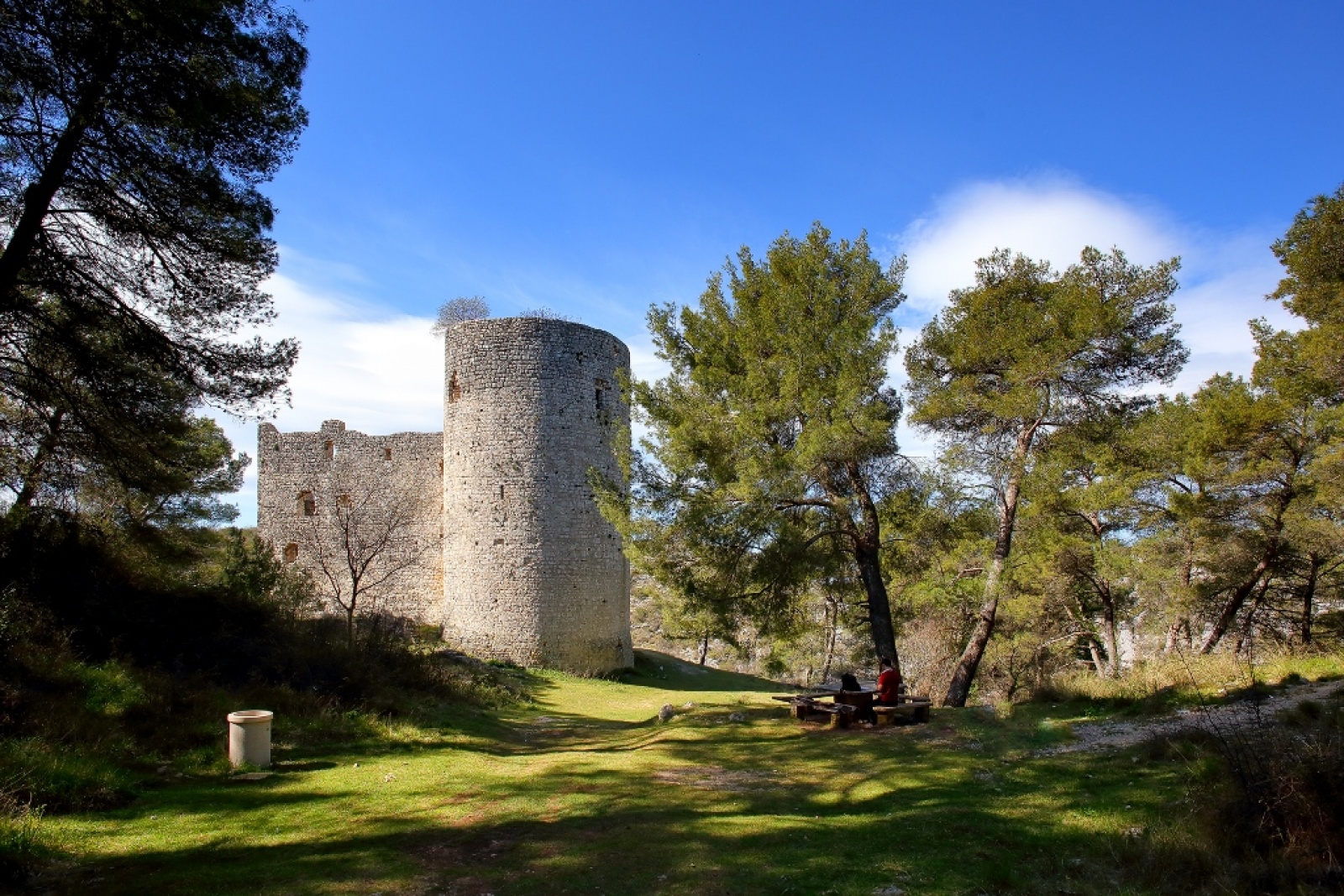
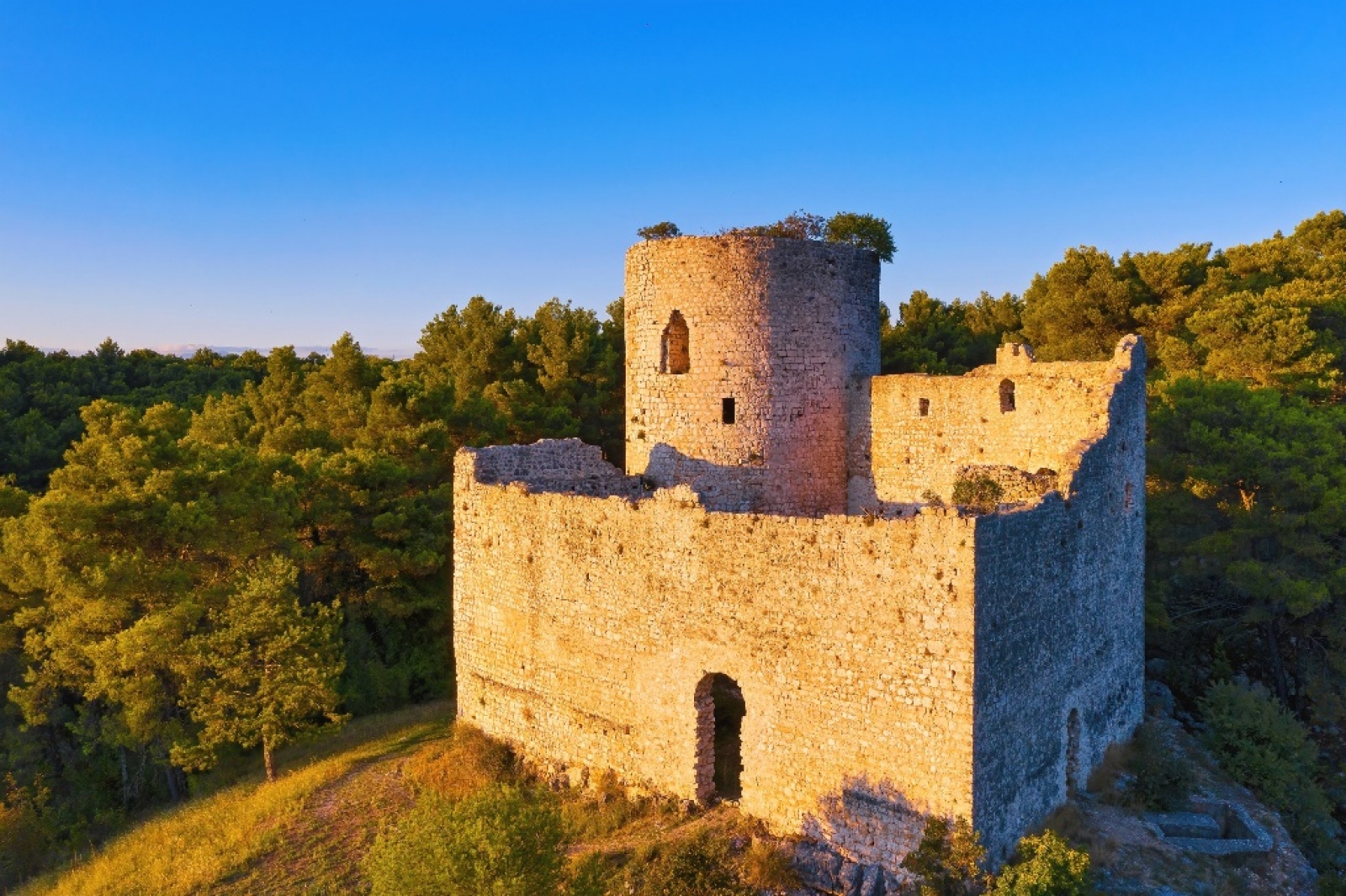
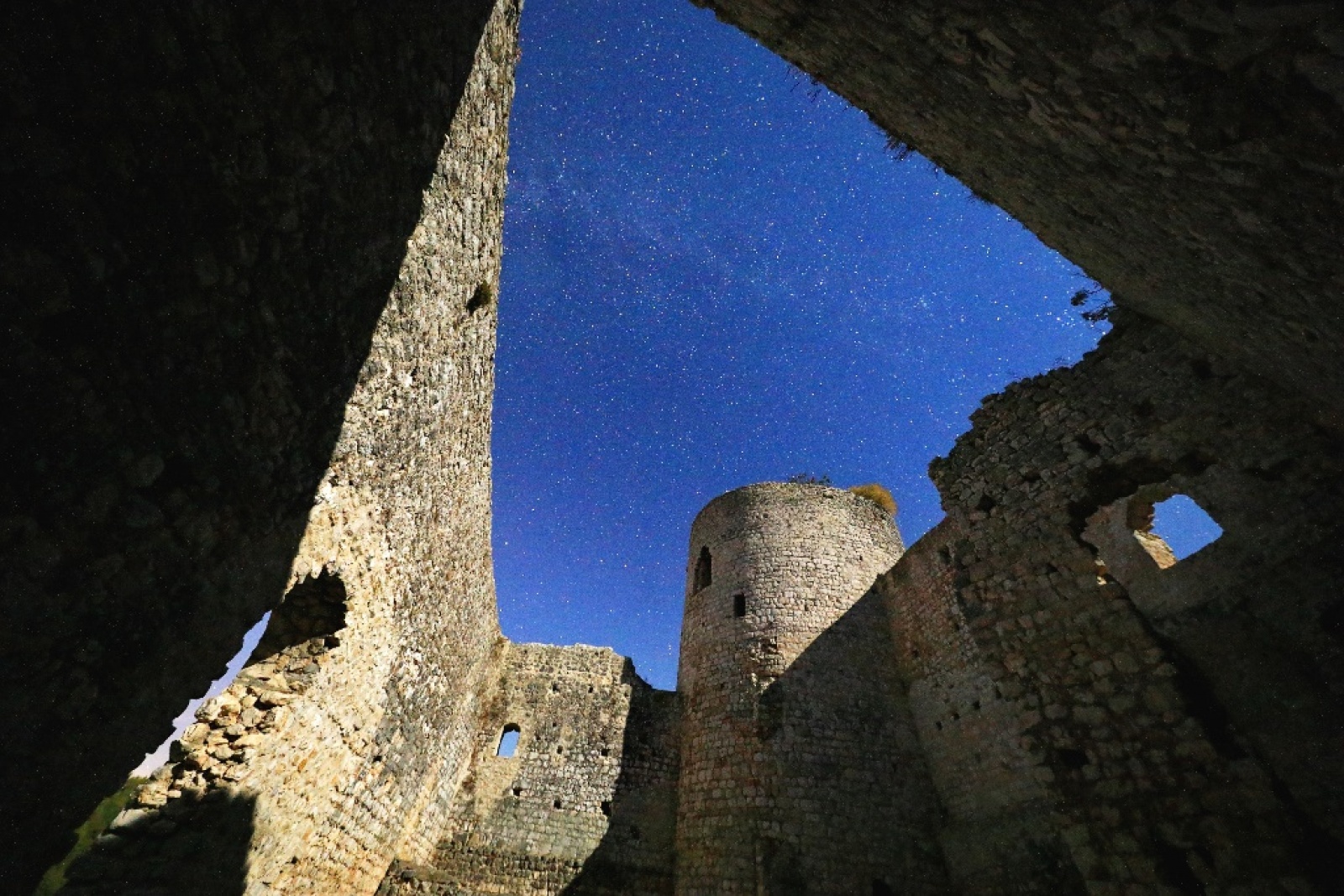
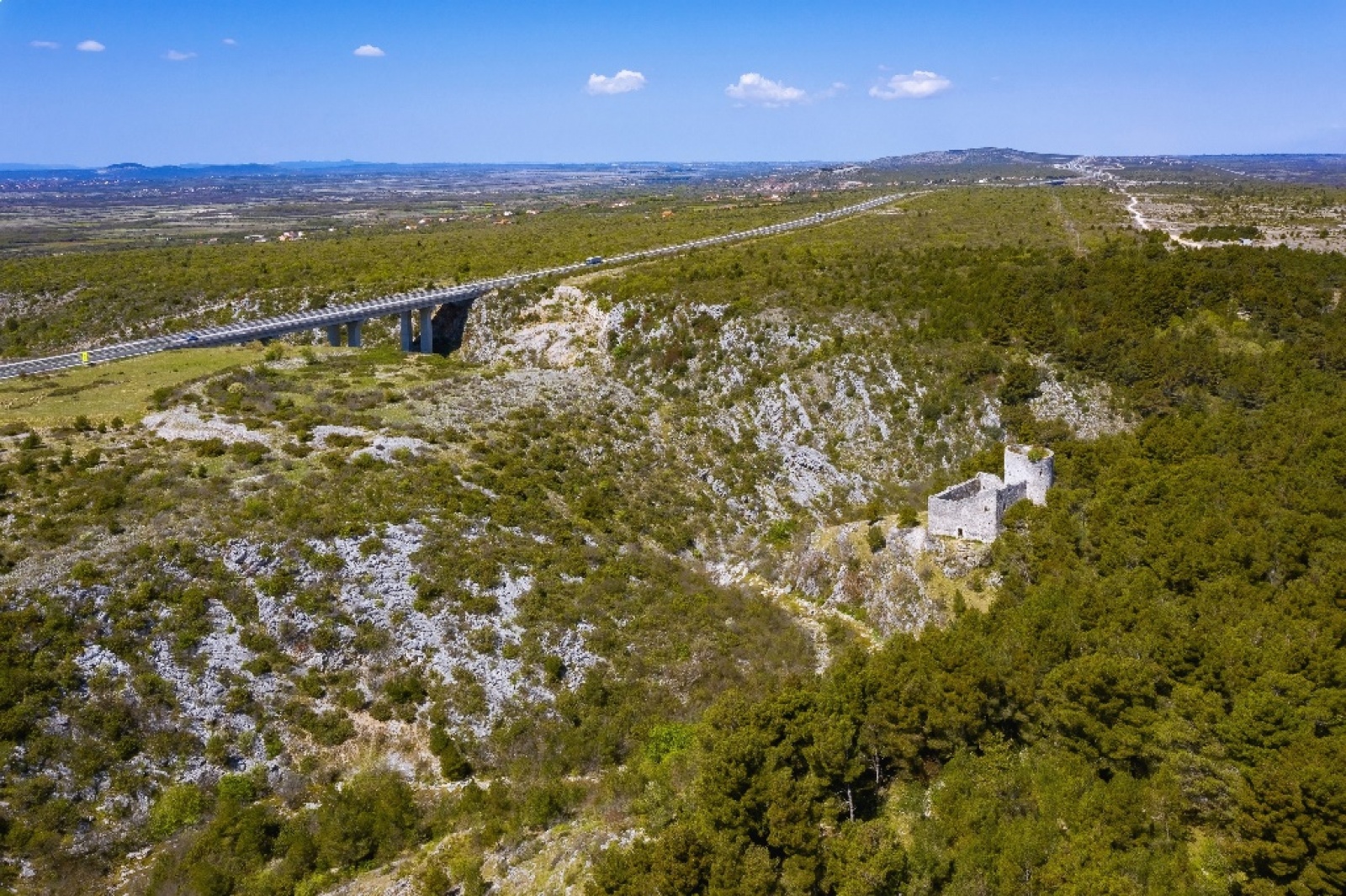


The 15th-century Croatian fortress of Kličevica was guarded by a bronze, three-barreled cannon. It was confirmed to have been constructed according to a design by the famous Leonardo da Vinci and It can be seen at the Heritage Museum Benkovac.
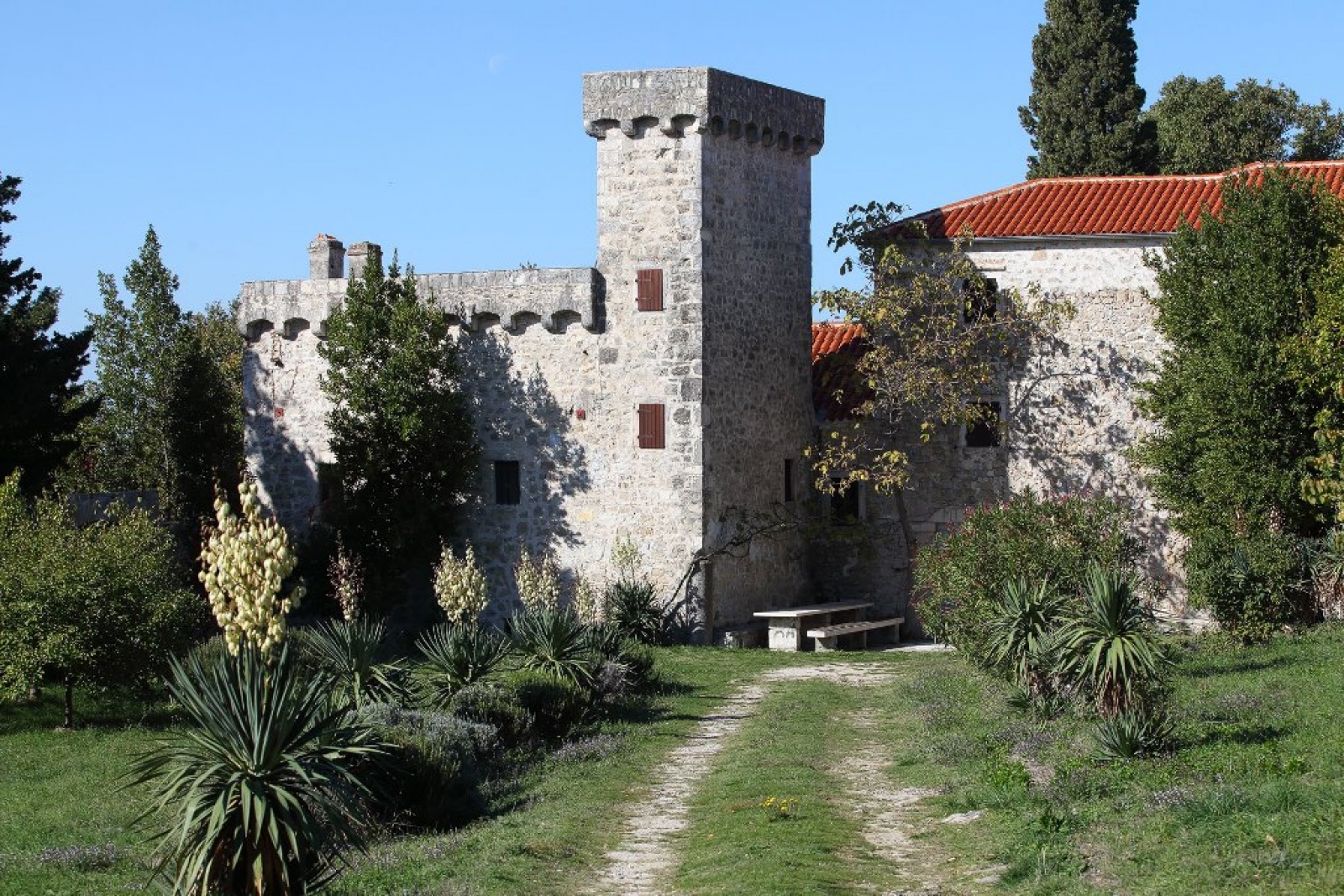
The Kličevica fortress is located near the village of Raštević, on an elevated plateau above the natural canyon of the Kličevica river. It stood right on the border between the Republic of Venice and the Kingdom of Hungary.
It was built by the noble Kurjaković family, known as the dukes of Krbava, to protect their possessions in the medieval villages of Mogorova Dubrava, Bojišta, Tihlić, and others. After Ladislaus of Naples sold Dalmatia to the Venetians in 1409 for 100,000 ducats, the Kurjaković family’s properties were in direct danger as they bordered Venetian Dalmatia.
Construction of the fortress was started by Grgur, the son of Duke Tomislav Kurjaković, in 1453. However, since it was being built near the Venetian fortress in Vrana, the Venetians tried to stop the work several times. In 1463, the Venetian authorities protested directly at the court of Matthias Corvinus, demanding a halt to the construction. The king granted their request and suspended further work on the fortress.
The Kurjakovićs, however, ignored this order and continued building in the 1470s and 1480s. The problems surrounding the construction of Kličevica best illustrate the political relations between the Croatian nobility and the Venetian authorities in the 15th century. In addition to conflicts over the fortification’s construction, the second half of the century was marked by disputes over the Morlach population, plundering, mutual violence, and the murder of subjects.
With the Ottoman advance, tensions calmed and a final cooperation was established against the common enemy, especially after the defeat of the Croatian army at Krbava in 1493. This defeat weakened the power of the dukes of Krbava in Dalmatia.
In 1527, the Kličevica fortress fell into Ottoman hands, along with other fortresses and castles in the Croatian-Hungarian region.
In the 1550 census of the Klis Sanjak, the fortress is listed as abandoned. Thanks to its isolated location, it has been preserved in its original form.
Leonardo da Vinci’s Cannon
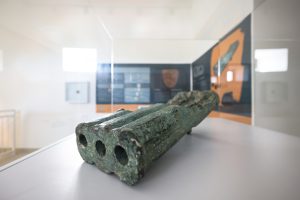
The Old Croatian fortress of Kličevica, from the 15th century, was once defended by a bronze triple-barreled cannon that has been confirmed to be constructed according to a design by the famous Leonardo da Vinci.
The Daily Mail once wrote that this is the only original in the world, continuing: “The cannon was found four decades ago by schoolchildren playing in the old fortress, and it has now finally been confirmed that the five-century-old weapon was made by the great artist and scientist.”
A drawing of the Kličevica cannon can be found in the Codex Atlanticus among Leonardo da Vinci’s drawings, which are kept in the Ambrosian Library in Milan. The codex dates between 1478 and 1519 and is a collection of sketches of Leonardo’s inventions, including weapons. The drawing shows a triple-barreled cannon which, like the one from Kličevica, has its barrels laid side-by-side and is mounted on a wooden stand with wheels.
A cannon conceived in this way was light and quite mobile. A replica of the cannon made according to this sketch is kept in the Leonardo da Vinci National Museum of Science and Technology in Milan.
Location
Benkovac
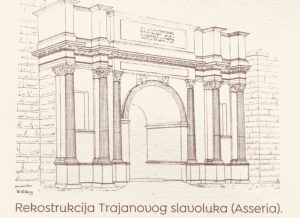
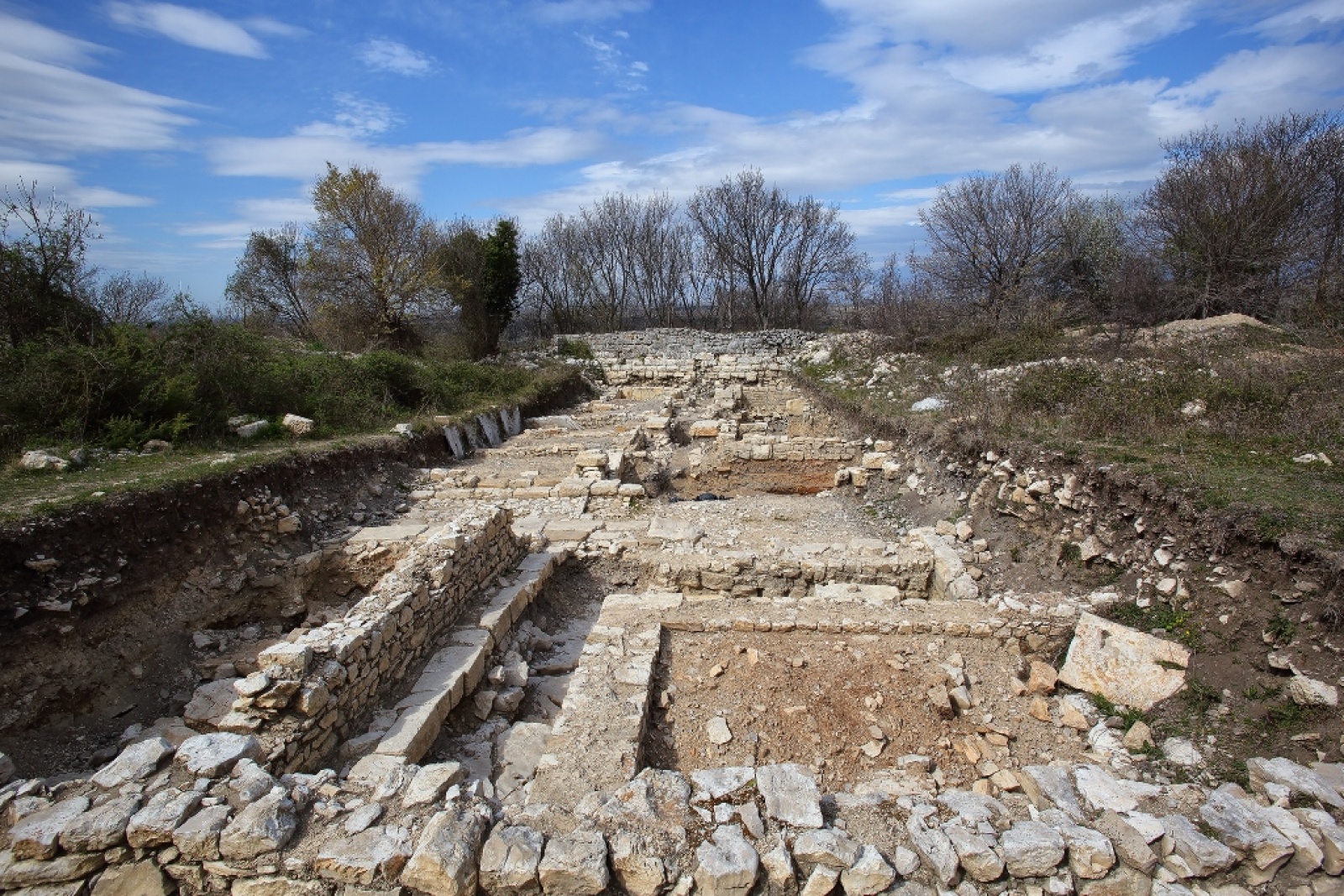
The first traces of human life in the Benkovac area were found around the village of Smilčić that belonged to the Danilo culture. Before Roman conquest the area was inhabited by the Illyrian tribe of Liburnians. During the Roman Civil war the Liburnians sided with Caesar. The Romans mention the following Liburnian settlements: Nedinum (Nadin), Carinium (Karin), Varvaria (Bribir) and Asseria (Podgrađe). In 7th century the area was settled by Croats. The area of Benkovac was at the crossroads of four Croatian župas – Novljanska, Sidraška, Bribirska and Karinska. Near the village of Šopot, an inscription from the 9th century was found that mentions Branimir as a Croatian Duke.
Explore









Reviews
There are no reviews yet.