Croatia
Croatia is diverse: from the continental part with large rivers to the beautiful Adriatic coast with thousands of islands. The rich history, culture, and nature make Croatia an interesting destination to live and visit.
It is located in Central and Southeastern Europe, and it is also part of the Balkan Peninsula. In the past, it has been exposed to Central European, Mediterranean, and Turkish influences.
It was one of the republics of the Socialist Federal Republic of Yugoslavia. It gained independence in 1991 and joined the European Union on 1 July 2013.
- Capital: Zagreb
- Official EU language(s): Croatian
- EU Member State: since 1 July 2013
- Currency: euro (€)
- Euro area: member since 1 January 2023
- Schengen: member since 1 January 2023
- Figures:
- Geographical size: 56 594 km2
- Population: 3 861 967 (2024)
Political system: Croatia is a parliamentary republic with a prime minister who is the head of government and a president who is the head of state. The government structure is based on the separation of legislative, executive, and judicial powers. The Parliament holds legislative power and also controls the executive branch. Its members are elected for 4 years.
Croatia's economy is largely service-oriented, with tourism in particular accounting for a significant share of GDP. This is similar to the structure of the economies of most European Union countries.
Tourism is the most important economic branch; every year, it attracts millions of tourists. Croatia has a developed tourist infrastructure, especially the road network, which facilitates connections with other EU countries, especially Germany, Italy, Slovenia, Austria, and Hungary.
Industry, although less represented than services, also plays an important role. The most significant are the food industry, petrochemicals, and metal processing.
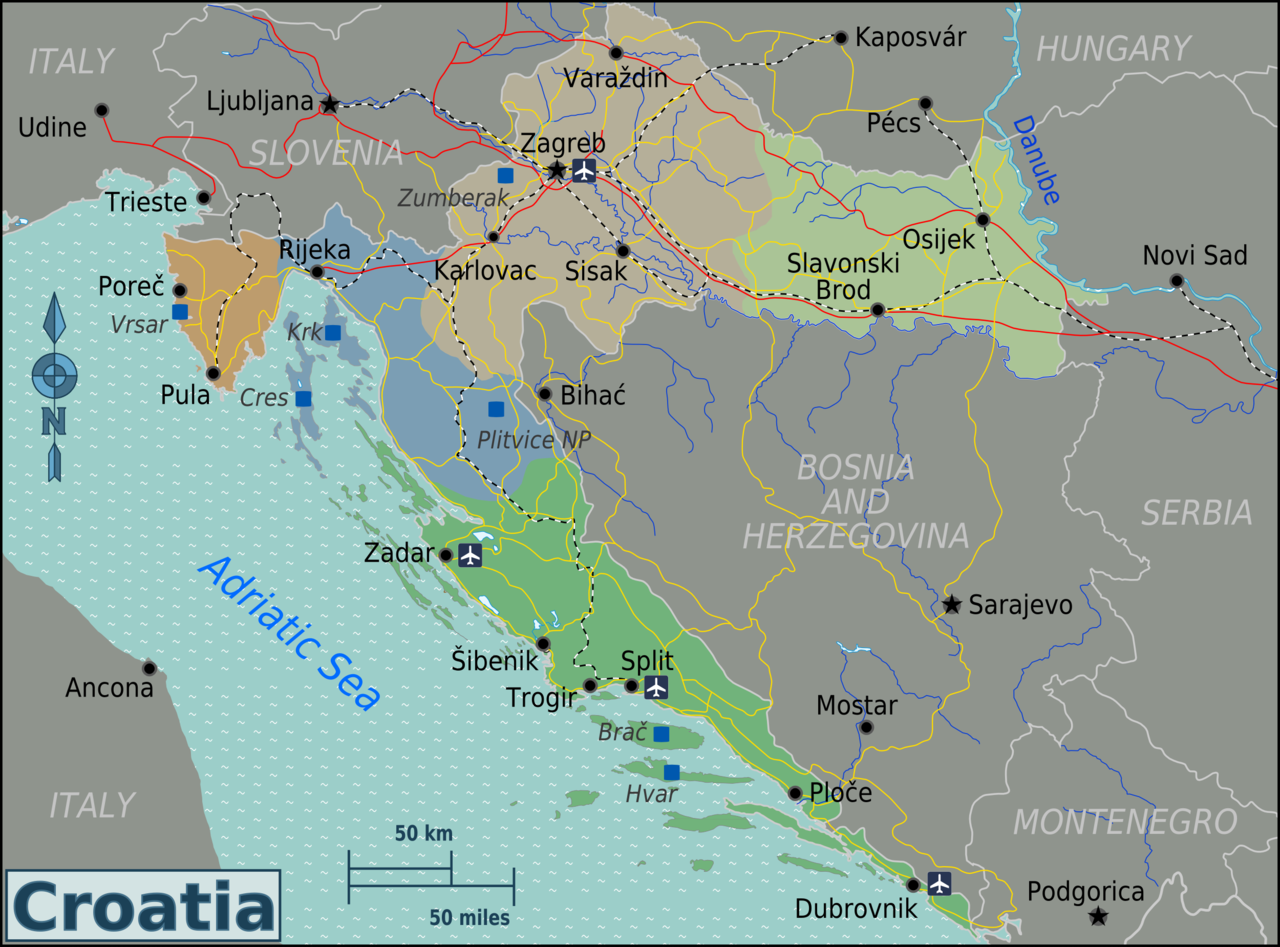
Geographical position: As a country on the Danube and the Adriatic, it has a favorable geo-traffic position at the intersection of important European transport routes, and its ports are an outlet to the sea for the northern neighboring countries.
It is an exceptionally diverse country in terms of relief and climate. Its territory simultaneously encompasses vast lowlands in the continental part between the Drava and Sava rivers (Slavonia), real mountainous regions in the central part (Lika and Gorski Kotar), and in the western and southern parts a long, indented and sunny coast with more than 1,000 islands (Istria, Kvarner, Dalmatia).
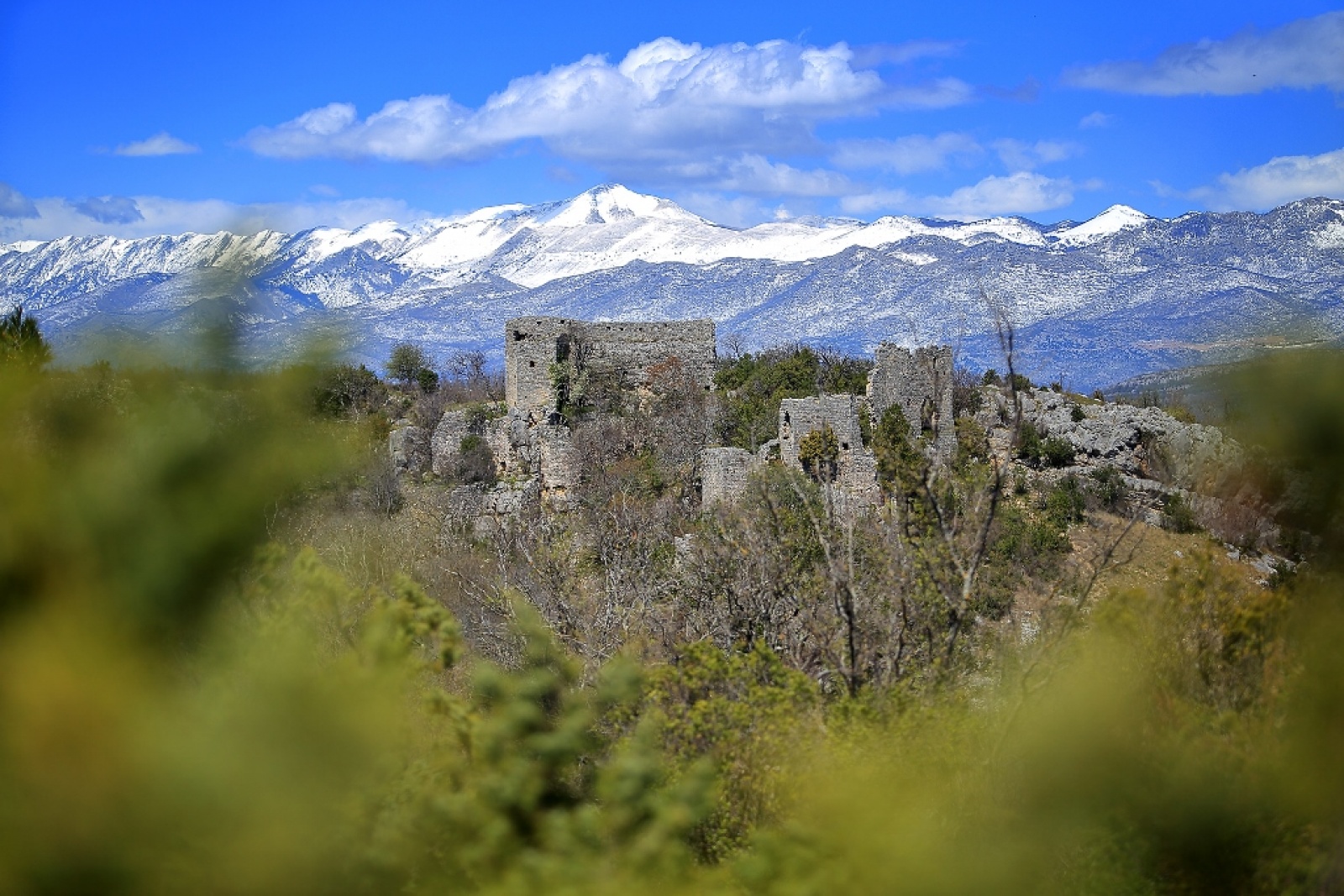
It has preserved nature with hundreds of endemic plant and animal species, and almost 10% of its territory is protected by 12 nature parks, 8 national parks, and two strict reserves.
Climate: It is located in the temperate climate zone around the 45th parallel. A temperate climate with four distinct seasons prevails.
The continental part has a temperate continental climate with summers that are often very hot. Average temperatures: January -10°C (14°F) to 5°C (41°F); August 19°C (66°F) to 39°C (102°F).
The mountainous areas at the highest altitudes have a cooler climate similar to the Alpine climate and have the most precipitation.
The coastal area has a Mediterranean climate that is warmer on average, but also more even throughout the year, and is not otherwise marked by prolonged extreme heat. Average temperature: January 6°C (43 °F) to 11°C (52 °F); August 21°C (70°F) to 39°C (102°F). The reason temperature changes are moderated by the Adriatic Sea. However, the area is not immune to heat waves that can cause forest fires; firefighters manage these and rarely cause significant damage to populated areas. In parts of coastal areas, a dry and cold wind called the bora blows from the mountains. It is uncomfortably cold in winter and refreshing in summer, as it brings to the coast high-quality mountain air.
Population: About 60% of Croatia's population lives in urban areas. It is less than 15% of the country's surface area. One in five inhabitants lives in the capital, Zagreb. A quarter of Croatia's population is over 65 years old, and only about 14% are under 15.
Croats make up more than 90% of the population. By religion, the most represented are Roman Catholics (78.97%), Orthodox Christians (3.32%), mainly Serbs, the largest national minority, Muslims (1.32%), and Protestants (0.26%).
Croatia's history stretches from its medieval beginnings to its current status as a modern European state. Over the centuries, it has experienced periods of independence, unions with other states, and struggles to preserve its identity.
Middle Ages:
- 9th century - Establishment of Croatian principalities in the border areas of the Carolingian Empire.
- 925. - Foundation of the Kingdom of Croatia under King Tomislav.
- 1102. - Beginning of personal union with Hungary.
Habsburg Monarchy:
- 16th century - Ottoman conquests and election of Ferdinand of Habsburg as Croatian king.
- 17th and 18th centuries - Continuous wars with the Ottomans and the Venetian Republic.
- Republic of Ragusa - Development of free trade in the Mediterranean.
19th century:
- 1848. Croatian national revival and short-lived unification of Croatian lands.
20th century:
- 1918. Croatia became part of the Kingdom of Yugoslavia.
- 1945. Croatia became one of the republics of the Socialist Federal Republic of Yugoslavia.
- 1991. Croatia declares independence.
- 1991-1995. The Croatian War of Independence and defense against Serbian aggression.
Modernity:
- 1992. - Membership in the United Nations.
- 2009. - Membership in NATO.
- 2013. - Membership in the European Union.
- 2023. - Entry into the Schengen area and the Eurozone.
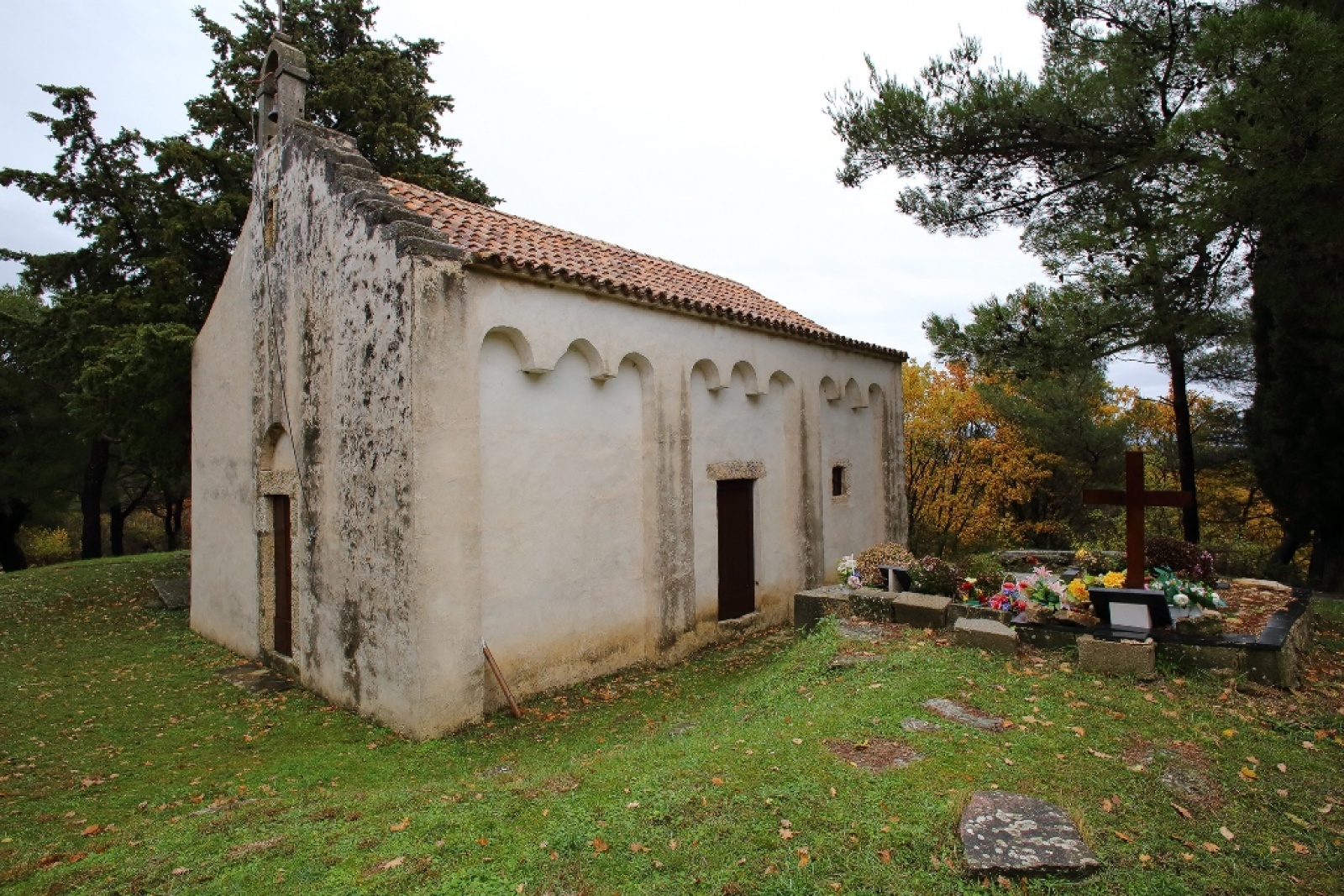
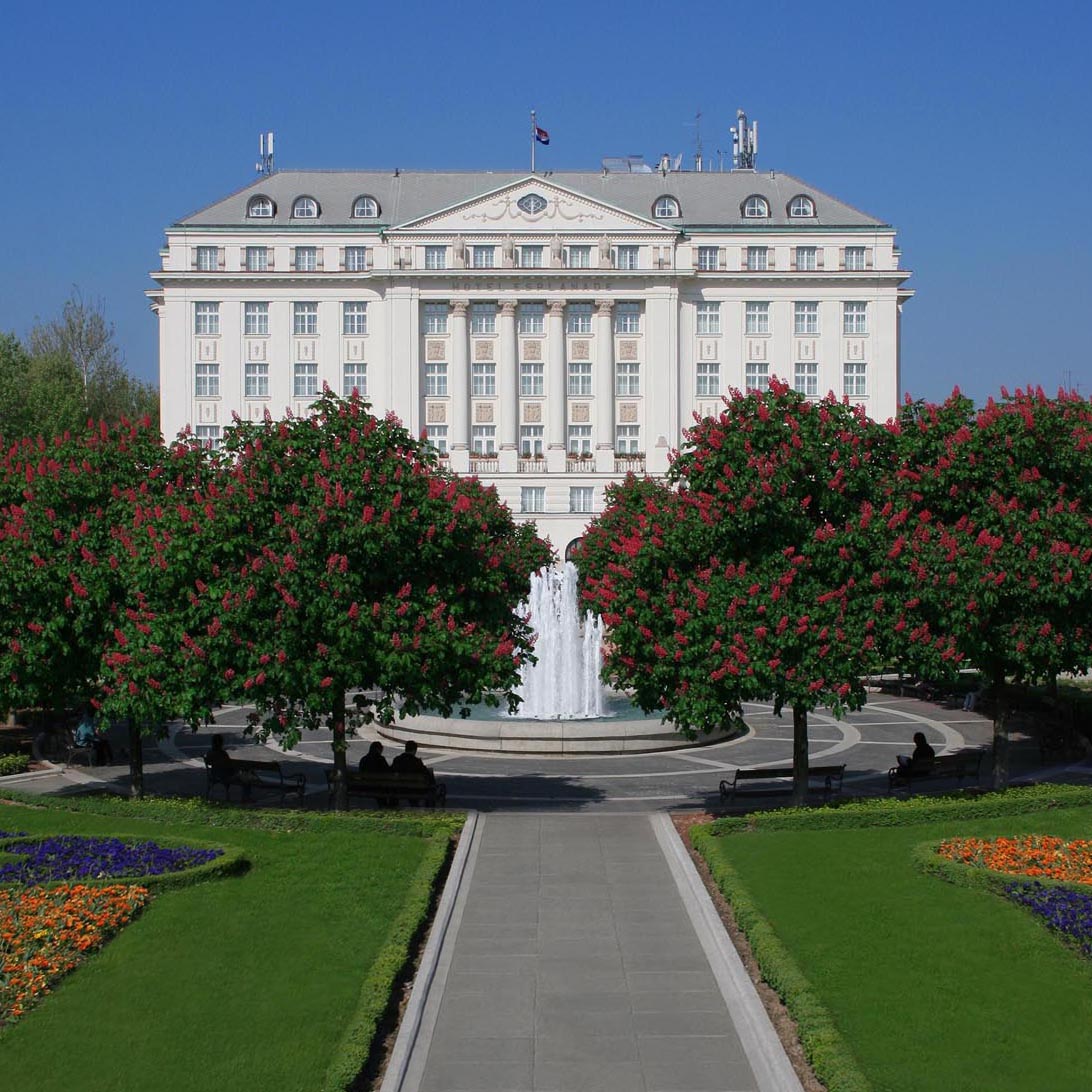
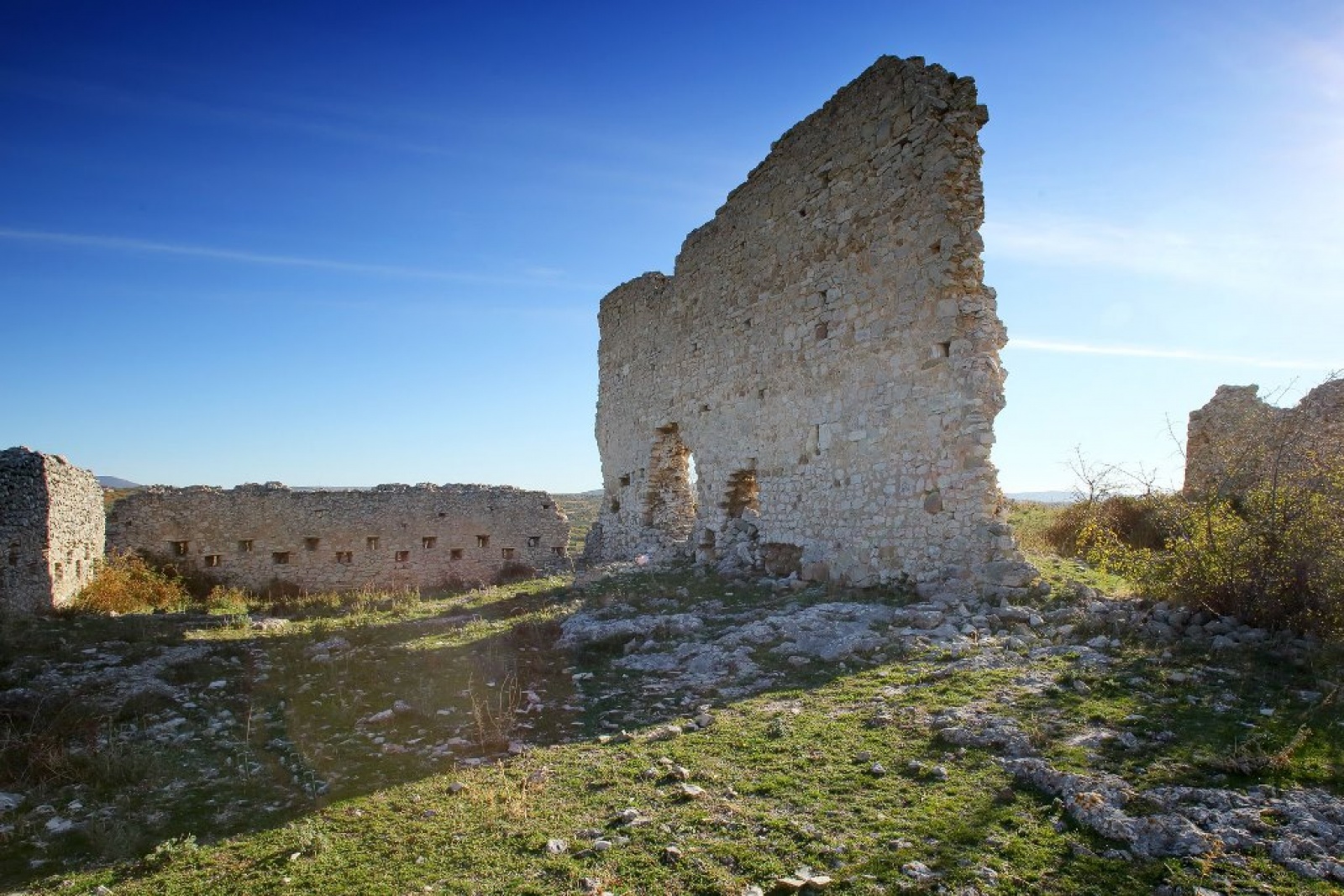
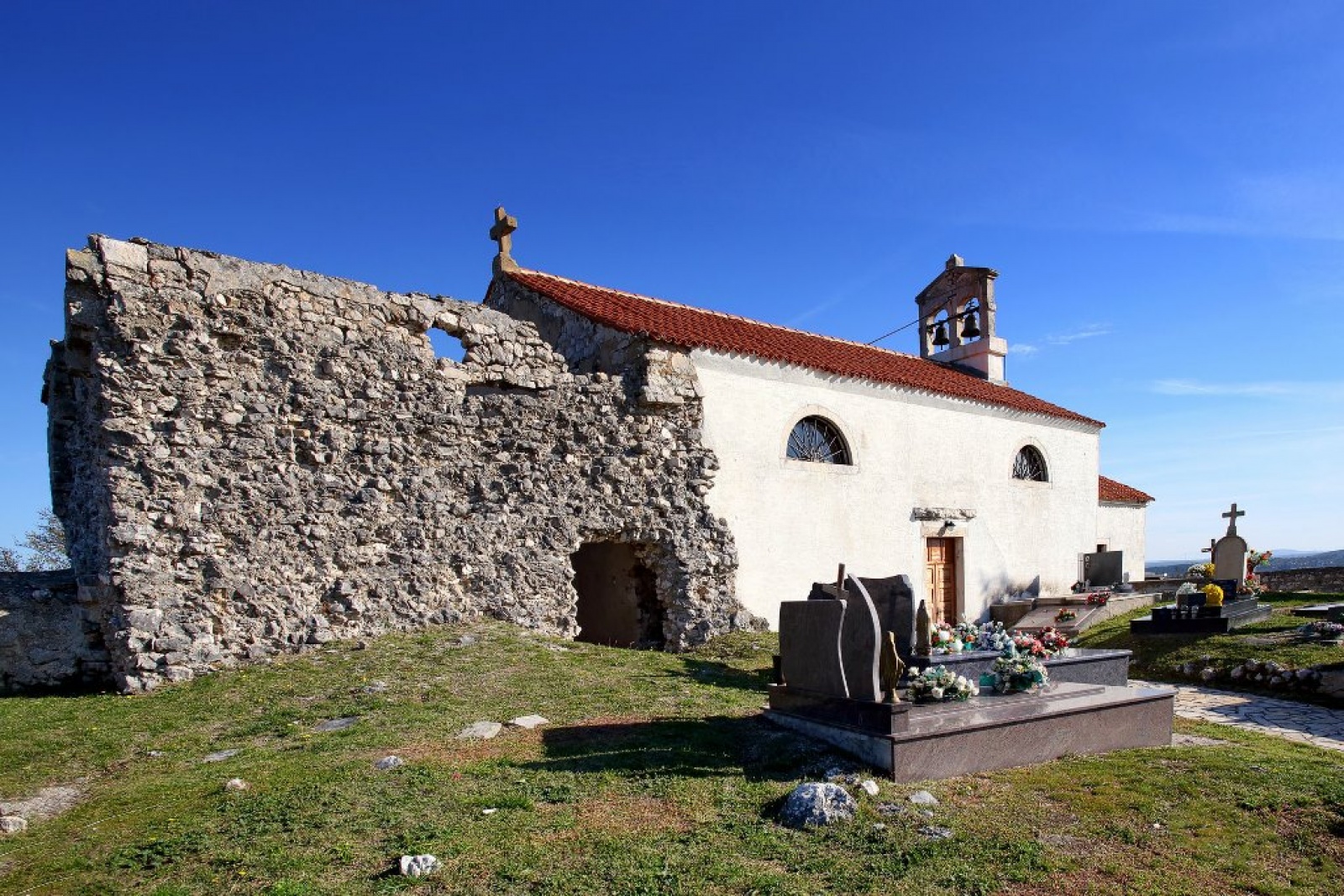
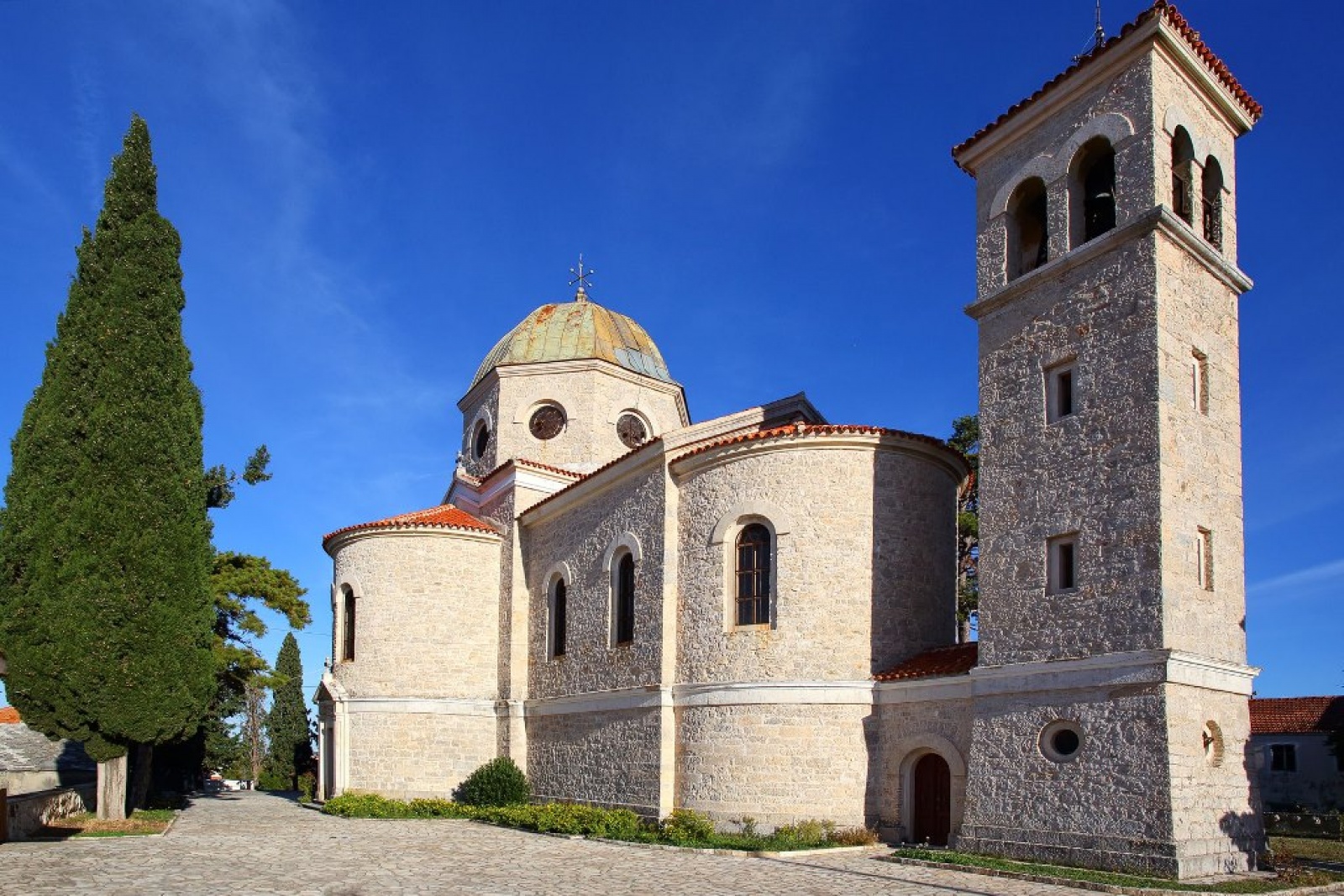
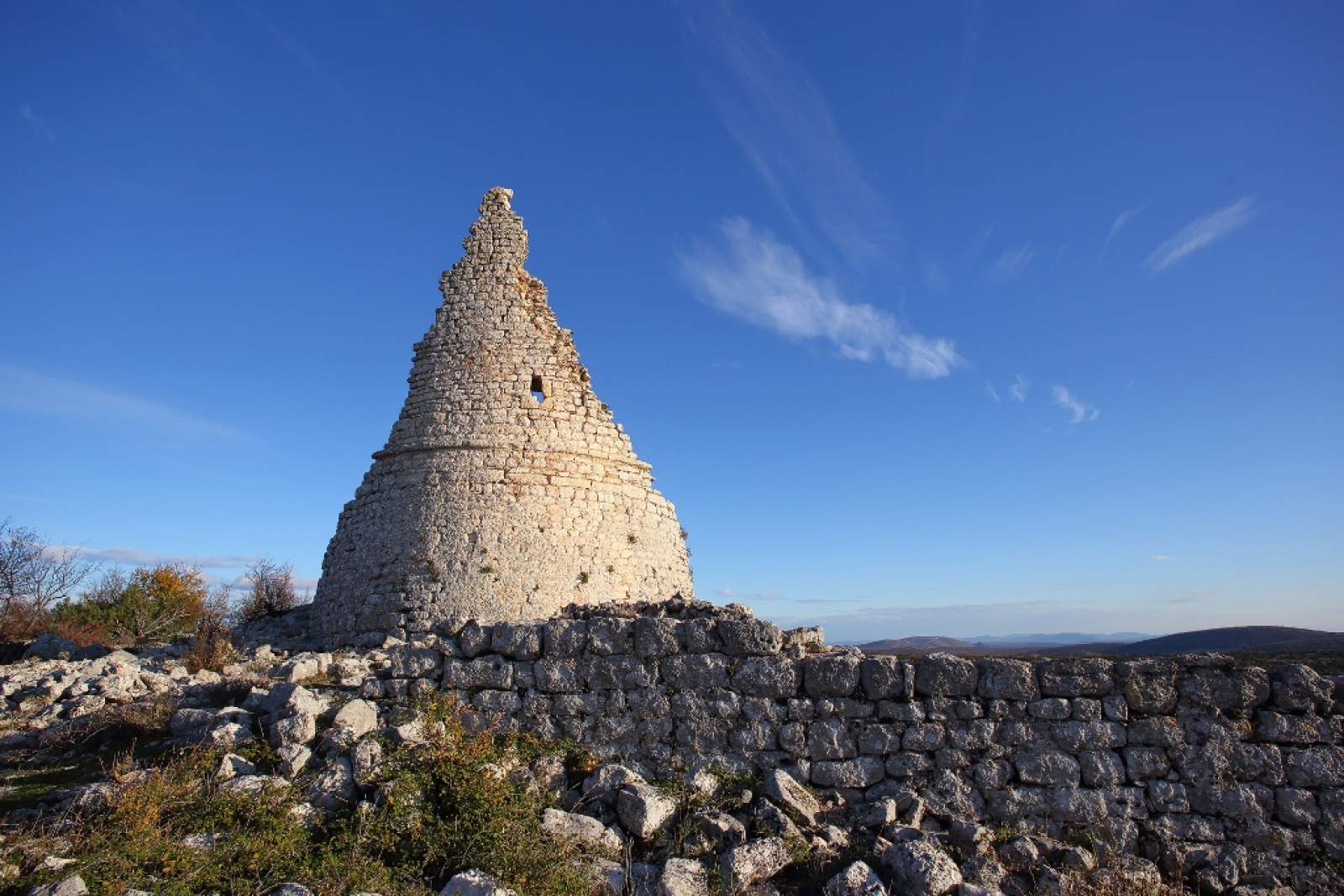
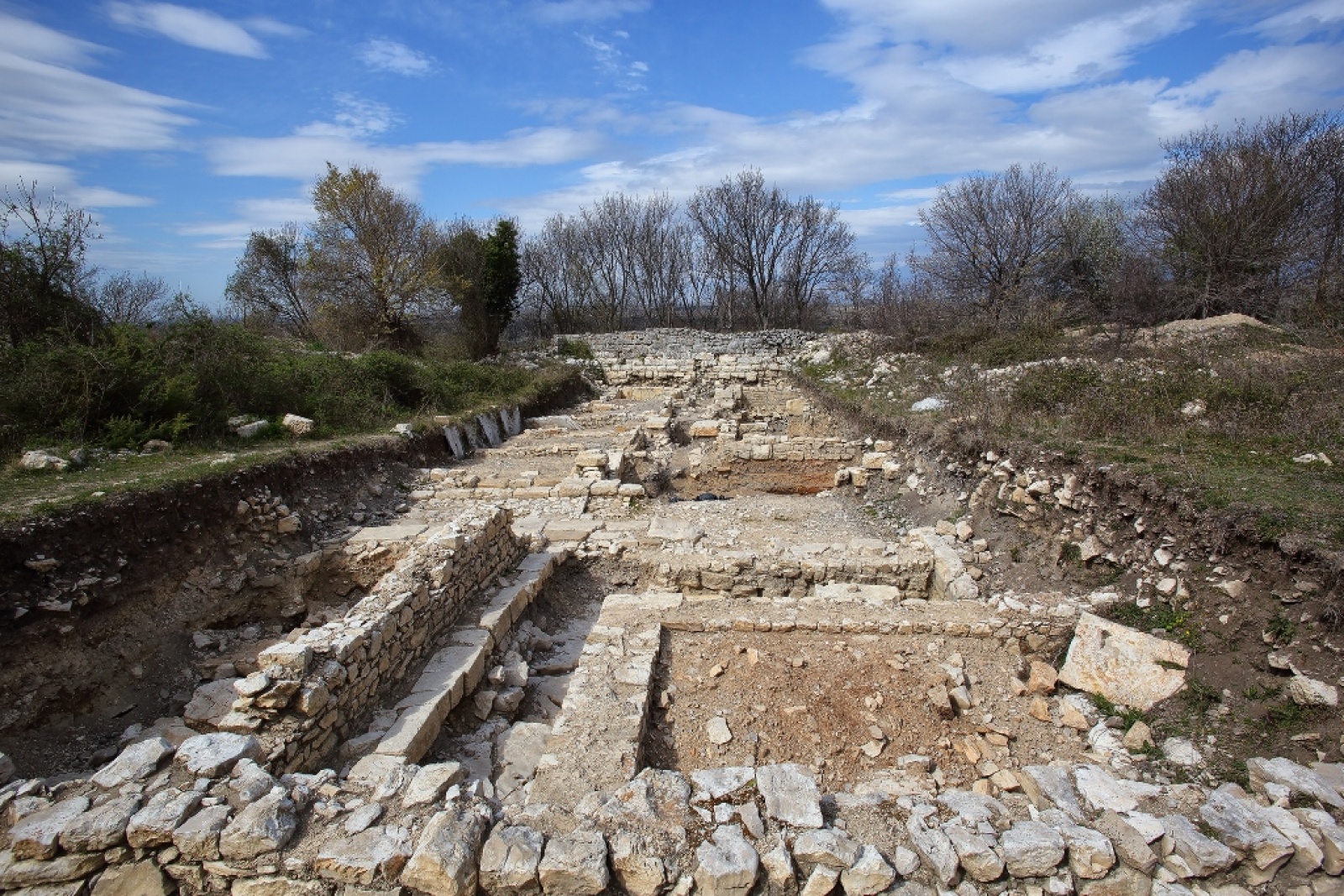
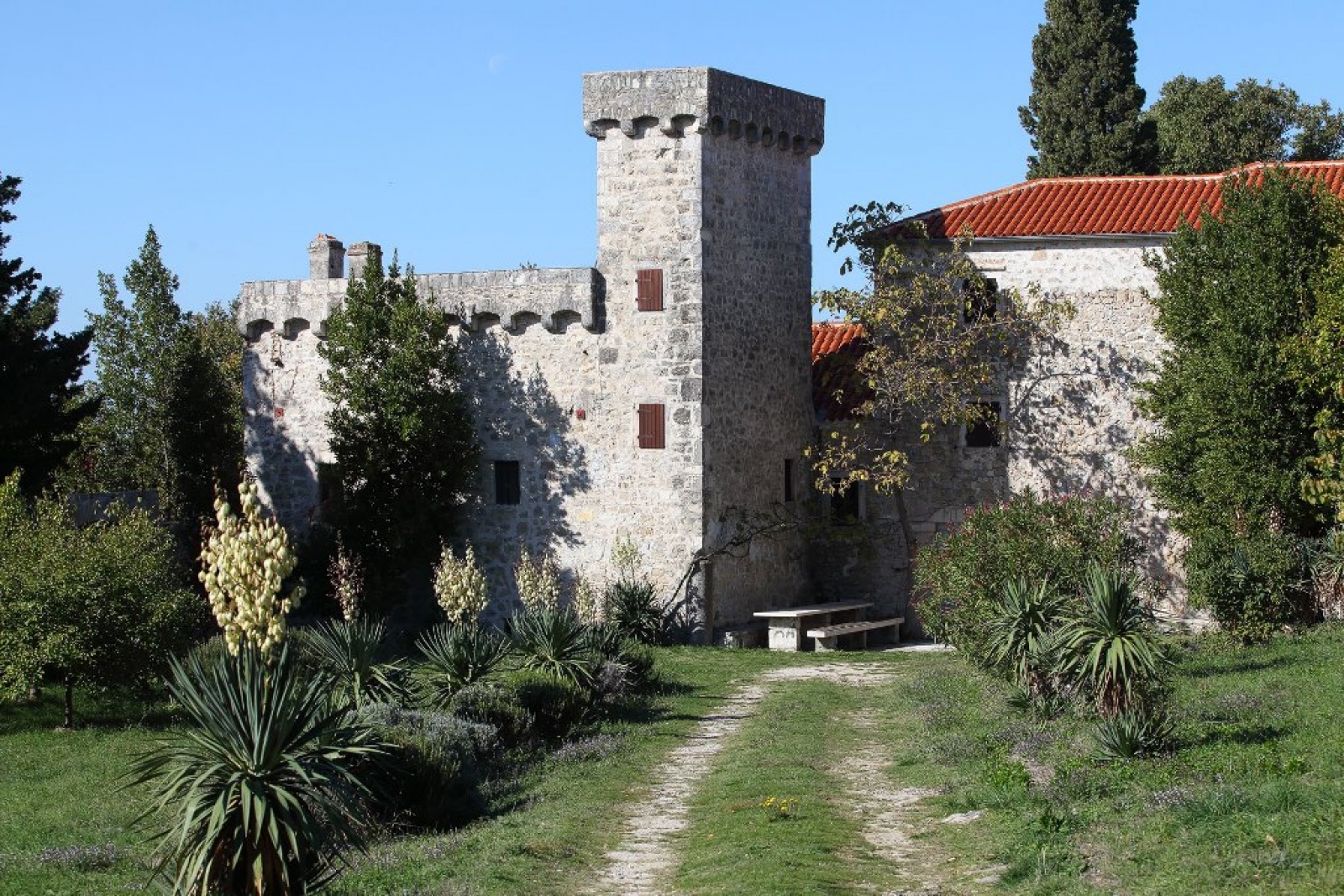
Culture: Located at the crossroads of Central Europe, the Mediterranean, and the Ottoman Empire, it has been a meeting place for different civilizations for centuries. This rich heritage is reflected in numerous monuments under UNESCO protection, from ancient ruins to Renaissance palaces.
Throughout history, Croatia has produced numerous artists and thinkers, from Marulić, considered the father of Croatian literature, to sculptor Juraj Dalmatinac and composer Luka Sorkočević, writer Ivana Brlić-Mažuranić, and sculptor Ivan Meštrović.
Even today, Croatian artists leave a significant mark on the world stage. Oscar-winning director Branko Lustig and pianist Ivo Pogorelić are some of the contemporary examples of Croatian creativity.
Society: Croatia is characterized by a rich tradition and a way of life deeply rooted in community. This is reflected in numerous aspects of life, from traditional customs and folk costumes to a developed cultural heritage and rich gastronomy.
Croatian cuisine is known for its regional diversity and is distinguished by its top-quality olive oil and indigenous wine varieties.
Sport has an important place in Croatian society. Numerous successful athletes, such as Dražen Petrović, Goran Ivanišević, Janica and Ivica Kostelić, and footballers Davor Šuker and Luka Modrić, have become recognizable ambassadors of Croatia in the world.
Sources: Eurostat - figures for geographical size and population, croatia.eu, wikipedia, wikivoyage
Showing all 203 results