
Maškovića Han on Vrana Lake

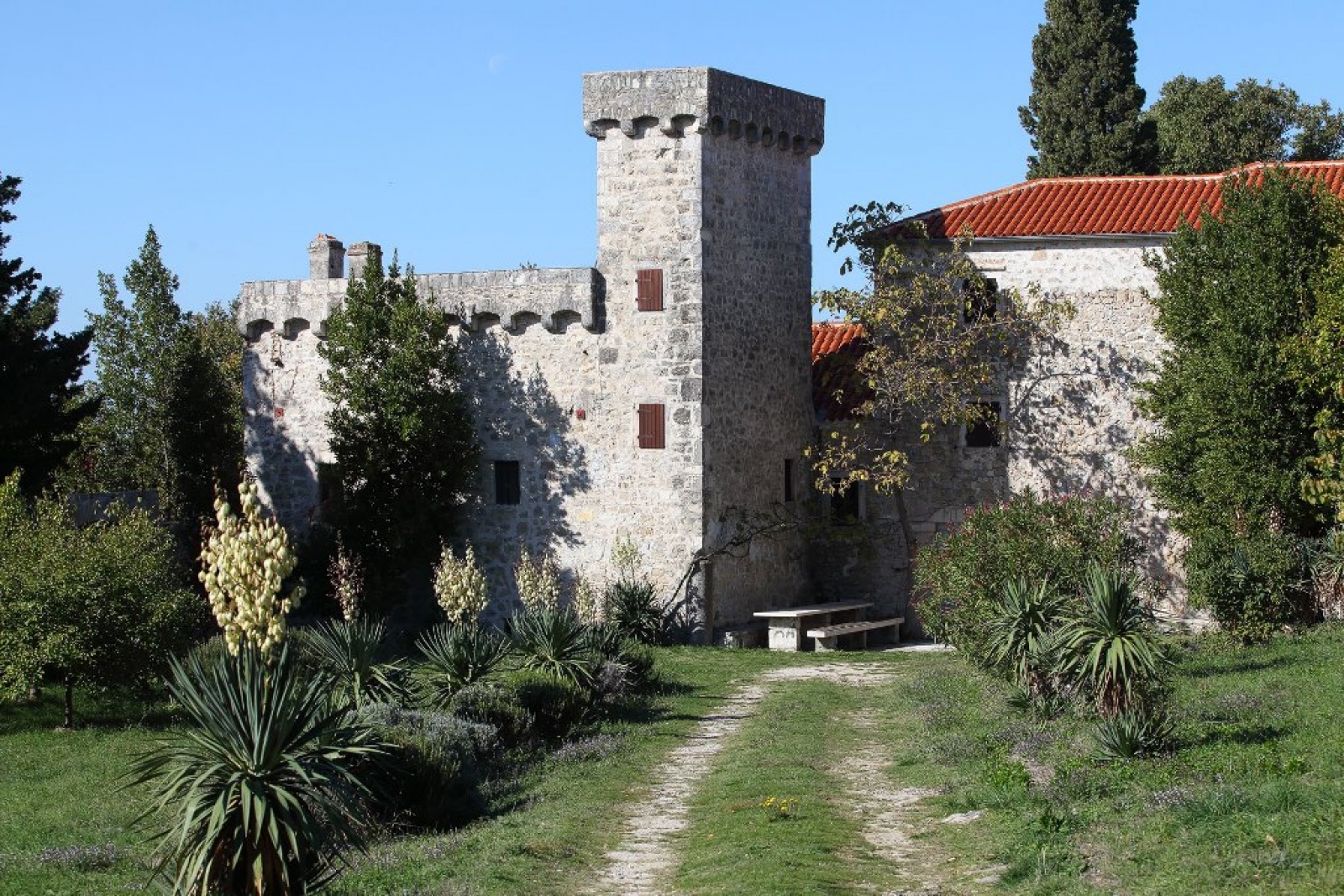
It is the biggest monument of the Turkish building in Croatia and the most western building of the Ottoman architecture on the territory of the former Ottoman Empire.
Construction of the Maškovića Han started in 1644 following the order and with means of Jusuf Mašković from old town Vrana, a high dignitary and an Admiral-in-Chief of the Ottoman fleet.
The Han (inn*) was supposed to be a summer residence of Maškovic himself on his return from Istanbul to his homeland. It was designed as a luxurious, monumental, and modern building with all the necessary comfort, including the Turkish bath hamam. A significant amount of money was invested into the construction and there were 500 workers daily.
Mašković conquered Crete in 1645 with 60 000 warriors and showed his generosity toward the imprisoned Venetian soldiers and citizens, which made him one of the most respectable warriors of all time, but which also made the Sultan furious so he called him to the court and executed him.
Mašković’s tragic destiny left a trace on the Han, which wasn’t finished as originally designed, but in a much more modest way.
It was renovated recently with the European Union fundings so today it fulfills its original purpose with 14 rooms, 2 apartments, a reception, a restaurant, a souvenir shop, an administrative building, a museum, and wellness.
Museum
Within the building there is a museum with a permanent exhibition of objects found in the area of Pakoštan and Vrana.
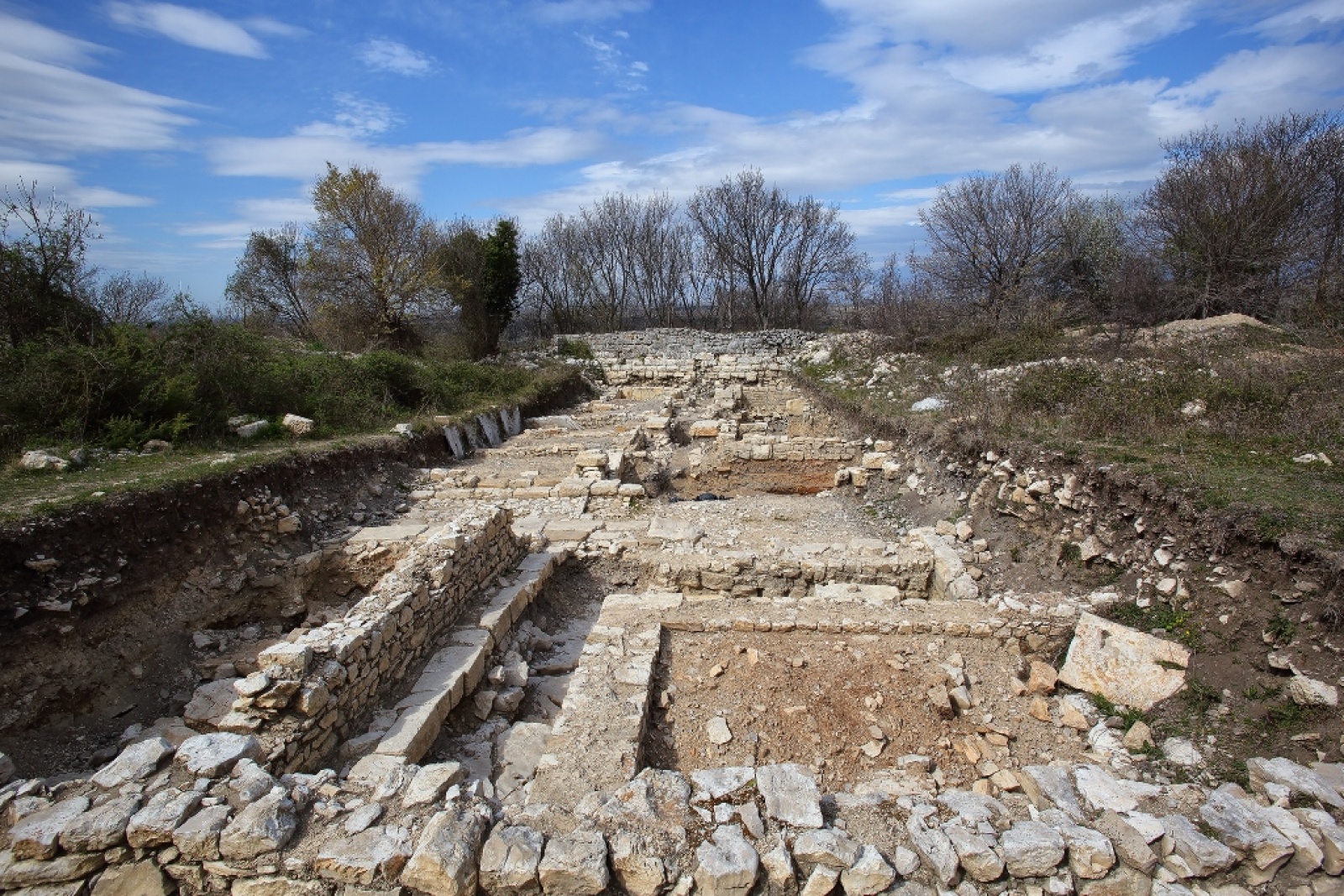
Most of the artefacts were found during underwater archaeological research in today’s Pakoštan port.
- The collection begins with prehistoric artefacts, followed by an antique collection that is also the most numerous. It has various objects of everyday use from numerous bowls and glasses to oil lamps.
- The collection from the Middle Ages and more modern times includes many different jewels found in the archaeological site of Crkvina near Vransko Lake.
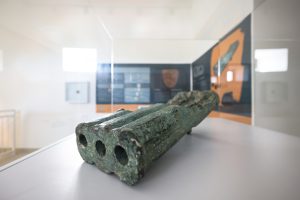
- There are also numerous pottery fragments along with money as a fundamental trading system. From the Turkish period, the more prominent are the portions of tombstones and cannonballs that were found in Han during renovation.
Apart from the exhibition of these objects, it also offers expert guidance and education for visitors on the initial idea and the creation of Han Mašković as well as other historical attractions of Vrana.
Location
Benkovac
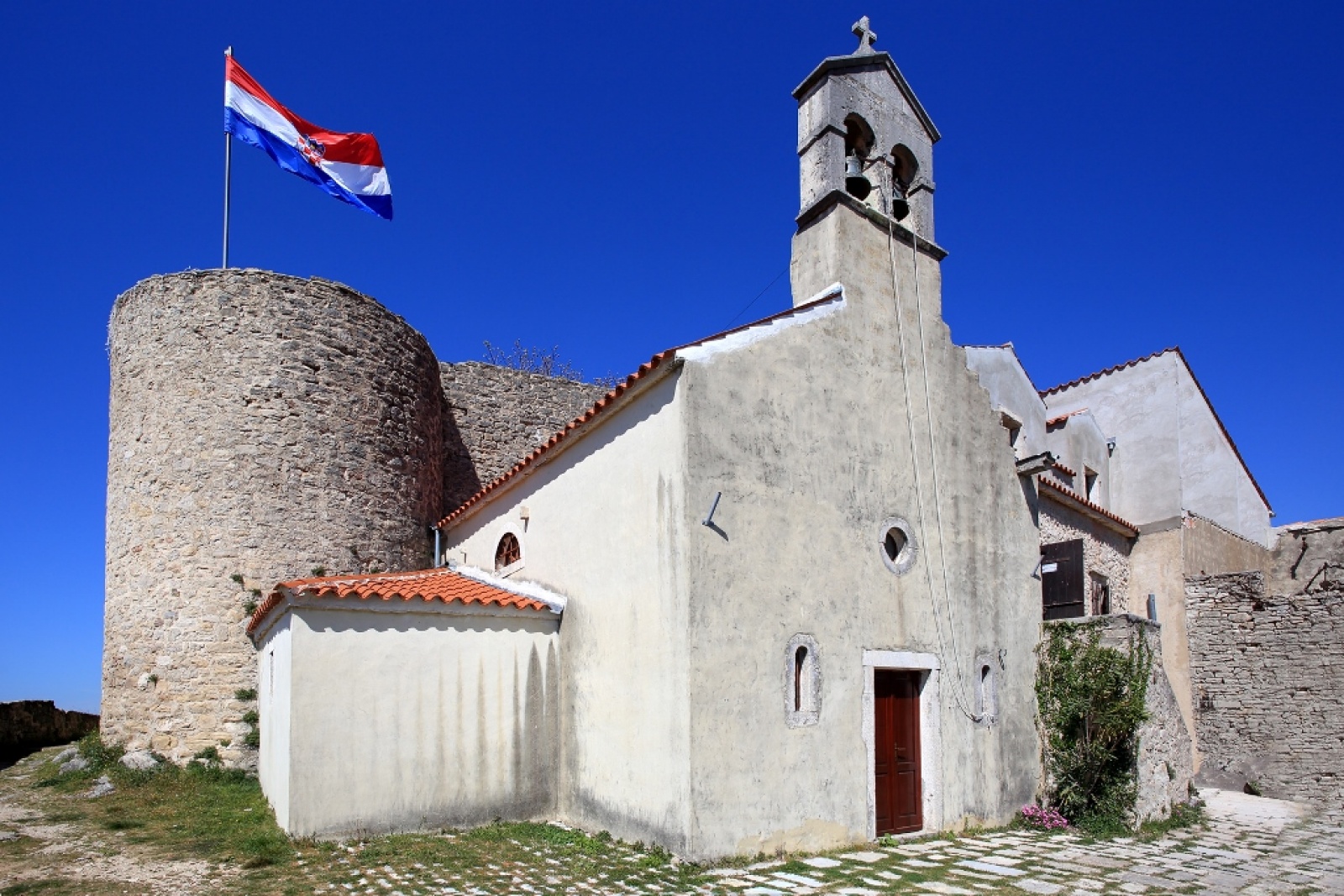
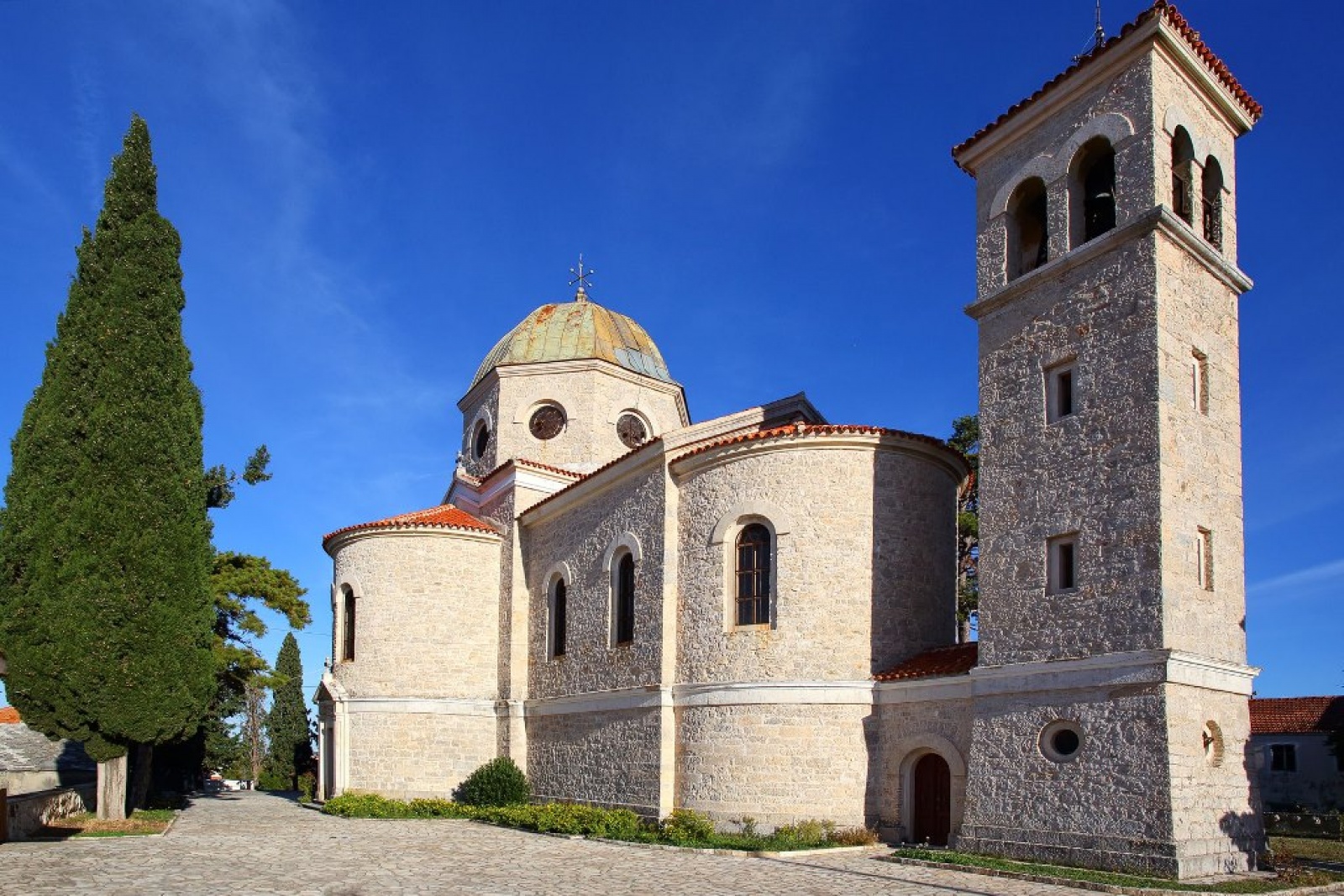
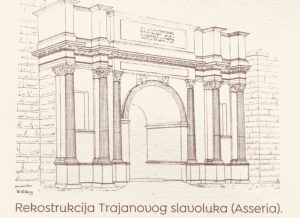
The first traces of human life in the Benkovac area were found around the village of Smilčić that belonged to the Danilo culture. Before Roman conquest the area was inhabited by the Illyrian tribe of Liburnians. During the Roman Civil war the Liburnians sided with Caesar. The Romans mention the following Liburnian settlements: Nedinum (Nadin), Carinium (Karin), Varvaria (Bribir) and Asseria (Podgrađe). In 7th century the area was settled by Croats. The area of Benkovac was at the crossroads of four Croatian župas – Novljanska, Sidraška, Bribirska and Karinska. Near the village of Šopot, an inscription from the 9th century was found that mentions Branimir as a Croatian Duke.
Explore








Reviews
There are no reviews yet.