Zagreb

Zagreb is the capital and largest city of Croatia. It is situated on the slopes of Medvednica mountain, in the Carpathian Basin, and on the banks of the Sava river. Zagreb has a rich and diverse history, culture, and architecture that reflect its long and turbulent past.
The City of Zagreb is not part of Zagreb County. As the capital of the Republic of Croatia, it is a special and unique territorial and administrative entity whose position, scope, and organization are regulated by the Law on the City of Zagreb. The City of Zagreb is a local self-government unit that also has the position of a regional self-government unit-county.
The City of Zagreb is surrounded by Zagreb County, why the county is often nicknamed ‘Zagreb ring’, and borders Krapina-Zagorje County on the north.
Zagreb’s history dates back to the Middle Ages. But a lot of centuries before Romans had built a settlement called Andautonia in present-day Ščitarjevo near Zagreb. The name “Zagreb” was first used in 1094, when Ladislaus I of Hungary founded the Zagreb diocese in Kaptol after the Slavs had arrived in the area. Zagreb became a free royal city in 1242, and the capital of Croatia in 1845. Zagreb was also the scene of many important events in Croatian history, such as the Croatian National Revival, the Illyrian movement, the Croatian Spring, and the Croatian War of Independence.
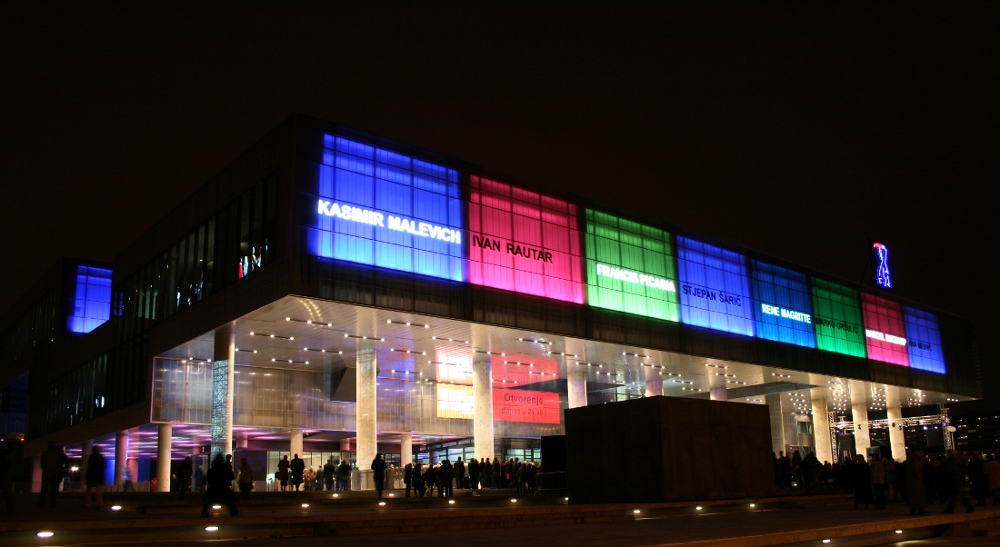
Zagreb’s culture is influenced by its location at the crossroads of Central Europe, the Mediterranean and Southeast Europe. Zagreb is the seat of the Croatian Academy of Sciences and Arts and of the University of Zagreb, the largest Croatian university and one of the oldest continuously operating universities in Europe, founded in 1669. Zagreb has many museums, galleries, theatres, and festivals that showcase its artistic and intellectual heritage. Some of the most notable cultural institutions are the Croatian National Theatre, the Museum of Contemporary Art, the Mimara Museum, and the Zagreb Film Festival.
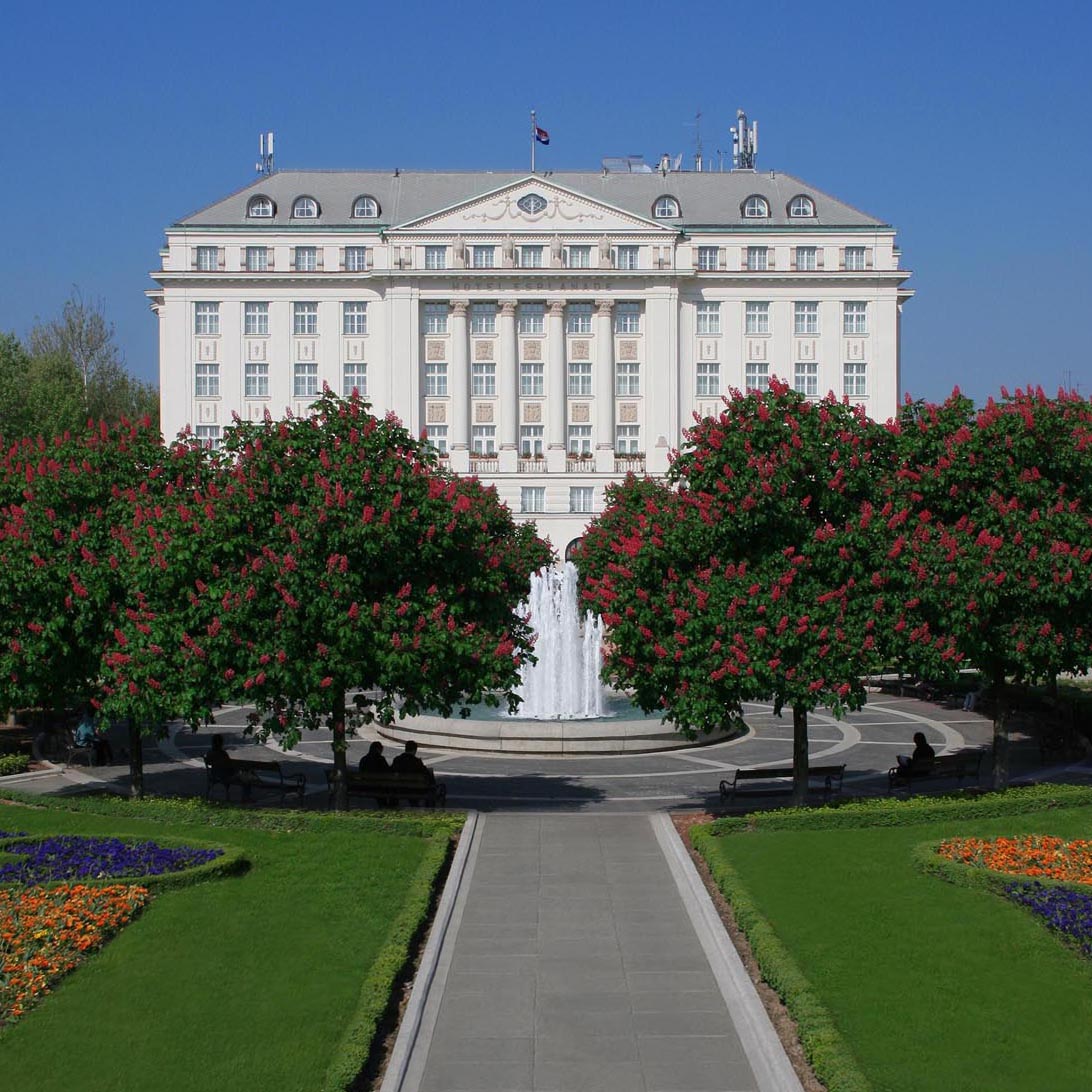
Zagreb’s architecture is a blend of different styles and periods, from the medieval to the modern. Zagreb’s old town consists of two settlements on neighboring hills: Gradec, the civil settlement, and Kaptol, the ecclesiastical settlement.

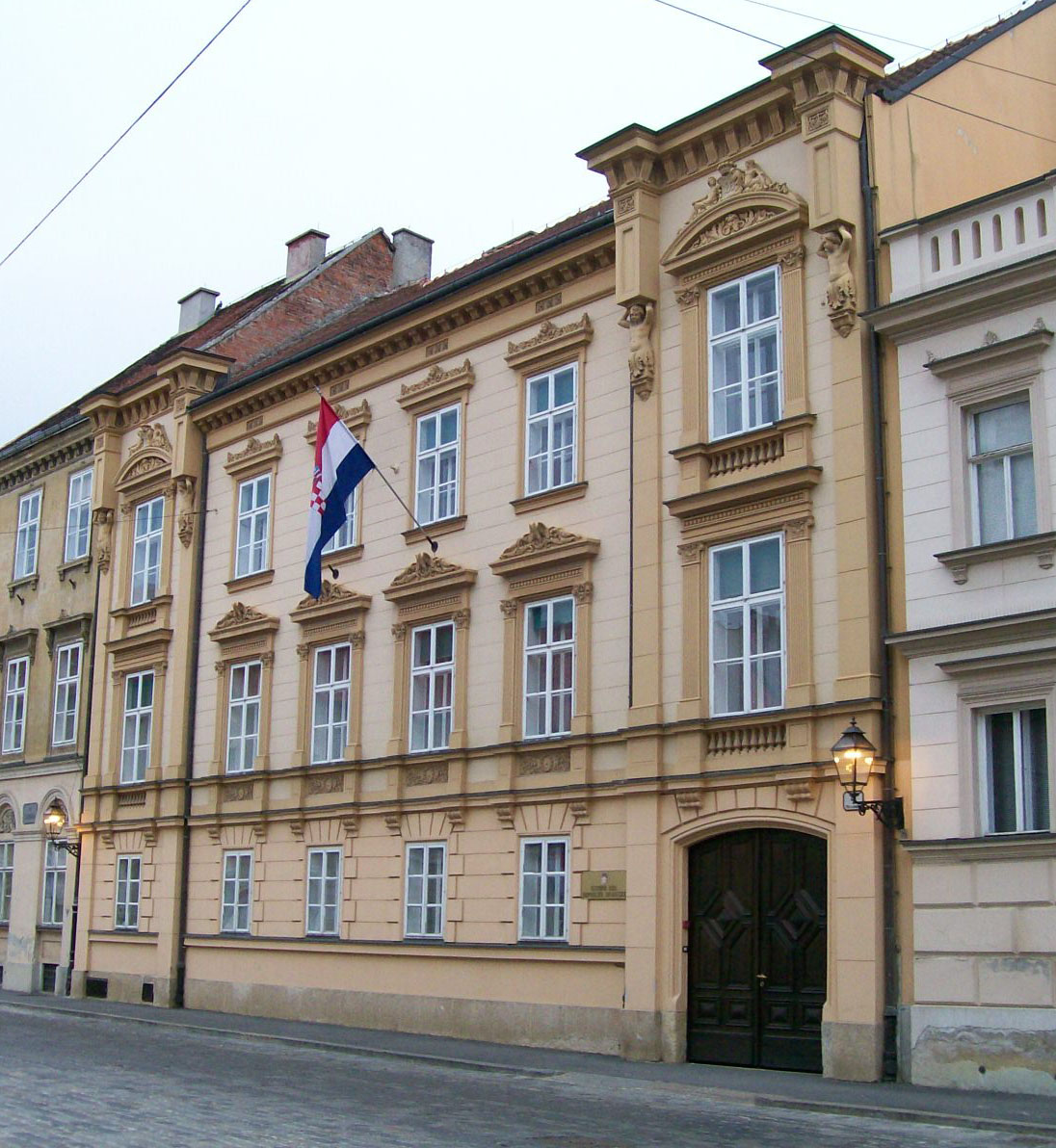
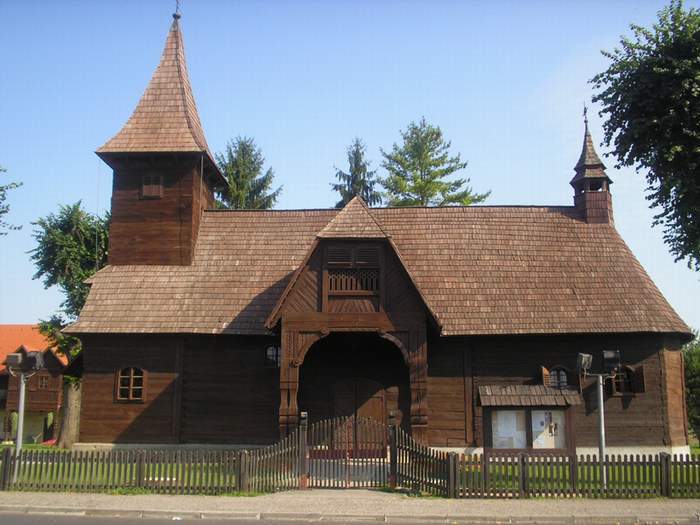
These two towns were rivals until the 19th century when they were joined by a series of new buildings and squares on the Sava floodplain. Zagreb’s old town is characterized by its Gothic, Baroque, and Neoclassical buildings, such as the Church of St. Mark, Zagreb Cathedral, and the Croatian State Archive. Zagreb also has many examples of Art Nouveau, Functionalism, Bauhaus, and Brutalism, such as the Kallina House, the Novakova Street, and the Mamutica building. Zagreb’s architecture reflects its diverse and dynamic character, as well as its historical and cultural identity.
Sources: Wikipedia
Showing all 86 results