
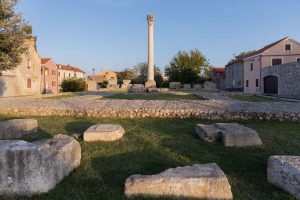
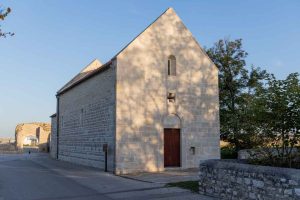
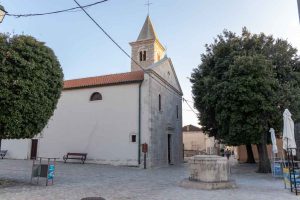
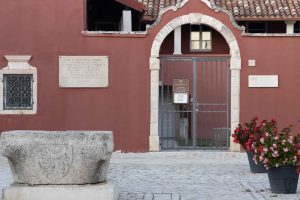
Remains of the Roman city of Nedinum in Nadin
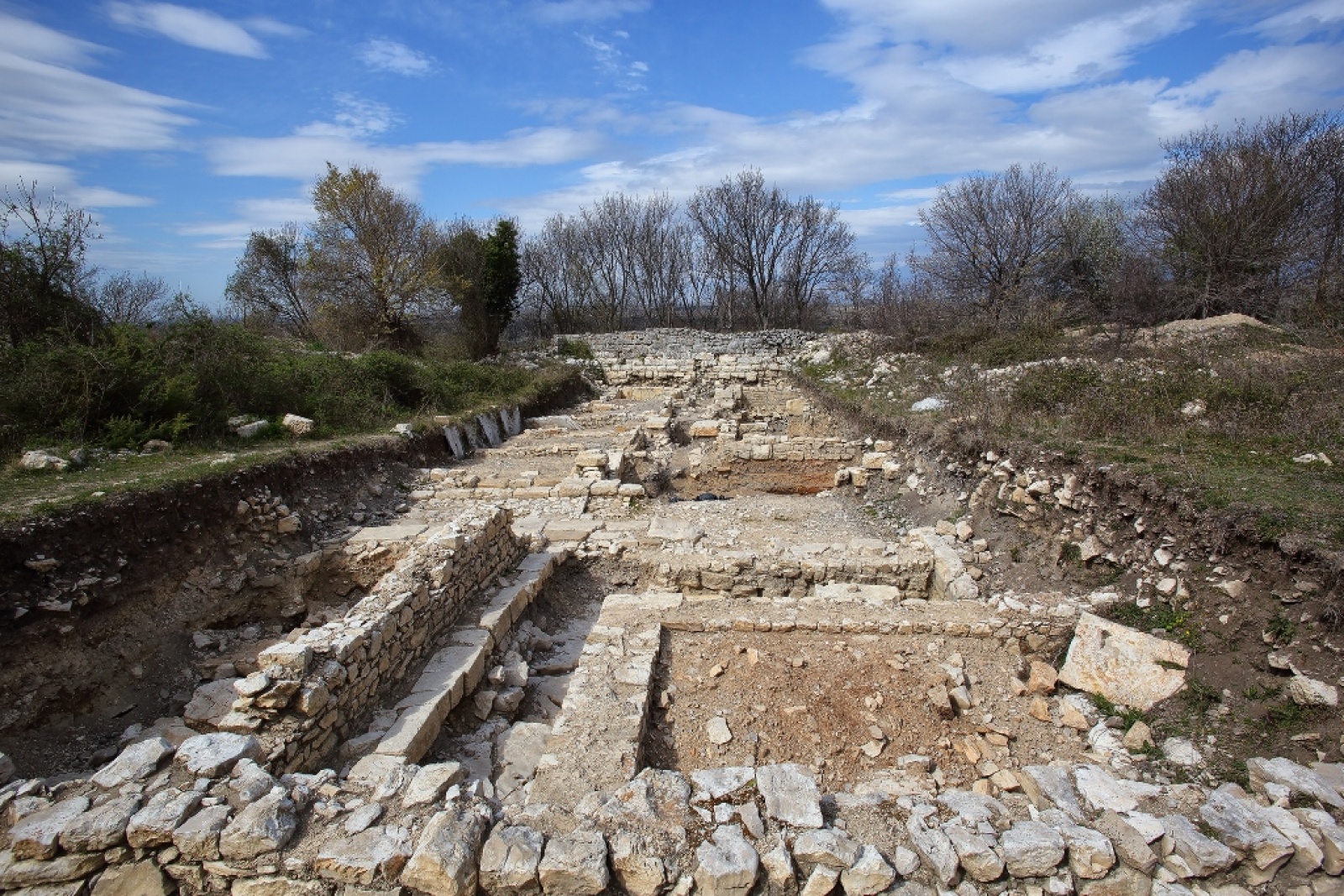
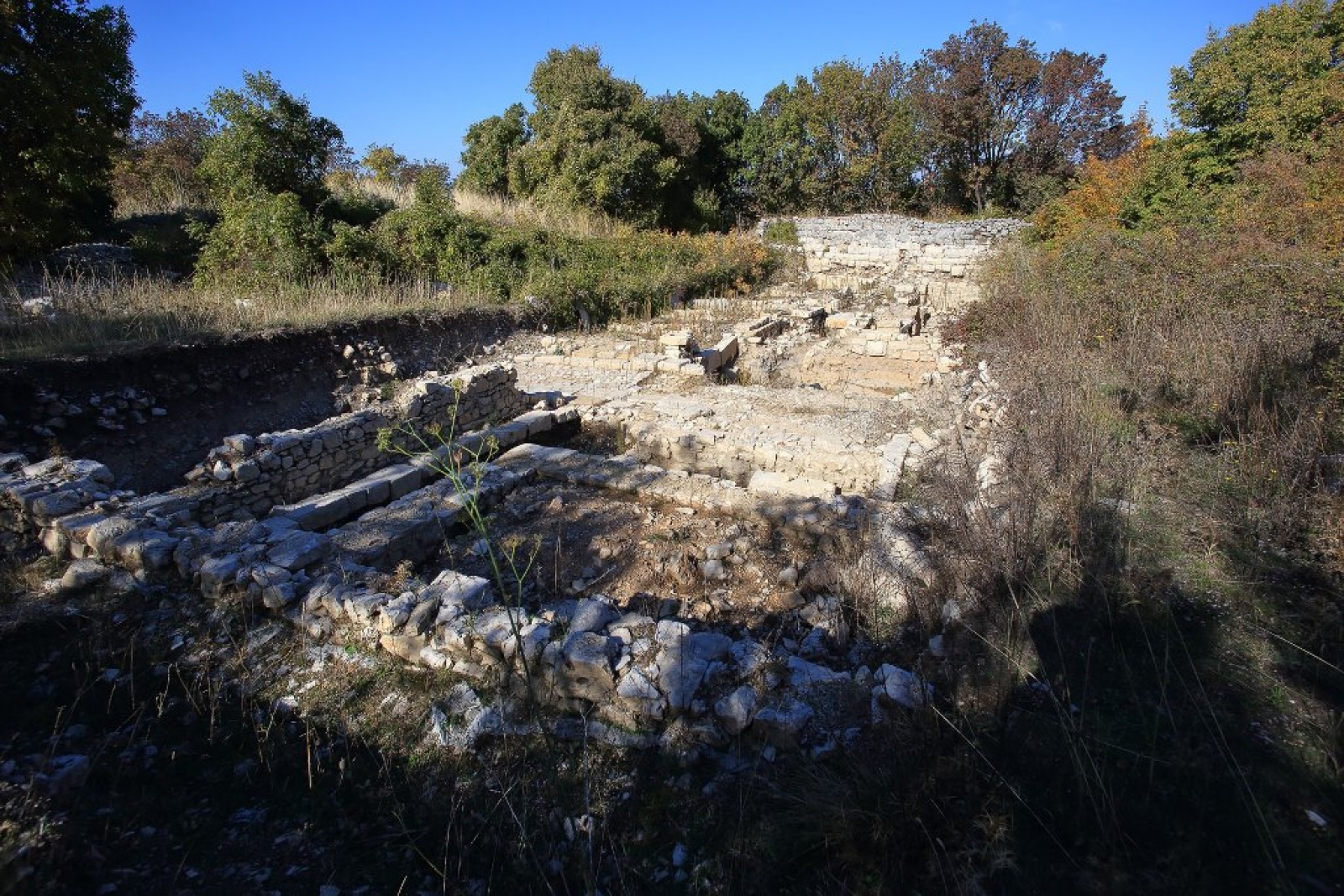
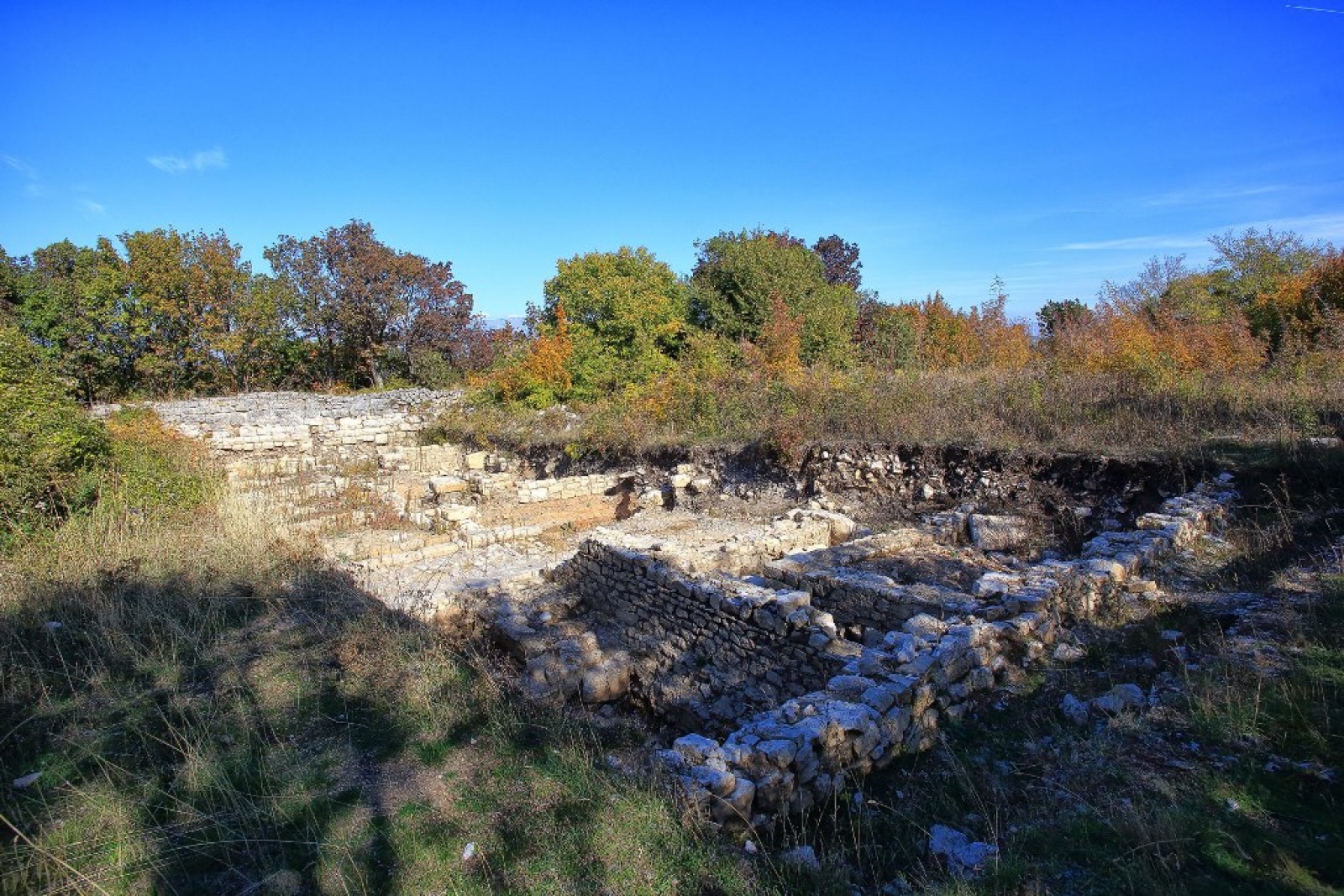
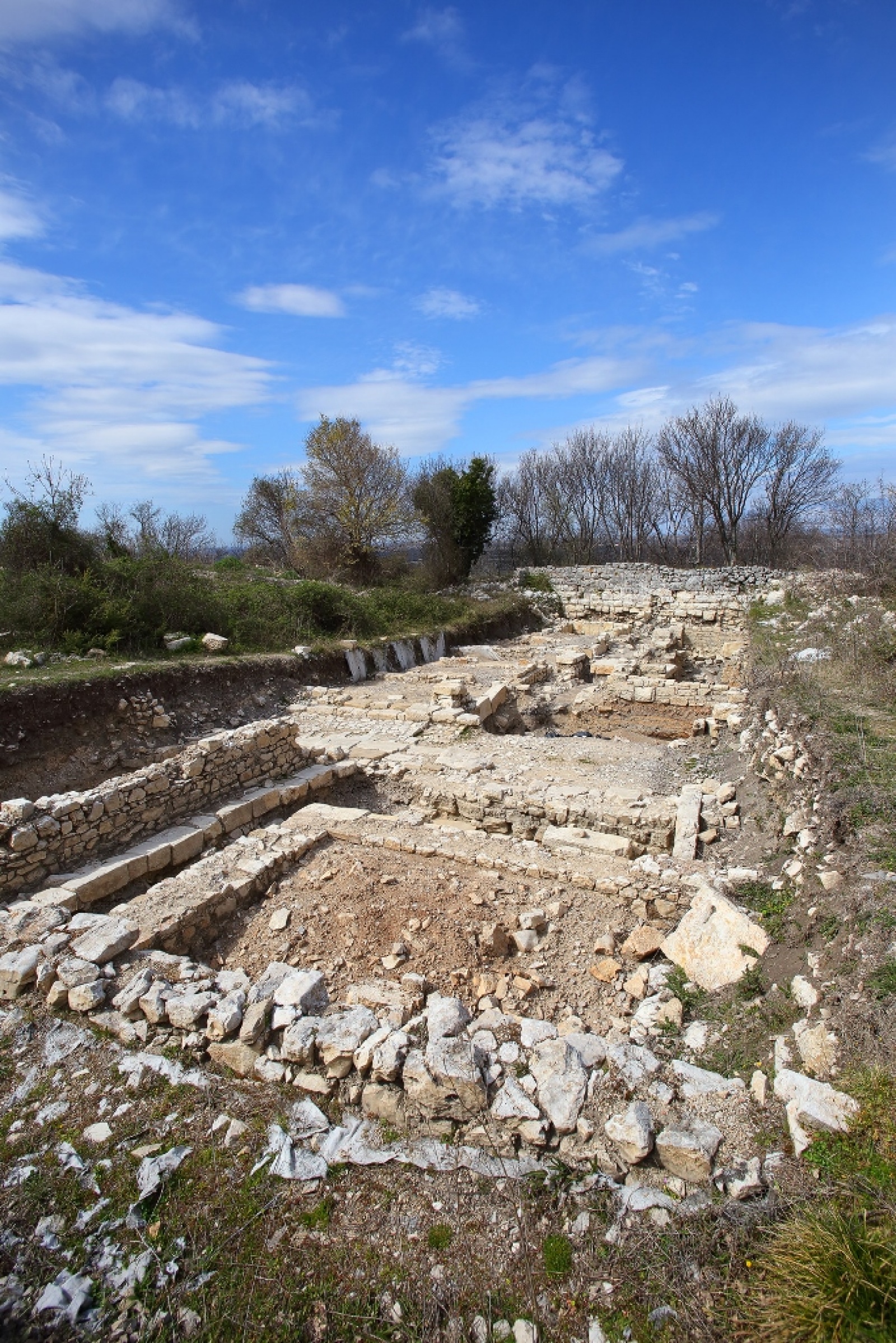
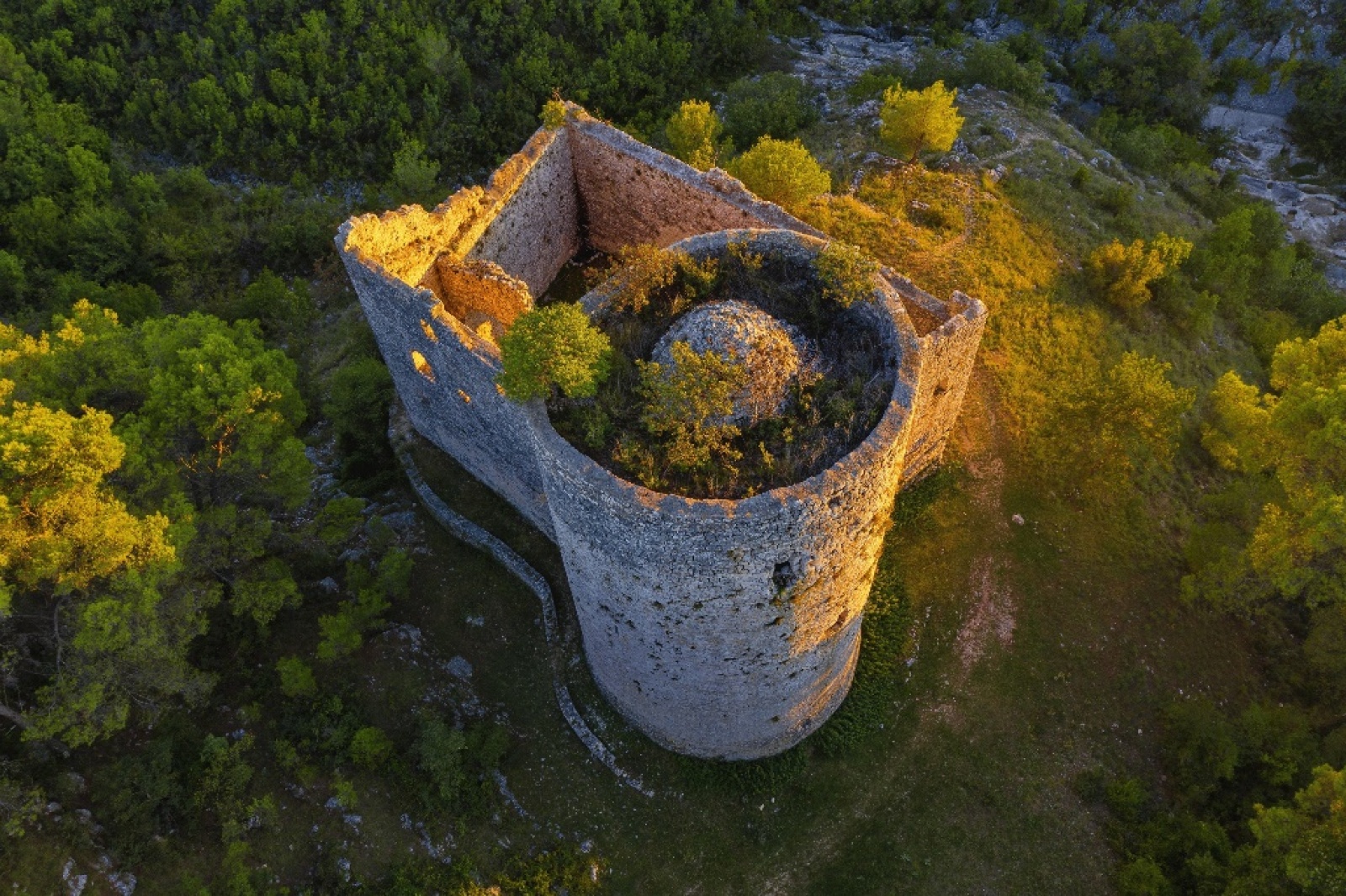
Antique Nedinum was a Liburnian and Roman hillfort settlement.
It was situated on the important road that connected Zadar, Asseria, and Varvaria, and further to Burnum, i.e. to Scardona.
The preserved megalithic walls were most likely built in the lst century.
Among the other Antique findings, a valuable monument is the one of the goddess Latra, that was especially worshipped by the Liburnians in Nadin. Worshipping of female deities was usual for the Liburnians.
The famous Roman jurist and senator Gaj Oktavije Prisko came from the Antique Nedinum in the 2nd century during the period of the emperor Trajan.
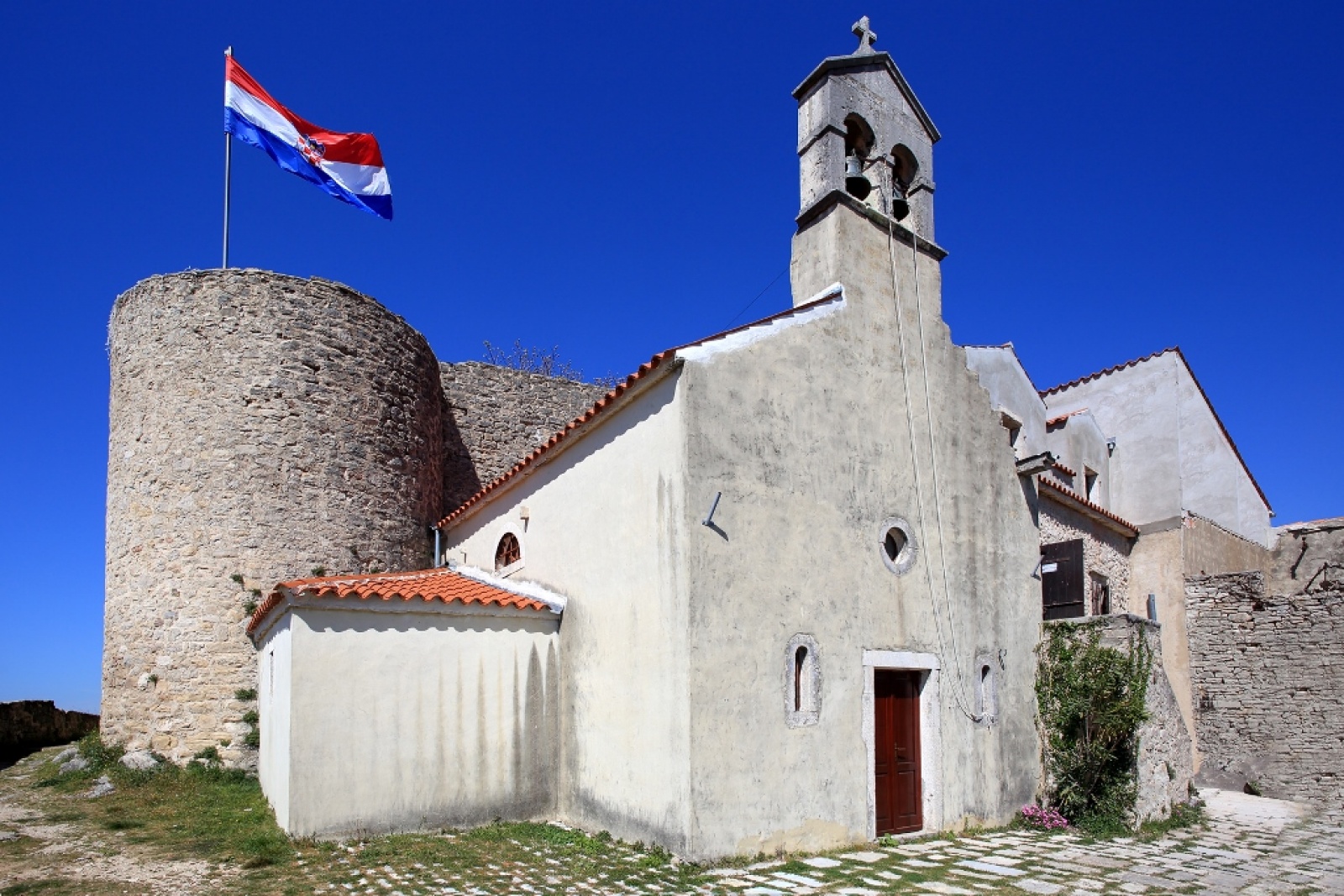
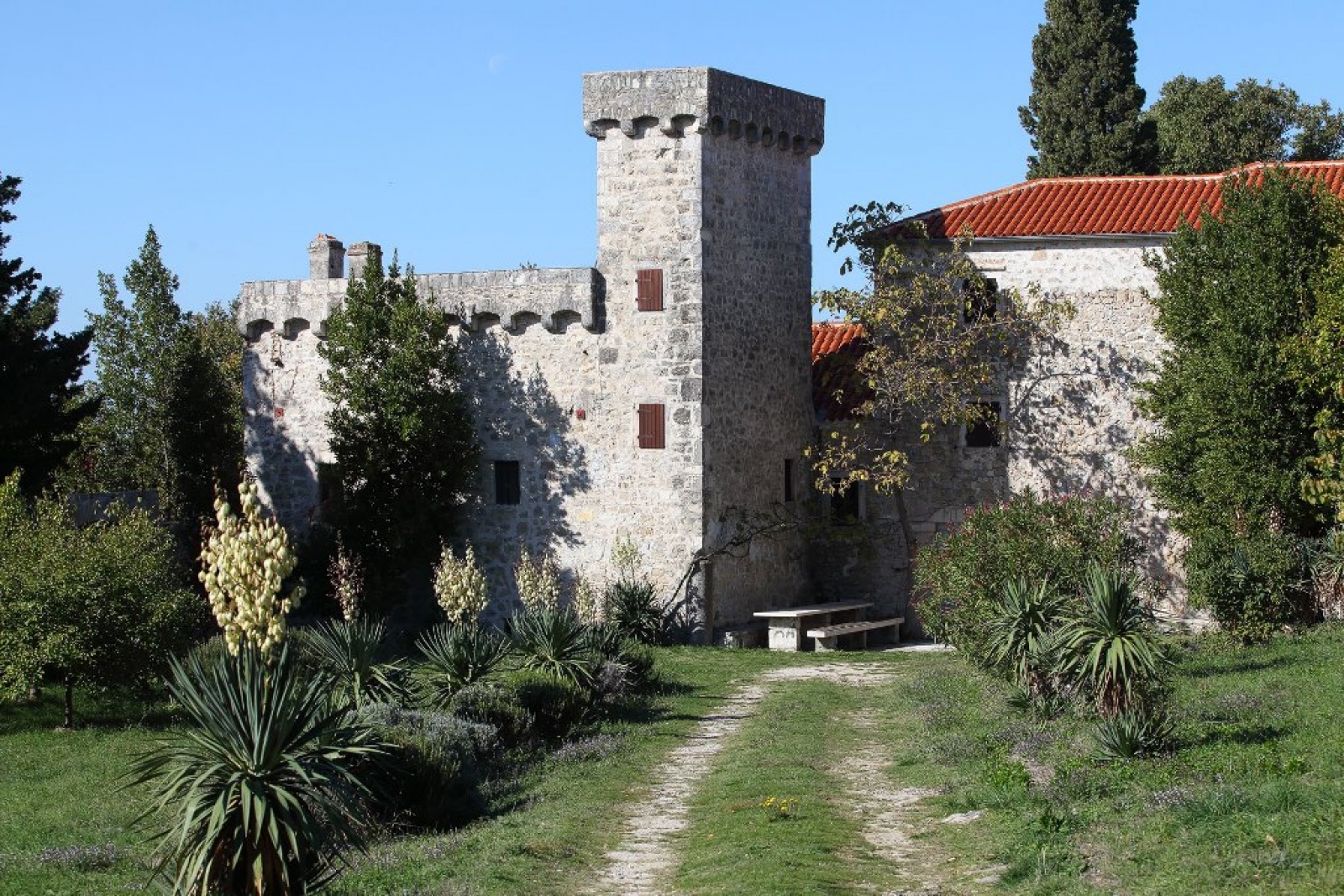
A long-lasting battle with the Republic of Venice and Ottoman Empire for the “key of Ravni Kotari” says enough about the importance of Nadin. Nadin was first a Venetian and then an Ottoman fort in the Middle Ages. It was fortified in the 15th century by the Venetians, but the Ottomans conquered it in 1538 and upgraded it.
The Venetians conquered it again in 1647 during the Candian war when they demolished the fort.
Location
Benkovac
The first traces of human life in the Benkovac area were found around the village of Smilčić that belonged to the Danilo culture. Before Roman conquest the area was inhabited by the Illyrian tribe of Liburnians. During the Roman Civil war the Liburnians sided with Caesar. The Romans mention the following Liburnian settlements: Nedinum (Nadin), Carinium (Karin), Varvaria (Bribir) and Asseria (Podgrađe). In 7th century the area was settled by Croats. The area of Benkovac was at the crossroads of four Croatian župas – Novljanska, Sidraška, Bribirska and Karinska. Near the village of Šopot, an inscription from the 9th century was found that mentions Branimir as a Croatian Duke.
ExploreAncient Rome
Romans subdued the Greek colonial cities in the 3rd century BC. They imposed an organization based on a military-economical system. Furthermore, the Romans subdued the Illyrians in the first century BC and organized the entire coastal territory by transforming the citadels into urban cities. After that, the history of these parts is the history of the Illyrian provinces of the Roman Empire. Numerous rustic villas, and new urban settlements (the most impressive are Verige in Brijuni, Pula, and Trogir – formerly Tragurion) demonstrate the high level of Roman urbanization. There were at least thirty urban cities in Istria, Liburnia and Dalmatia with Roman citizenship (civitas). The best-preserved networks of Roman streets (decumanus/cardo) are those in Epetion (Poreč) and Jader (Zadar). The most perfectly preserved Roman monuments are in Pola (Pula); founded in the first century dedicated to Julius Caesar. It is full of classical Roman art such as: stone walls, two city gates, two temples on the Forum, and remains of two theaters, as well as the Arch from the year 30 AD, and the temple of Augustus built in the years 2 to 14 AD, and finally the Fluvian Amphitheater (so called – Arena) from the 2nd century. In the 3rd century AD, the city of Salona became the largest (it had 40,000 inhabitants) and most important city of Dalmatia. Near the city emperor Diocletian, born in Salona, built Diocletian’s Palace around the year 300 AD, which is the largest and most important monument of late antique architecture in the world. On its pathways, cellars, domes, mausoleums, arcades and courtyards we can trace numerous different art influences from the entire Empire. In the 4th century, Salona became the center of Christianity for the entire western Balkans. It had numerous basilicas and necropolises, and even two saints: Domnius (Duje) and Anastasius (Stošija).
Explore









Reviews
There are no reviews yet.