
The Heritage Museum Benkovac in Fort Benković


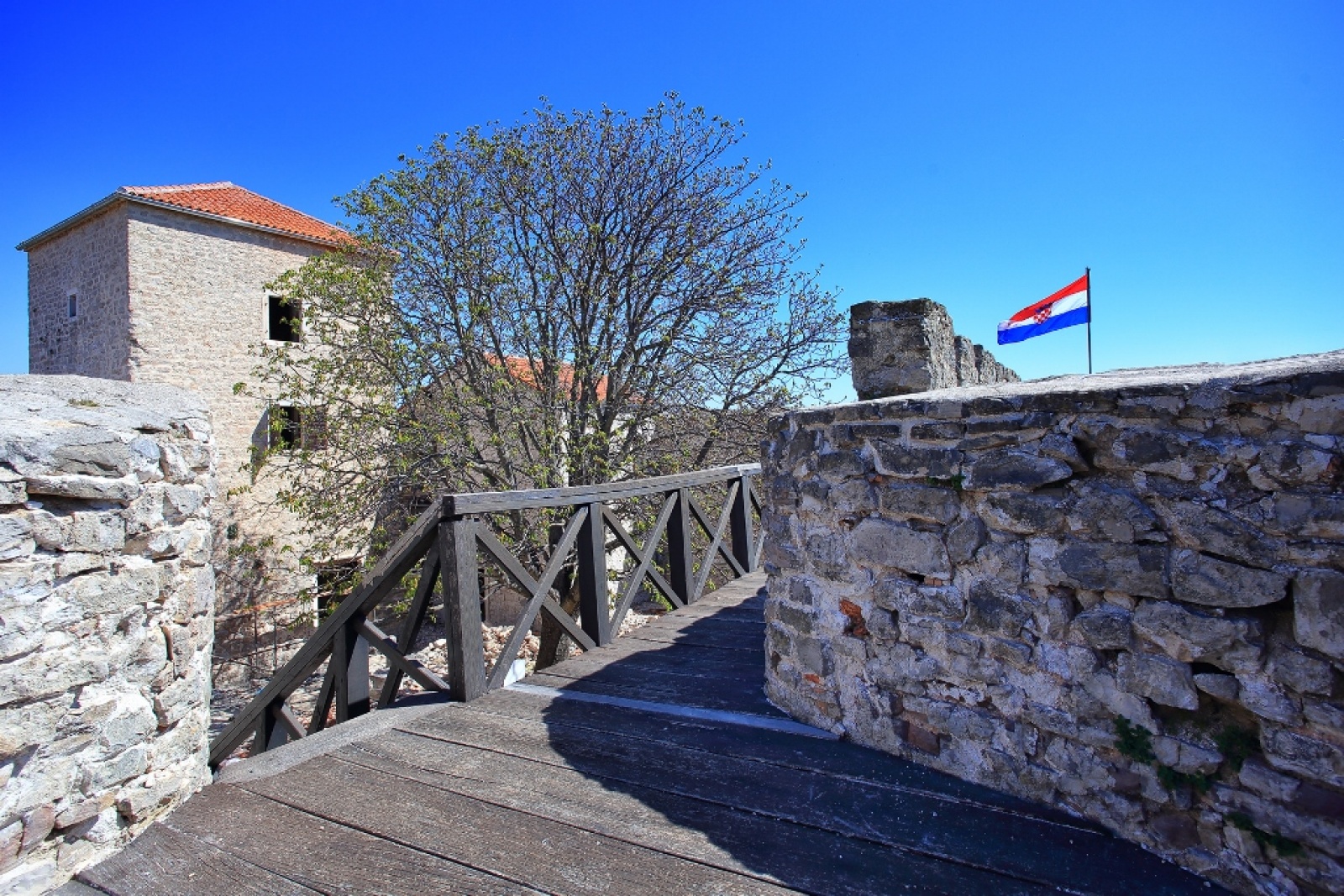
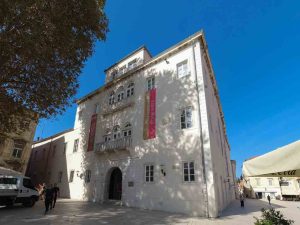
Today, the space of fort Benković is used by the Heritage Benkovac Museum, creating a link between the past and the present. It preserves tradition, culture, and customs for future generations, and is the best place to begin exploring the surrounding regions of Ravni Kotari and Bukovica.
Fort Benković
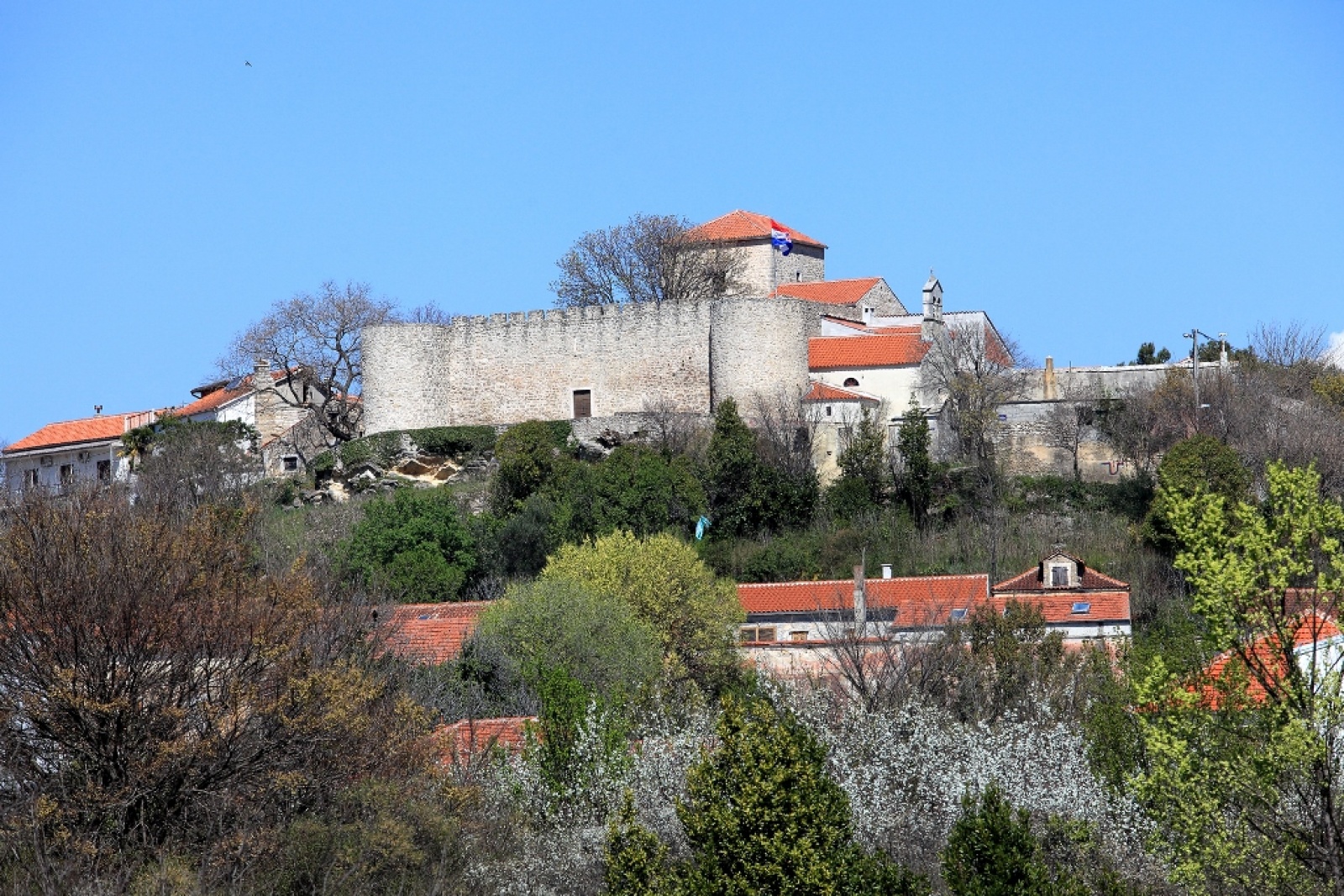
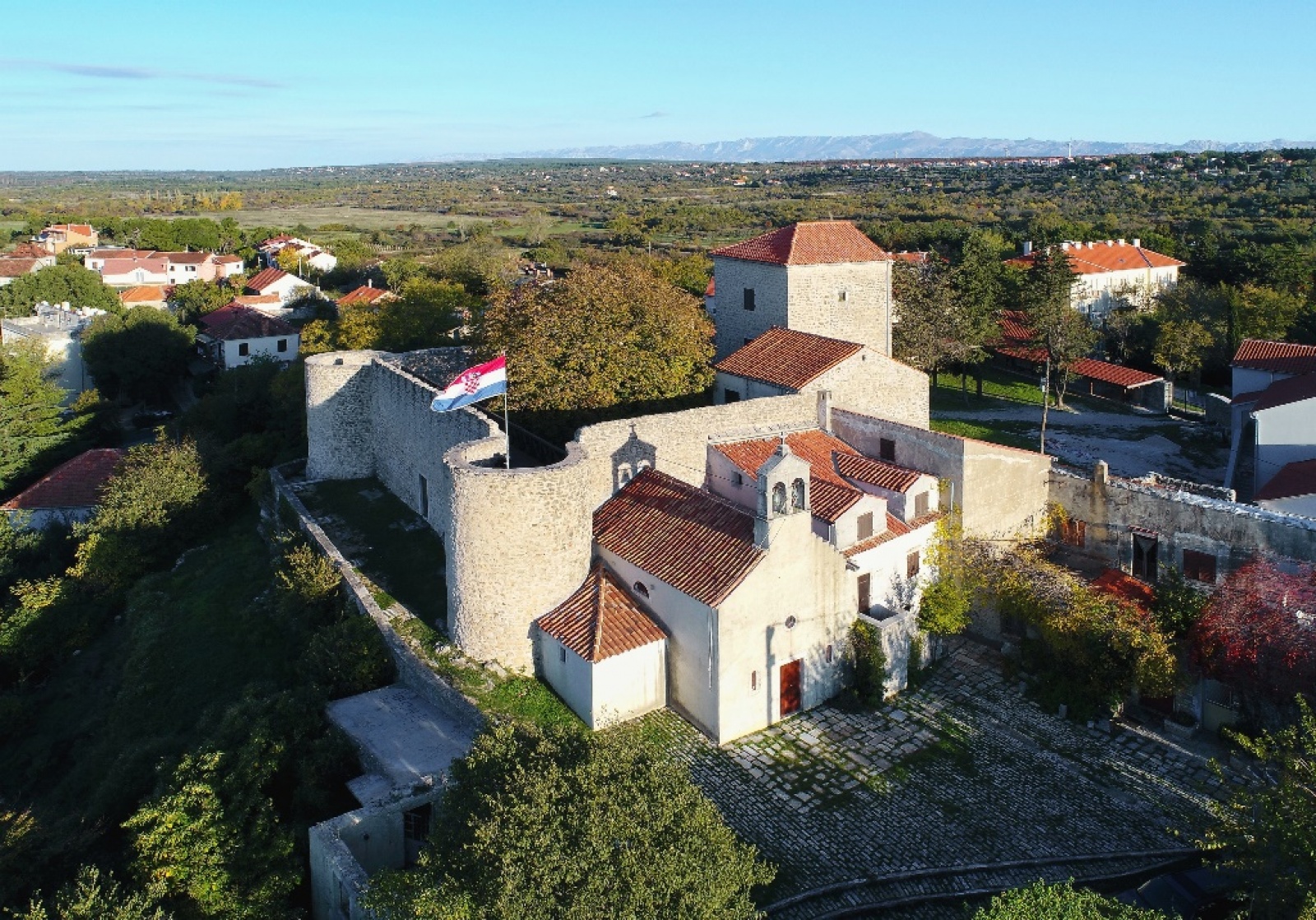
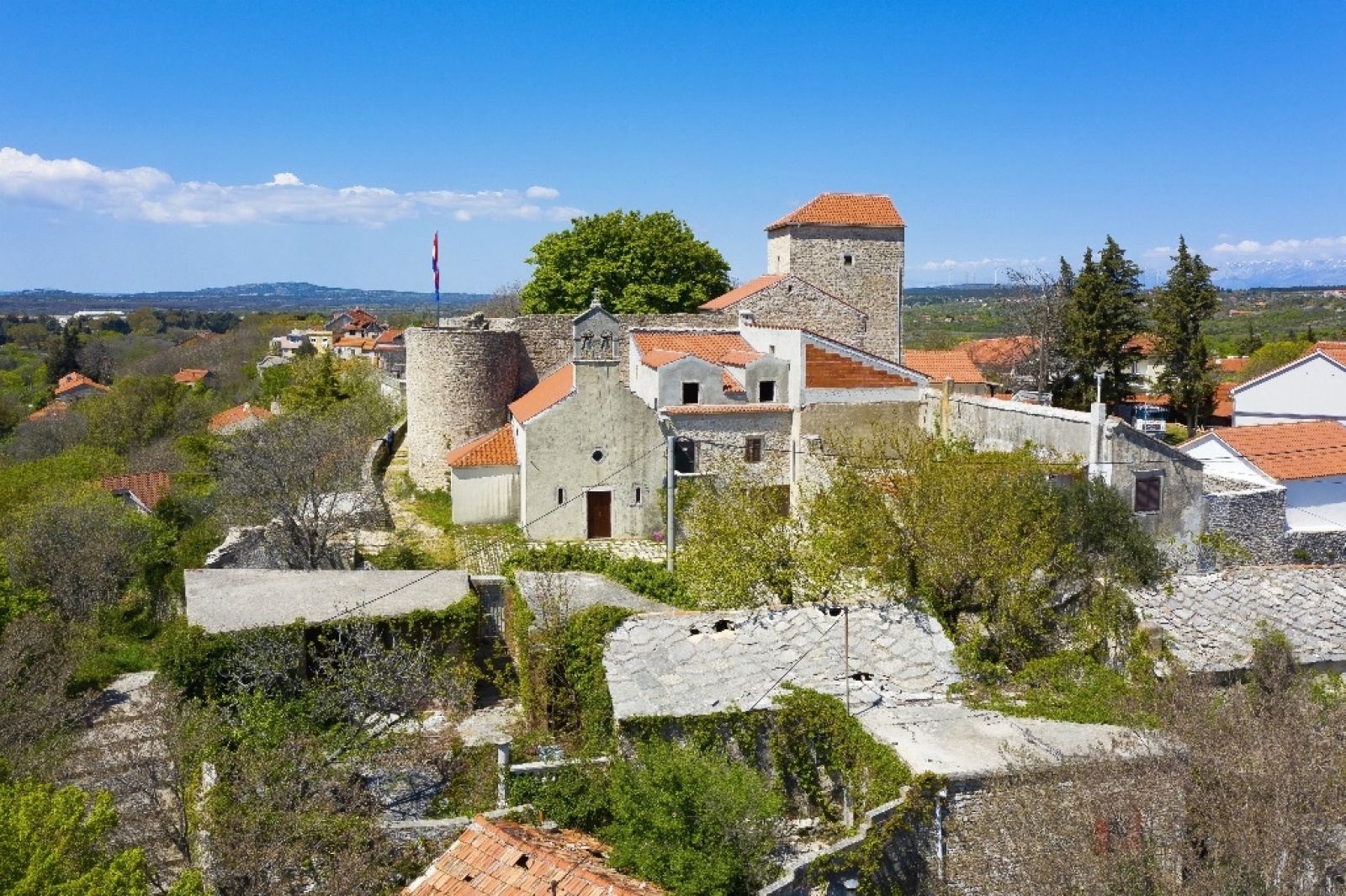
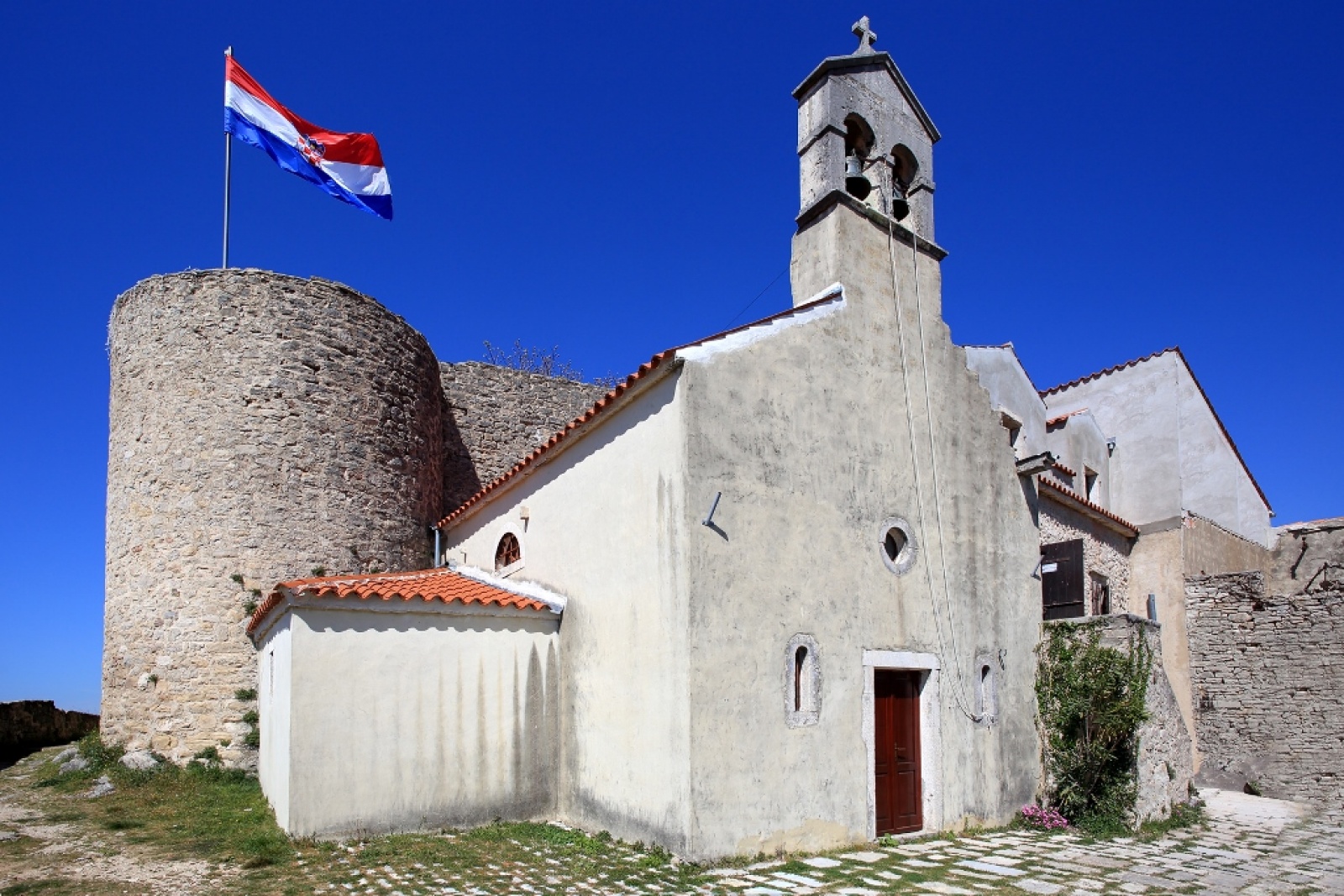
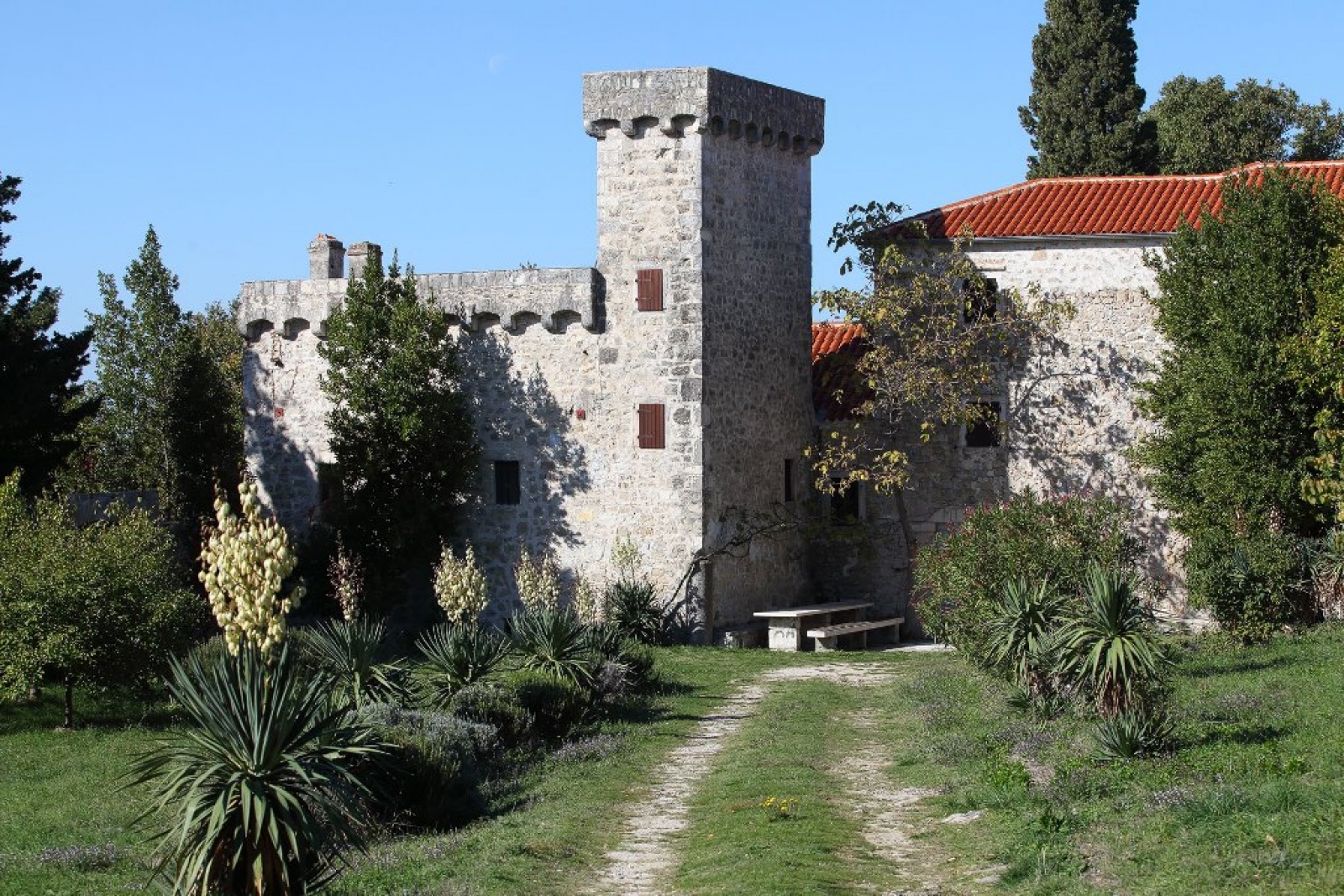
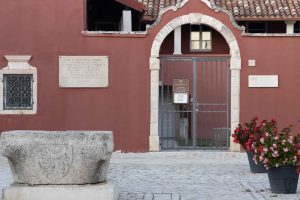
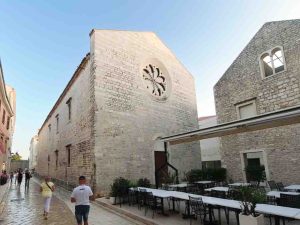
Fort Benković fortress dominates the entire Benkovac plain. In the first half of the 18th century, the Church of St. Anthony was built right beside it.
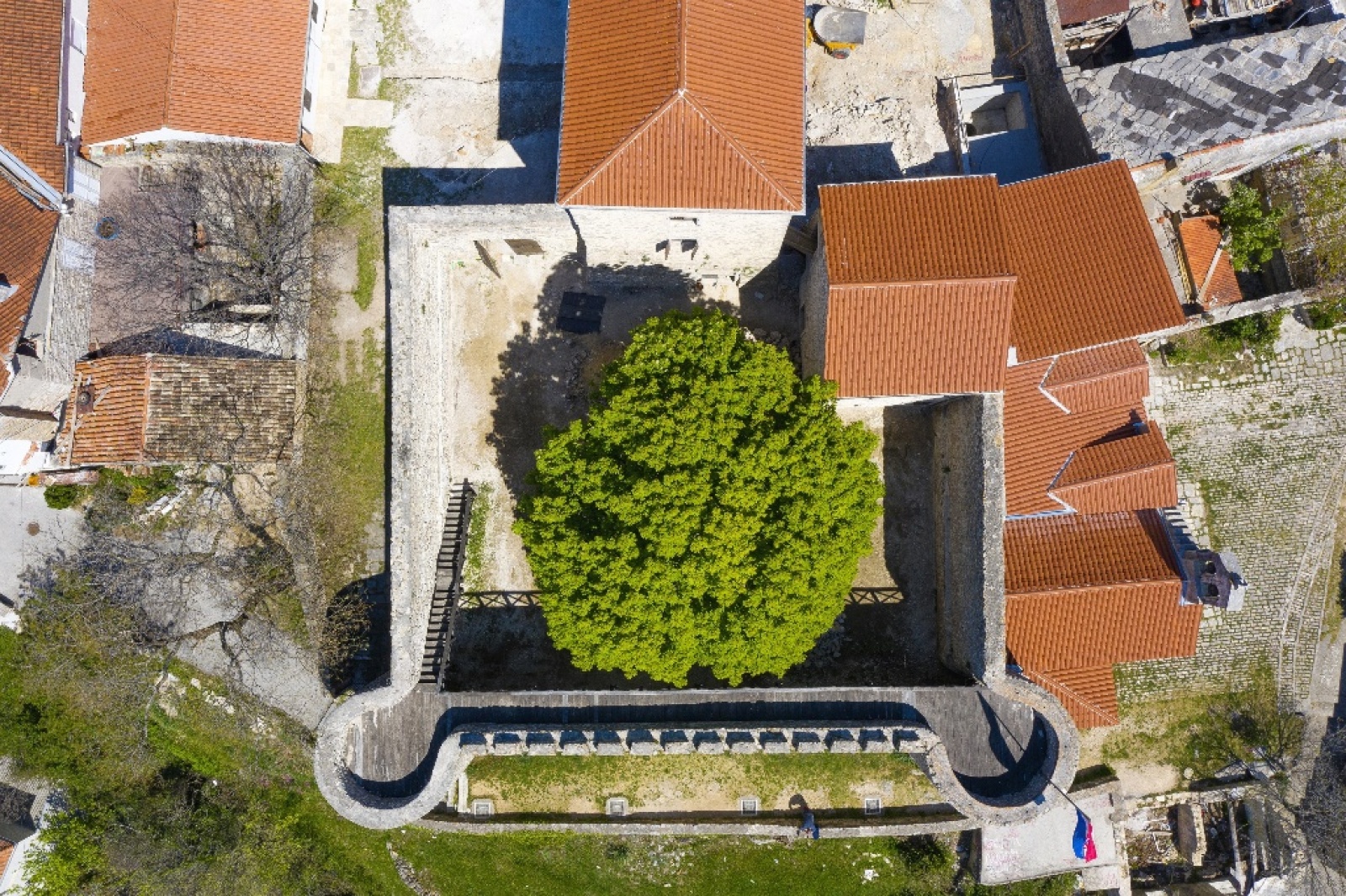
The fort is a stone defensive structure with a square courtyard at its base, featuring a high, square tower. The corners of the walls are reinforced with two round towers that were added during the Ottoman rule in the 16th century.
The fort certainly existed in the 15th century and was most likely founded by a member of the Benković family, which is first mentioned in 1468. It served both a defensive and a residential role.
After his defeat in the fight for the Hungarian crown, Ladislaus of Naples sold his rights to Dalmatia to the Venetian Republic in 1409. Following the establishment of the new state border, a large part of the Kotari region came under Venetian rule (Zadar, Nin, Vrana, Novigrad, and a significant portion of their hinterland), while a smaller part, along with Bukovica, remained under the control of the Croatian-Hungarian Kingdom and was managed by Croatian noble families.
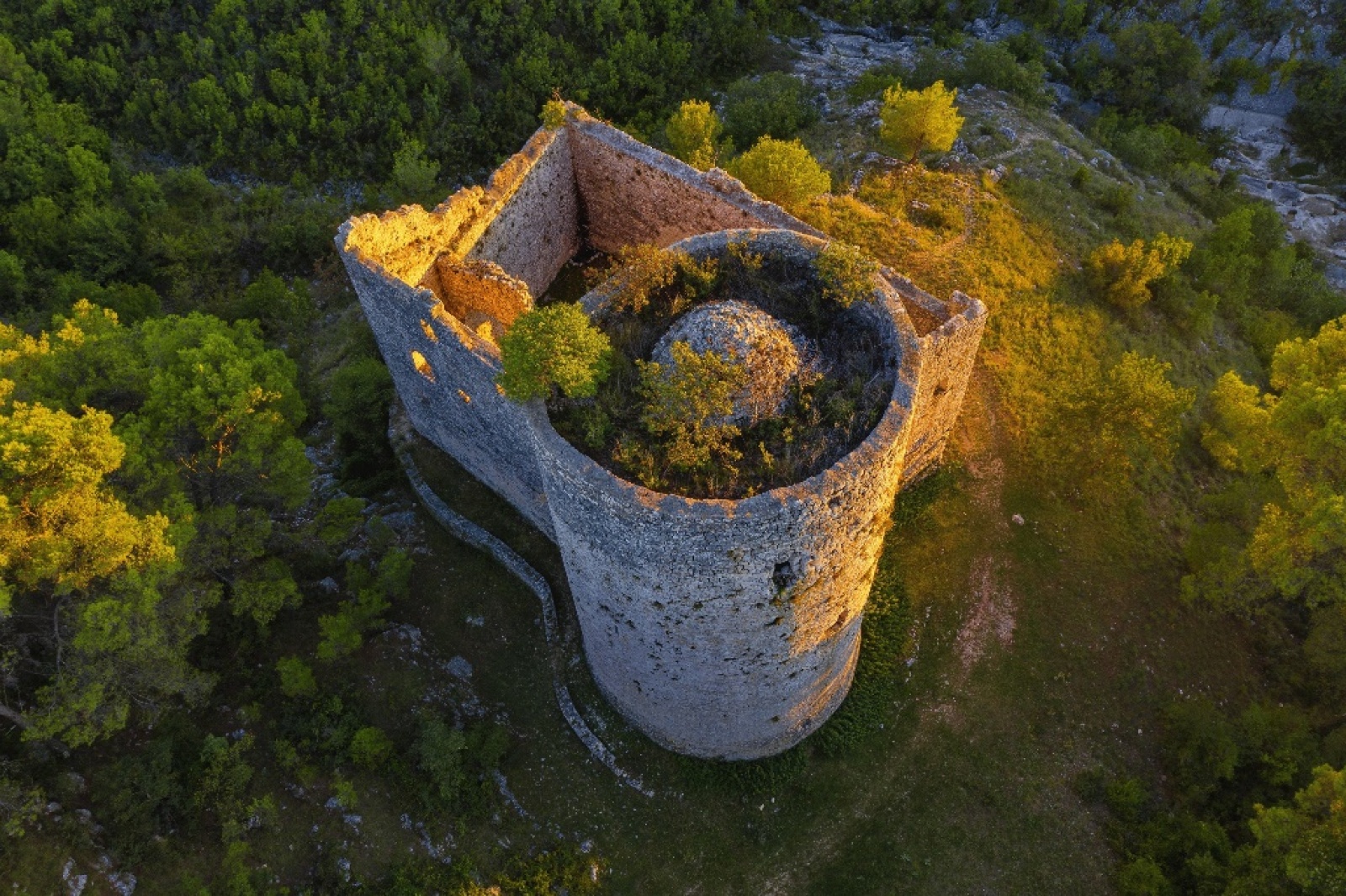
During this time, the Croatian nobility built fortresses to protect their properties. Defensive fortifications and communication towers began to be erected on both sides of the border, including those at Karin, Korlat, Nadin, Kličevica, Polača, Perušić, Benkovac, Šopot, Vukšić, Budak, Ostrovica, and others.
In 1527, the fort fell under Ottoman rule and served as a fortress with a temporary garrison and a small village in its immediate vicinity.
During the prolonged Ottoman-Venetian conflicts, the Venetians burned and conquered it several times. After the Treaty of Karlowitz in 1699 and the final departure of the Ottomans, they took it over and stationed a cavalry garrison there.
With the dissolution of the Venetian Republic, it came under Austrian rule. In 1805, after the Peace of Pressburg, it served for ten years as the military headquarters for the French army.
After the fall of Napoleon and the decisions of the Congress of Vienna in 1815, Austria once again took control of Dalmatia. The fort then lost its military and public function and passed into private ownership. In the 19th century, Benkovac began to develop as an urban settlement below the walls of Fort Benković.
Heritage Museum Benkovac
The Heritage Museum Benkovac developed from a small local collection within the medieval Fort Benković.
Beyond its museological value and exhibits, the fort complex itself has grown into a starting point for learning about the region’s past. It’s a place to get all the information needed to independently explore the rich cultural and historical monuments of the Ravni Kotari and Bukovica areas, from prehistory to the modern era.
Exhibits that make the museum worth visiting include:
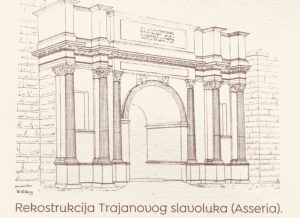
- A globally rare stone relief of the Capitoline wolf with Rome’s founders, Romulus and Remus, from the nearby Asseria.
- The world’s only three-barreled cannon that matches a drawing by the Renaissance genius Leonardo da Vinci, found at the Kličevica fortress.
- Unique Liburnian-Roman tombstones called cipuses—these are just a few of the traces of the region’s amazing history.
In the spacious courtyard of the Heritage Benkovac Museum, under the shade of a wild chestnut tree, many events are held. Chief among them is the iconic Vinfest (Wine Fest), which brings together the best winemakers of Northern Dalmatia and a multitude of guests.
Location
Benkovac
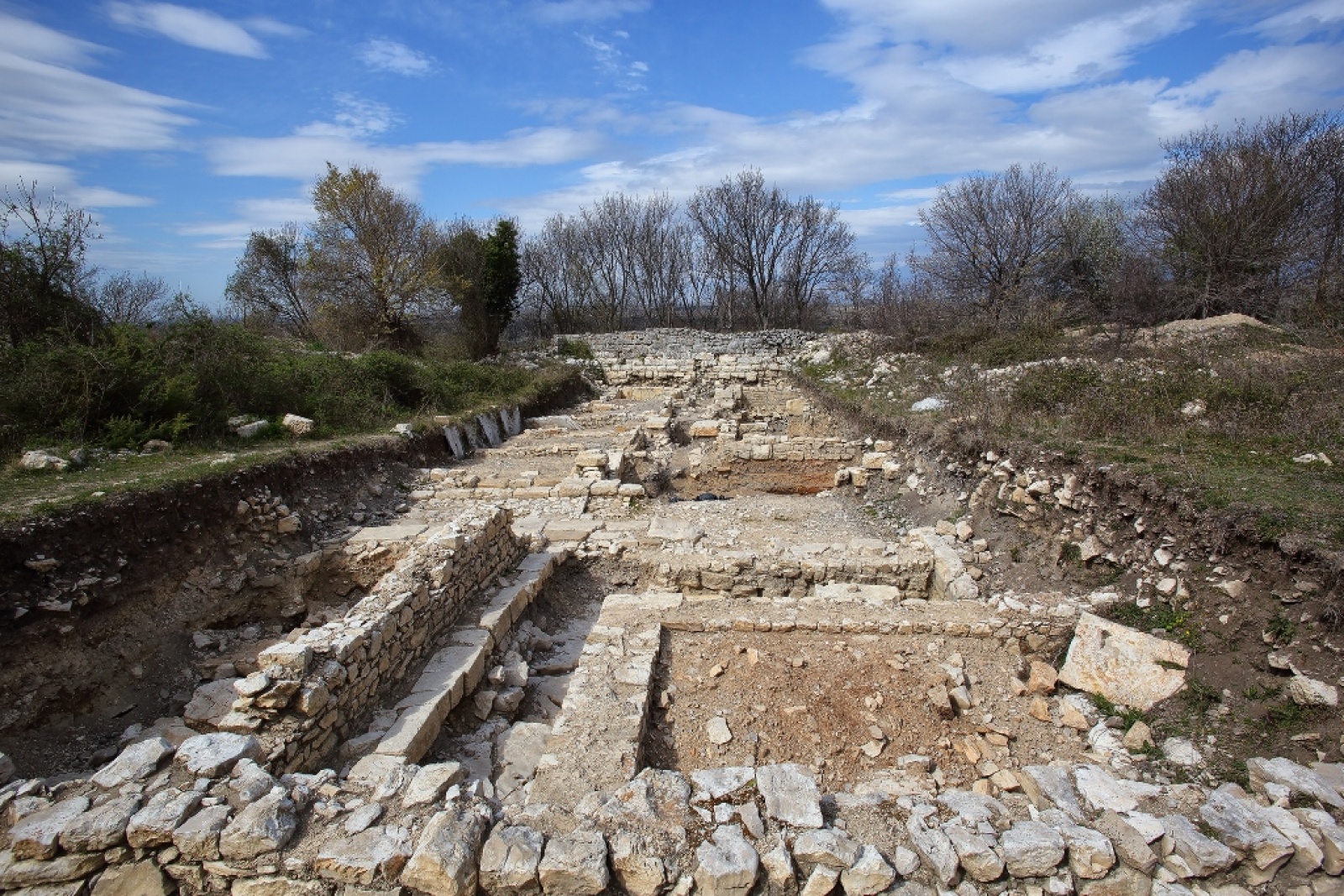
The first traces of human life in the Benkovac area were found around the village of Smilčić that belonged to the Danilo culture. Before Roman conquest the area was inhabited by the Illyrian tribe of Liburnians. During the Roman Civil war the Liburnians sided with Caesar. The Romans mention the following Liburnian settlements: Nedinum (Nadin), Carinium (Karin), Varvaria (Bribir) and Asseria (Podgrađe). In 7th century the area was settled by Croats. The area of Benkovac was at the crossroads of four Croatian župas – Novljanska, Sidraška, Bribirska and Karinska. Near the village of Šopot, an inscription from the 9th century was found that mentions Branimir as a Croatian Duke.
Explore










Reviews
There are no reviews yet.