
Franciscan Monastery in Karin Donji
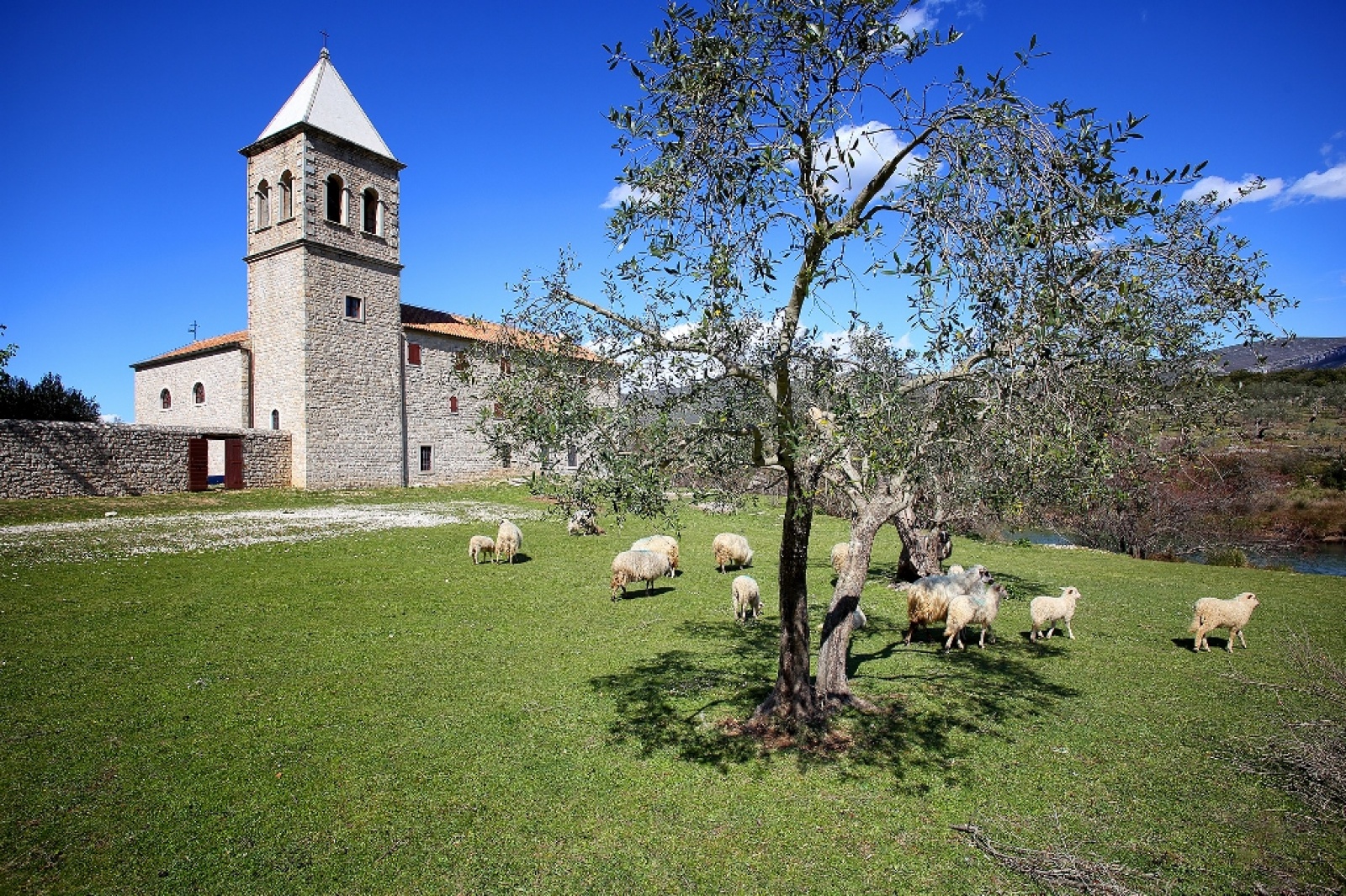
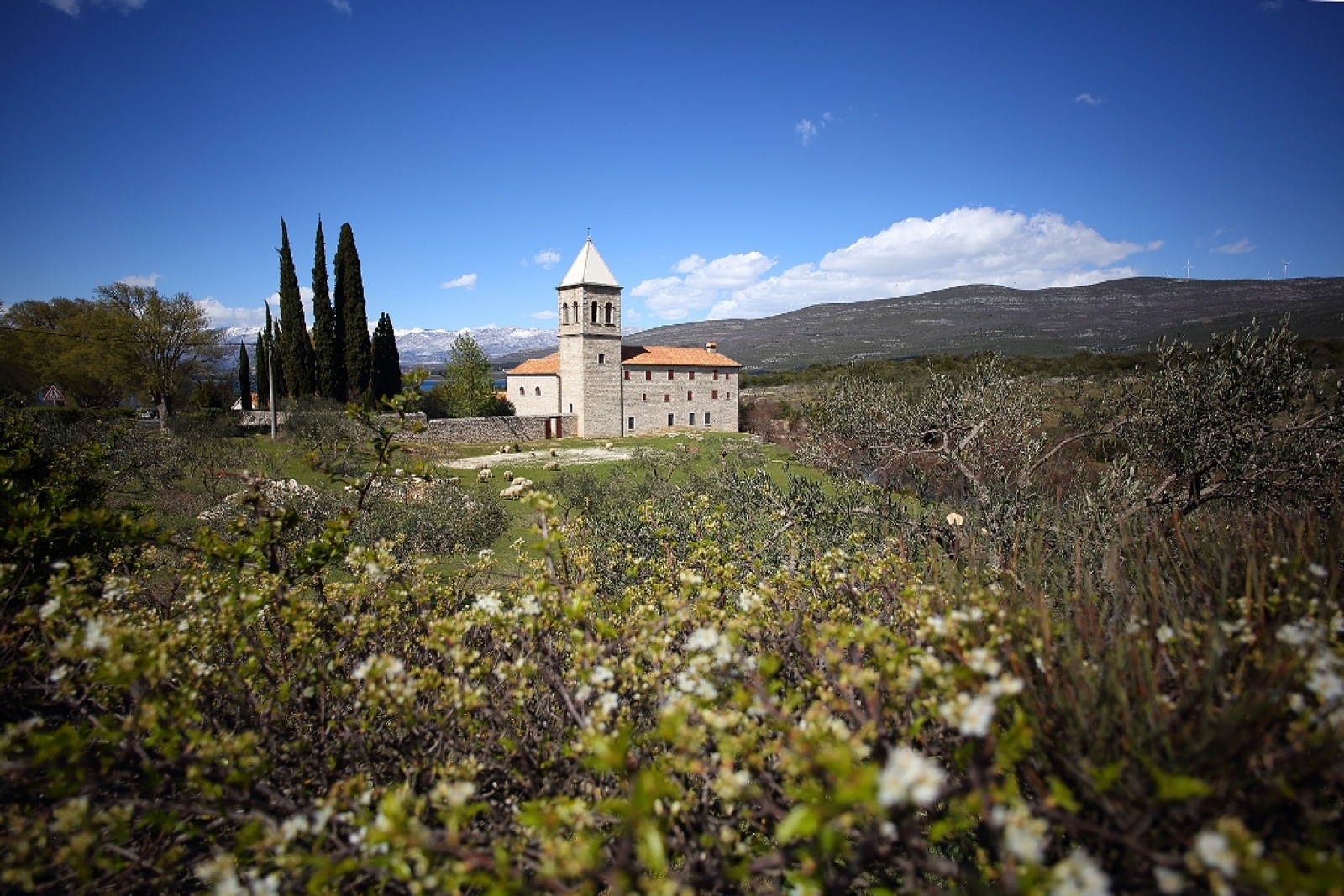
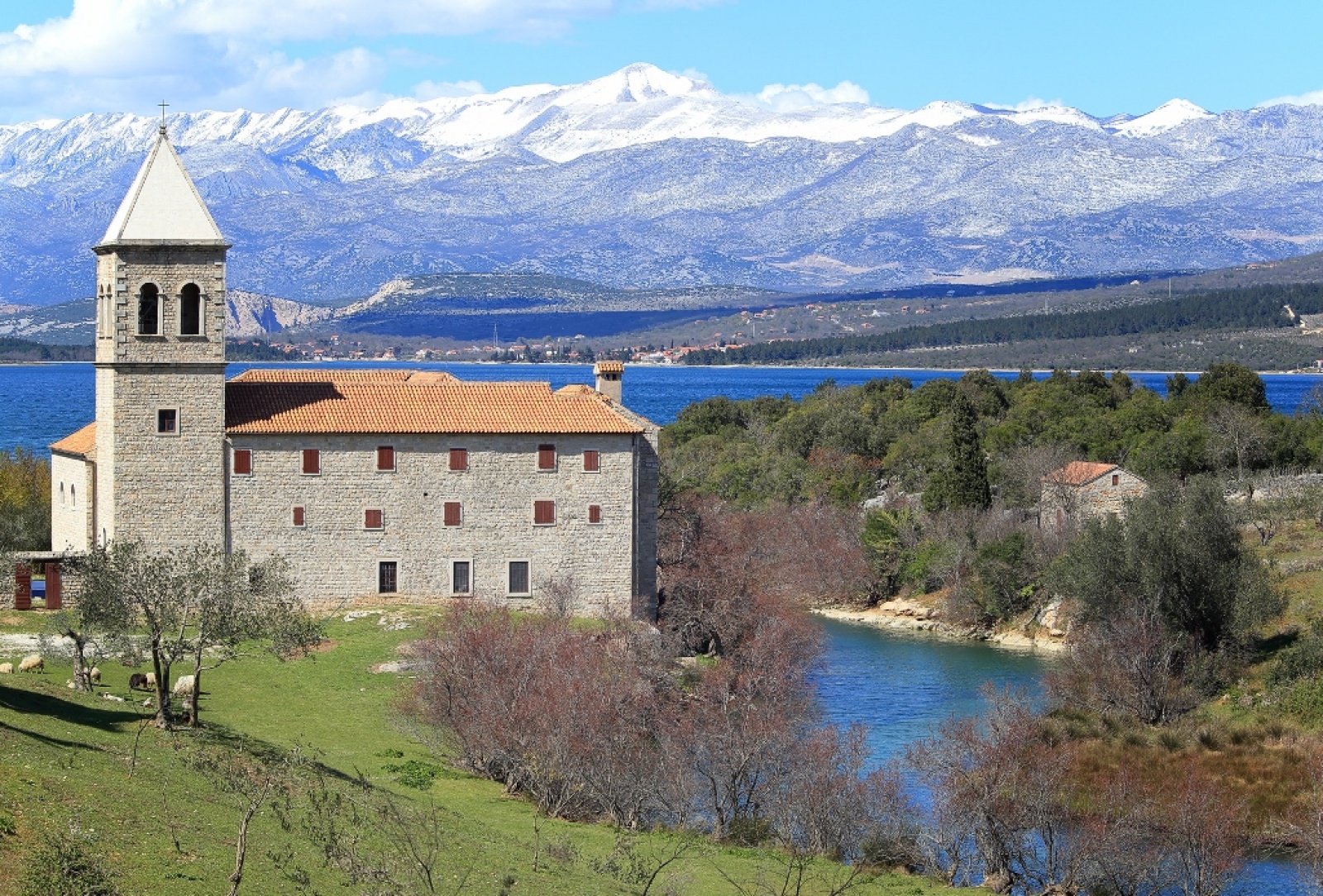
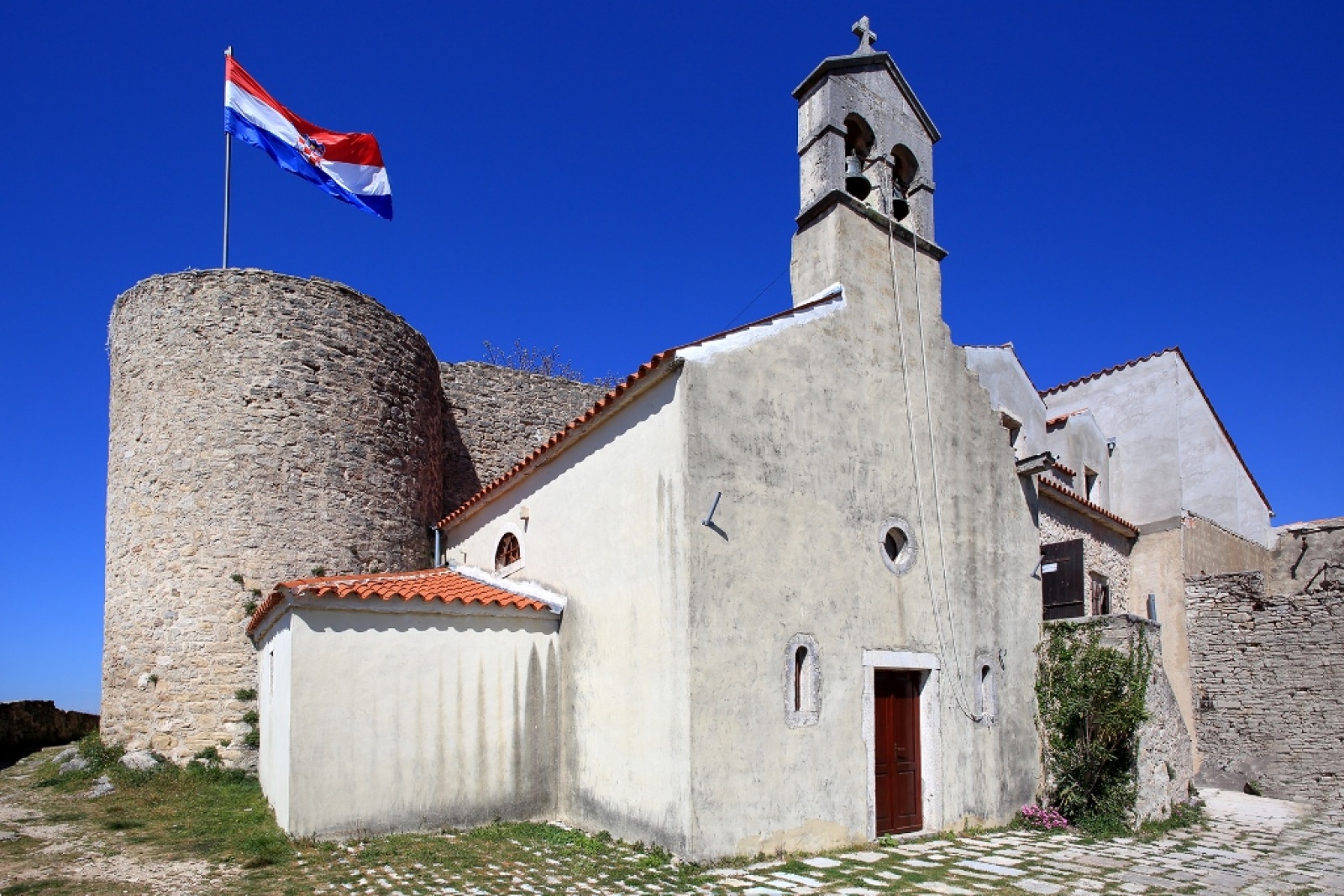
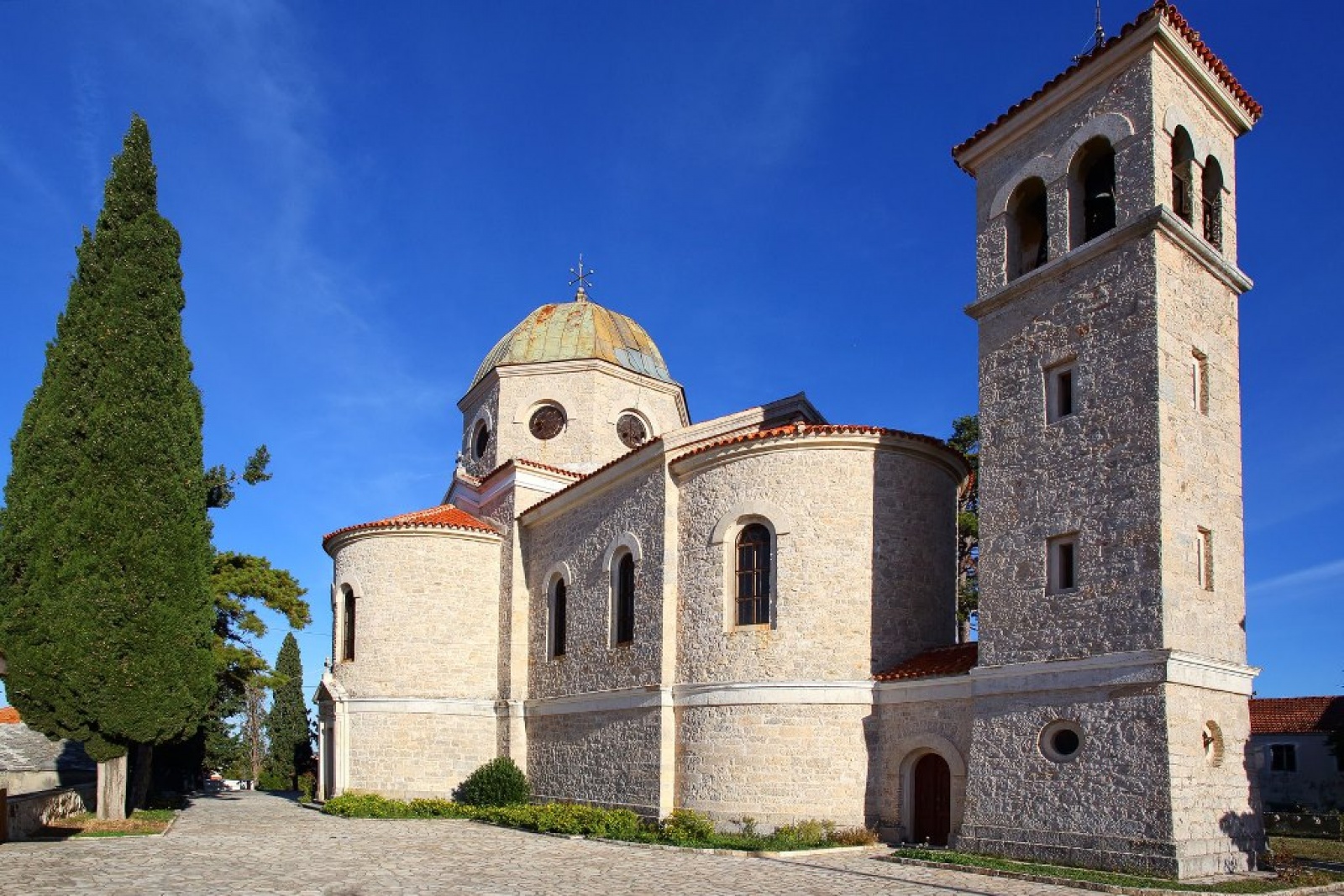
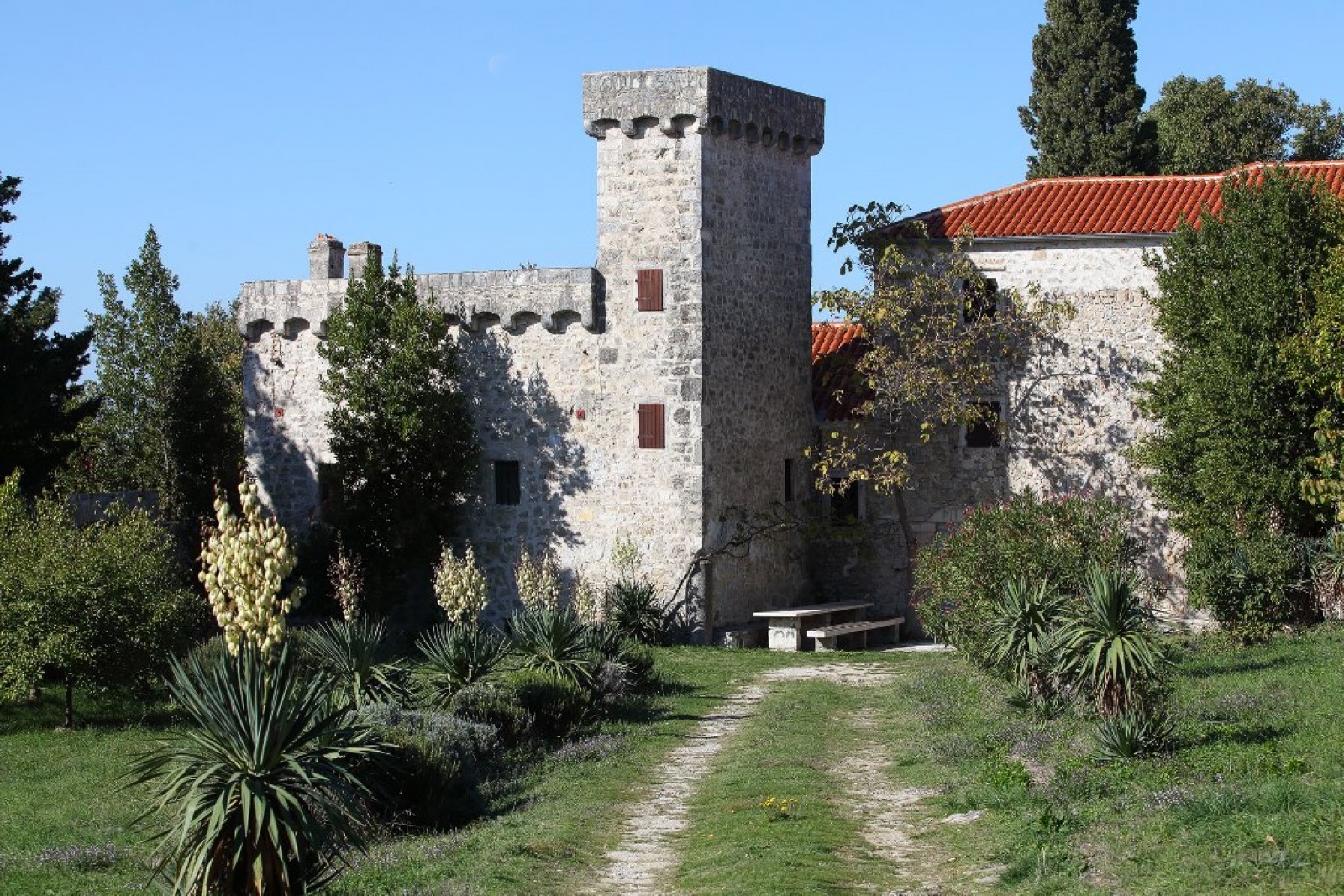
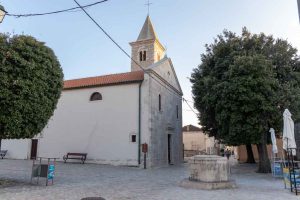
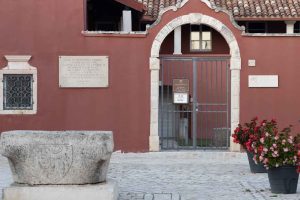
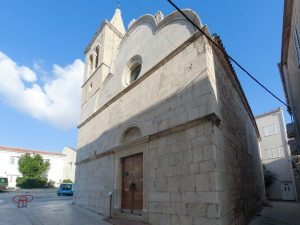
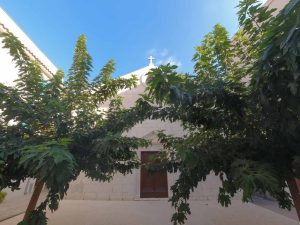
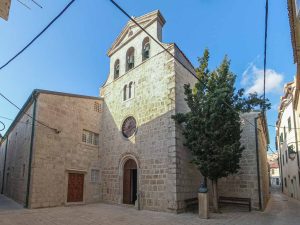
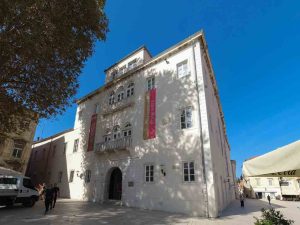
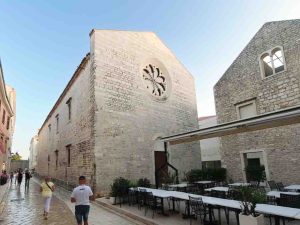
The most important monument of Karin’s history, the Franciscan Monastery of the Blessed Virgin Mary, is situated near the coast, in an exceptionally picturesque place.
It was built in the 15th century, not far away from the place where it used to be a much older Benedictine monastery, and founded by Nikola Lapsanovic, the master of Karin, a predecessor of the old Croatian family Lapcani.
The monastery suffered great damage during the Venetian-Ottoman conflict, and it was fully renovated at the beginning of the 18th century.
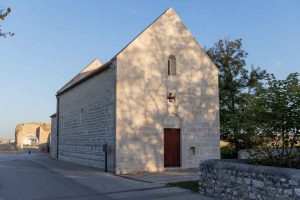
It was built in the Gothic style, which is visible in the shape of the walled-up windows on the church and on the bell. During the reconstruction in the 18th century, after the Ottomans had left, they were replaced by half-circled Baroque windows. It is the oldest monastery of the Franciscan Province of the Most Holy Redeemer today.
The monastery is known for its rich library as well, but unfortunately, it is closed to the public.
Location
Benkovac
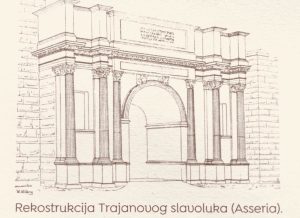
The first traces of human life in the Benkovac area were found around the village of Smilčić that belonged to the Danilo culture. Before Roman conquest the area was inhabited by the Illyrian tribe of Liburnians. During the Roman Civil war the Liburnians sided with Caesar. The Romans mention the following Liburnian settlements: Nedinum (Nadin), Carinium (Karin), Varvaria (Bribir) and Asseria (Podgrađe). In 7th century the area was settled by Croats. The area of Benkovac was at the crossroads of four Croatian župas – Novljanska, Sidraška, Bribirska and Karinska. Near the village of Šopot, an inscription from the 9th century was found that mentions Branimir as a Croatian Duke.
ExploreBaroque
One of the most remarkable periods in Croatian art history is the Baroque, which lasted from the 17th to the late 18th century. During this time, Croatia was reunited with the parts of its territory that were occupied by the Venetian Republic and the Ottoman Empire, after centuries of fragmentation and division. This reunification not only brought political stability and economic prosperity but also stimulated a cultural revival and a flourishing of art in every segment.
ExploreGothic
Gothic appeared relatively late in Croatia. In addition to the 13th and 14th centuries, as long as it lasted in Europe, its influence is also visible in the 15th and 16th centuries – for example, on the Trogir and Sibenik cathedrals. Also on the territory of Croatia, you can often see admixtures of Romanesque and Renaissance in Gothic buildings. Gothic influence from European countries adapted to its possibilities and needs and thus created a “domestic artistic expression”. This mixture of styles is most pronounced in Dalmatia. The northern regions were exposed to the influences of Central Europe, while the coastal regions tied their artistic expression to Italian models.
Explore








Reviews
There are no reviews yet.