
The Museum of Salt and Nin Saltworks


In ancient times, salt was traded for gold, ounce for ounce. It is well known that the Romans even paid their soldiers with our salt.
The Nin Saltworks welcomes over 100,000 visitors annually. It’s more than 1,500 years old, a fact supported by archaeological finds from the time of the Liburnians (Illyrians).
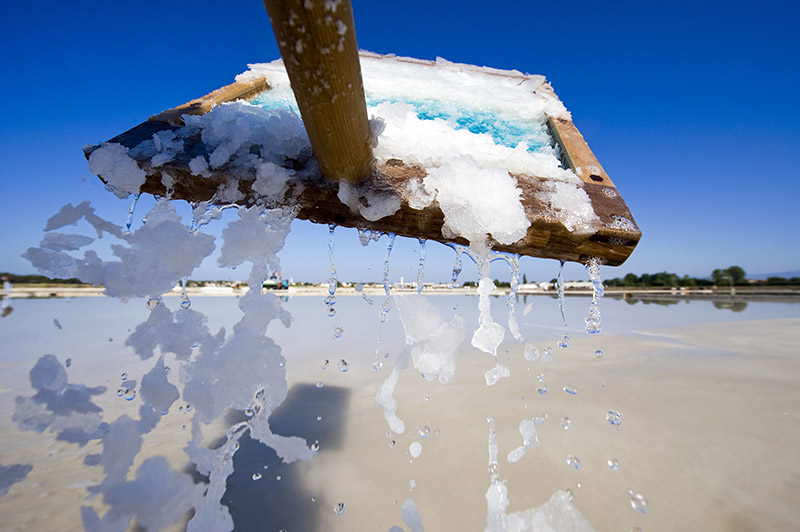
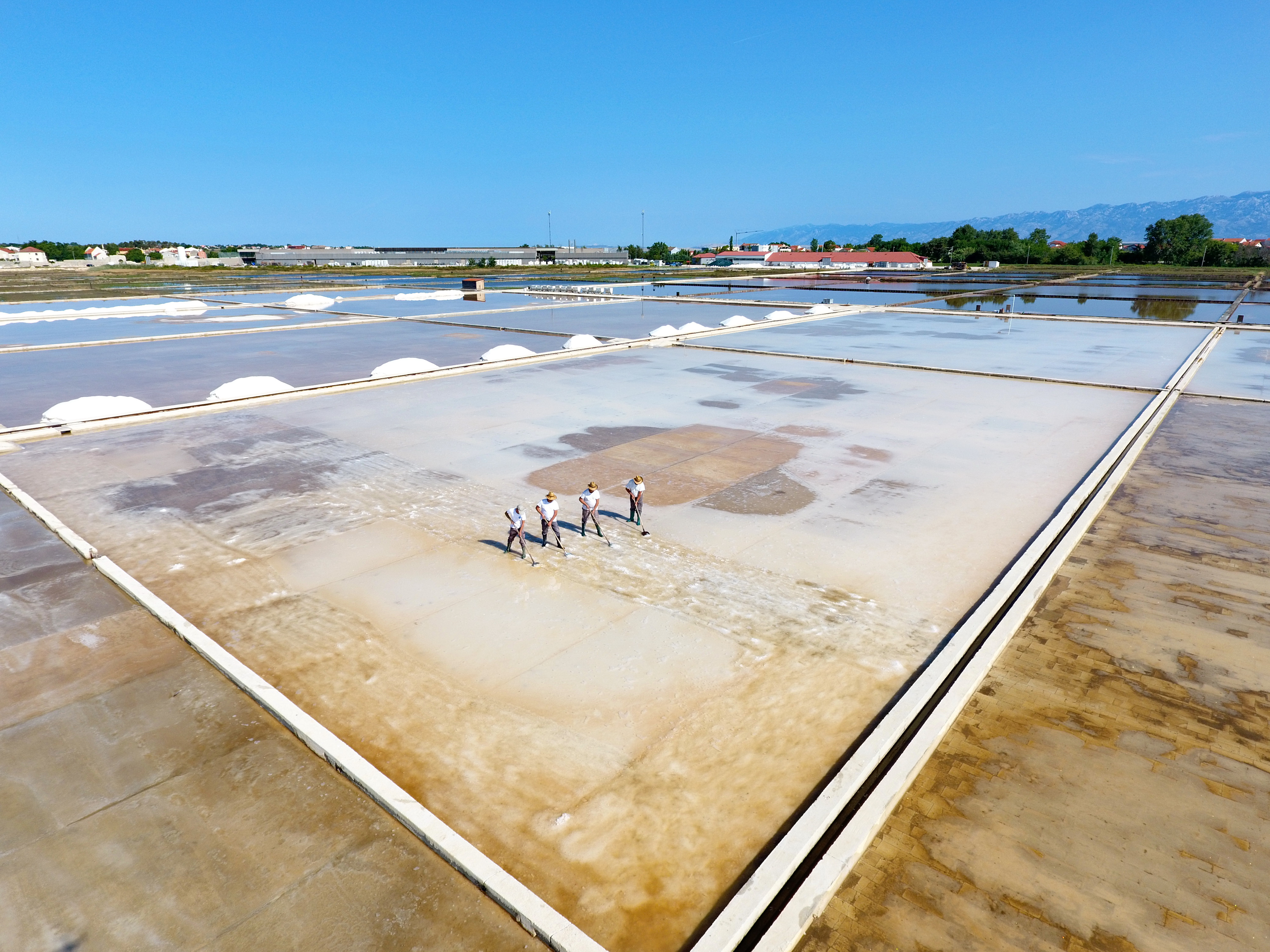
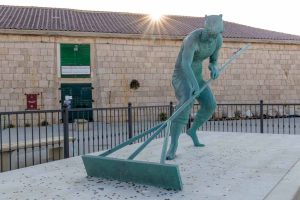
Salt is still harvested by hand here, just as it was long ago, with a great deal of love and joy. For generations, these salt fields have been blessed by the sun, the Adriatic Sea, and the powerful bura wind from Mount Velebit.
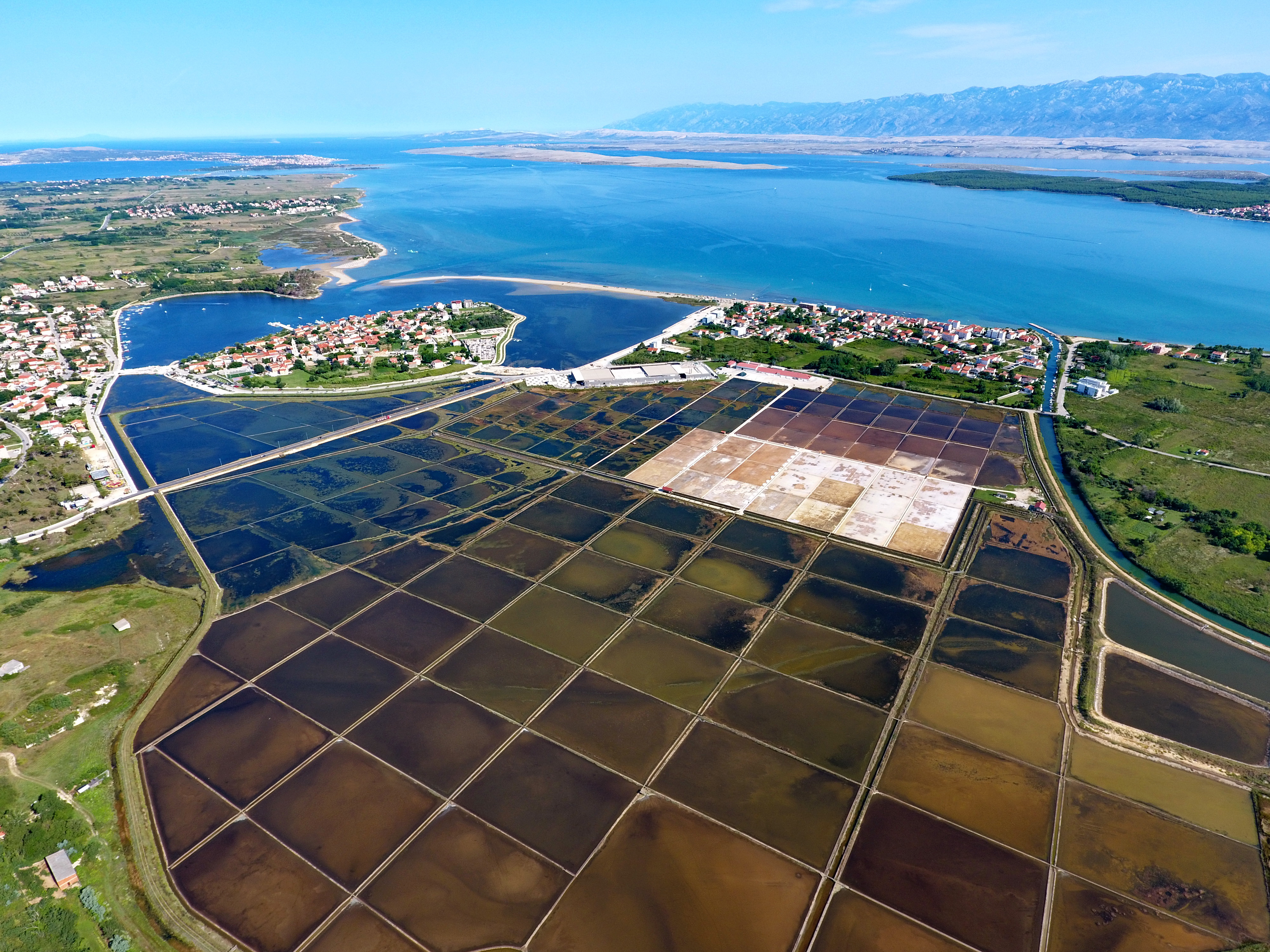
The saltworks spans 55 hectares, located within the shallow lagoon of the Nin Bay. There is no heavy industry or extensive agriculture in the wider area, and the saltworks is situated near five of Croatia’s national parks (Plitvice, Paklenica, Kornati, Northern Velebit, and Krka), which further attests to the pristine, untouched natural environment.
The Museum and Salt House
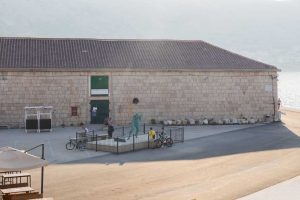
The saltworks includes a small museum called the “Salt House.” Here, you can step into the past with black and white photographs from long ago, old tools, and the wagons once used to transport salt from the basins to the warehouse. At the same time, you can explore the present through an interactive model of this unique nature reserve and watch a documentary film in Croatian with German and English subtitles.
Guided Tours
You can get a unique experience through several guided tours of the saltworks:
- The Educational Salt Tour: This tour tells the story of salt. A gentle walk past the basins teaches you how natural, ecological salt is produced, along with the process of crystallization and the tradition of manual harvesting.
- The House of Salt: Visit the captivating museum of the only ecological saltworks on the Adriatic. You’ll be inspired by its history, images, and the valuable traditions that are preserved for future generations.
- The Saltworker Experience: This package allows you to work alongside salt workers in both open and covered areas and walk along the levees and between the salt pans.
Events at the Saltworks
The Open Days event is held every year in June, July, August, and September, offering visitors a chance to visit the “Salt House” and enjoy expert-led tours for free. We want to use this event to share the true story of how this “white gold” is created in a completely natural way.
The Salt Festival is a traditional event that takes place every August. A series of organized activities throughout the day give visitors the opportunity to participate in the salt-making process themselves. This includes creative workshops for children and a manual salt harvest that anyone from 9 to 99 can try, as well as free guided tours.
Note: Walking through the fields is only allowed with guides during organized tours. When visiting the salt fields, it’s recommended to bring a hat, water, and sunscreen.
History
For centuries, the Nin Saltworks has been a source of life. It has fed generations and provided a home for many plants and animals. The love for salt is passed down from one generation to the next.
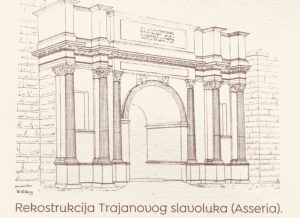
Even Roman emperors enjoyed the rich and full flavor of Nin’s salt at their feasts. The age of the saltworks is also proven by a Roman floodgate that is still in use today in the salt fields.
In ancient times, salt was traded for gold, ounce for ounce. It is well known that the Romans even paid their soldiers with our salt. The Roman term for this payment was salarium—the word from which the English word “salary” is believed to originate.
In 1423, the Venetians bought the saltworks on the Adriatic, including the Nin Saltworks, to monopolize salt production. For five centuries, there were no saltworks in the Nin area.
However, the area remained a vibrant and biodynamic ecosystem, and the Nin Saltworks was reopened in 1954. It continues to live and produce salt traditionally, in the same way it has for generations.
Location
Nin
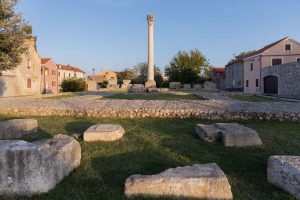
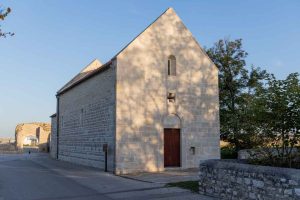
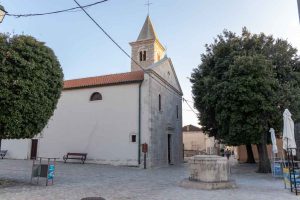
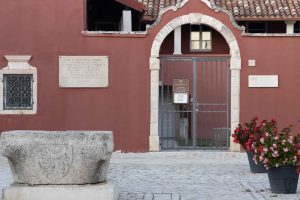
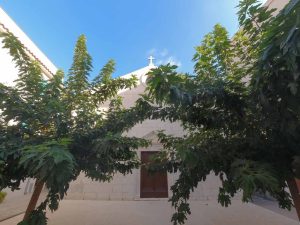
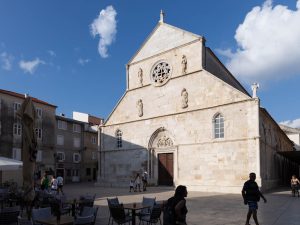
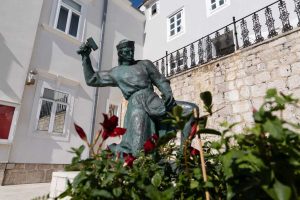
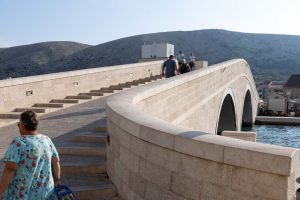
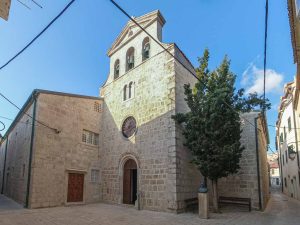
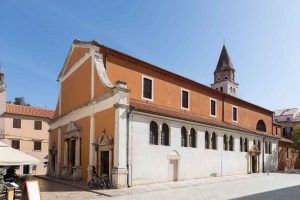
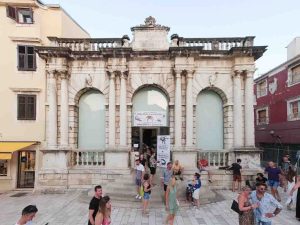
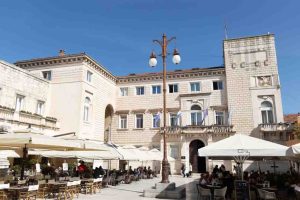
Nin (Aenona or Nona) is a town in the Zadar County of Croatia. Its historical center is located on an islet only 500 meters (yards) in diameter. It is situated in a lagoon on the eastern shore of the Adriatic Sea, surrounded by natural sandy beaches and linked to the mainland by two stone bridges from the 16th century. The present-day town on the islet was founded 3,000 years ago and is one of the oldest towns on the eastern Adriatic. The area of Nin was first colonized by ancient people of the Mediterranean.
Explore









Reviews
There are no reviews yet.