
Museum of Nin antiquities


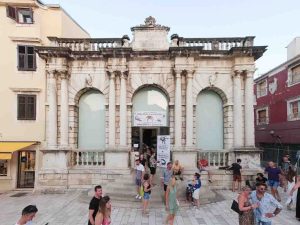
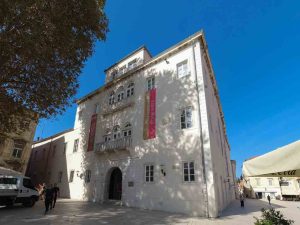
The Museum of Nin Antiquities holds the history of Nin, from prehistory and the Romans to Old Croatian artifacts, the Condura Croatica, and a replica of Višeslav’s Baptistery.
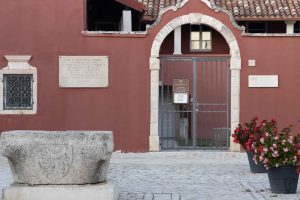
This museum is a satellite archaeological collection and a branch of the Archaeological Museum in Zadar. Located in the very heart of historical Nin, it serves as a key institution for presenting the rich archaeological and historical heritage of this ancient town. Its permanent exhibition, arranged in the late 20th century, provides insight into the long and complex history of Nin, from prehistory to the Middle Ages.
History and Foundation
The idea of establishing a museum in Nin has existed for a long time, but the Museum of Nin Antiquities, as a branch of the Archaeological Museum in Zadar, was officially opened in 1960. Its purpose was to preserve and display the numerous archaeological finds collected during systematic research of the Nin area, which was one of the most important centers in early medieval Croatia. The museum’s location in Nin allows visitors to see the artifacts in the immediate vicinity of their original locations.
Collections and Exhibits
Through its exhibition, the Museum of Nin Antiquities follows the development of Nin through different historical periods:
- Prehistory: This part of the collection includes finds from the Neolithic, Eneolithic, Bronze, and Iron Ages, testifying to the continuous settlement of the Nin area. Items from the Liburnian culture, the indigenous people who inhabited this area before the arrival of the Romans, are particularly notable.
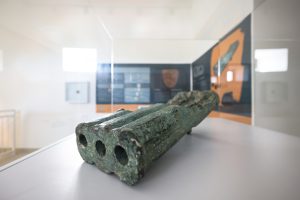
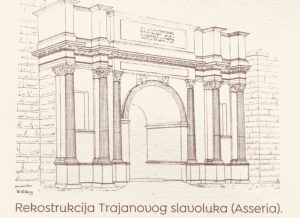
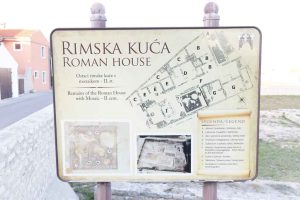
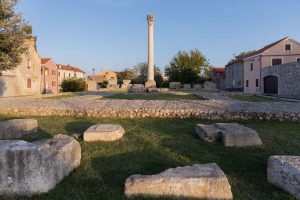
- Antiquity (Roman Period): Nin, then called Aenona, was an important Roman municipium. The museum’s exhibits from this period include stone monuments, inscriptions, sculptures, ceramics, glass, and metal objects, providing insight into the urbanization, daily life, and culture of the Romans in Nin. The remains of a Roman temple and mosaics are especially significant.
- Early Middle Ages (Old Croatian Period): This is one of the most important periods for Nin, which served as the first capital of the Croatian national rulers and a major ecclesiastical center. The museum displays items that testify to this golden age, including jewelry, weapons, church furniture with the recognizable Croatian interlace, and numerous stone fragments with inscriptions.
- Middle Ages: The collection also includes items from later medieval periods, documenting Nin’s development after its early medieval peak, including Venetian and Ottoman presence.
Notable Exhibits and Features
One of the most famous and valuable exhibits in the Museum of Nin Antiquities are the remains of two boats, known as the Condura Croatica. Found in the Nin harbor in 1966 and excavated in 1974, they are dated to the late 11th and early 12th centuries. These boats, 7-8 meters long, are considered to have been the smallest yet highly effective warships in history, mentioned by Emperor Constantine Porphyrogenitus in his work De Administrando Imperio when discussing the Old Croatian navy. A replica of the Condura Croatica can be seen today in the Nin harbor, while the original is preserved in the museum. The museum also has a copy of a part of the Serilia Liburnica boat from the 1st century, similar to those found in the ancient port of Zaton.
Among the extremely valuable exhibits is a replica of Višeslav’s Baptistery, dated to the 9th century. Although the original is kept at the Museum of Croatian Archaeological Monuments in Split, its faithful replica is on display in the Museum of Nin Antiquities. This marble baptistery has exceptional historical and artistic value, and it is particularly significant for its inscription mentioning Duke Višeslav, which is one of the few preserved written records of early Croatian rulers. It represents an important symbol of the Christianization of the Croats and the establishment of Christian rule.
As a branch of the Archaeological Museum in Zadar, the Museum of Nin Antiquities plays a key role in the research, protection, and presentation of Nin’s cultural heritage, offering visitors a unique glimpse into the area’s archaeological richness.
Location
Nin
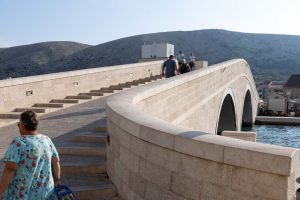
Nin (Aenona or Nona) is a town in the Zadar County of Croatia. Its historical center is located on an islet only 500 meters (yards) in diameter. It is situated in a lagoon on the eastern shore of the Adriatic Sea, surrounded by natural sandy beaches and linked to the mainland by two stone bridges from the 16th century. The present-day town on the islet was founded 3,000 years ago and is one of the oldest towns on the eastern Adriatic. The area of Nin was first colonized by ancient people of the Mediterranean.
Explore









Reviews
There are no reviews yet.