
Roman forum in Zadar


From the early days of Roman rule, Zadar gained its Roman urban character and developed into one of the most flourishing centers on the eastern Adriatic coast, a state of affairs that lasted for several hundred years.
The town was organized according to the typical Roman street system with a rectangular street plan, a forum, thermae, a sewage and water supply system that came from Lake Vrana, by way of a 40 kilometers or 25 miles long aqueduct. It did not play a significant role in the Roman administration of Dalmatia, although the archaeological finds tell us about a significant growth of economy and culture.
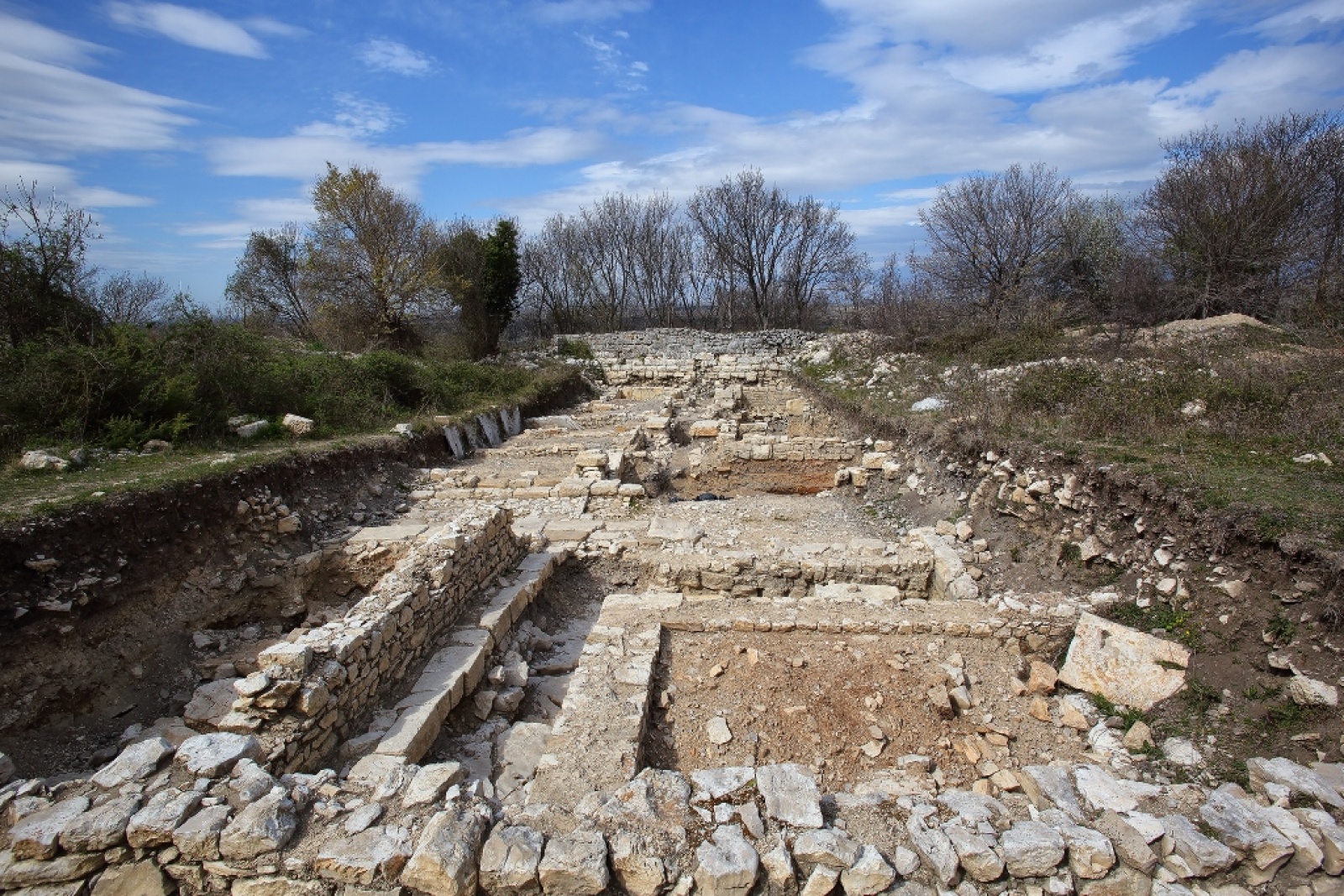
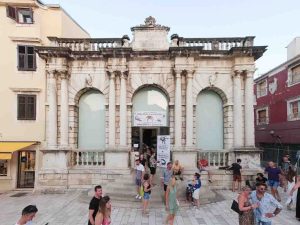
The Roman Forum in Zadar is the largest Roman Forum on the eastern side of the Adriatic Sea. It was the main square of the Roman Iadero where the public life of the city took place, and its construction began in the 1st century BC.
It was founded by the first Roman emperor Augustus, as evidenced by two stone inscriptions from the 3rd century when the construction of the forum was completed.
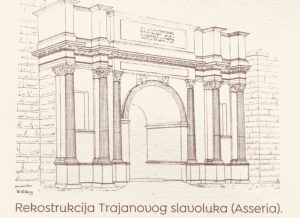
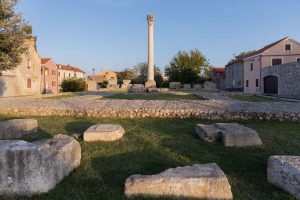
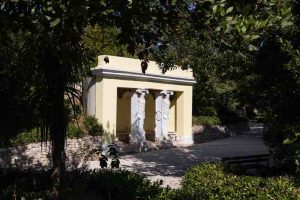
The forum measures 90 x 45 meters. It was closed by porticoes with galleries on the upper floor. Under the portico, there were shops and crafts shops. Today, only the stairs, the pavement, and two monumental columns have been preserved, one of which is in its original place.
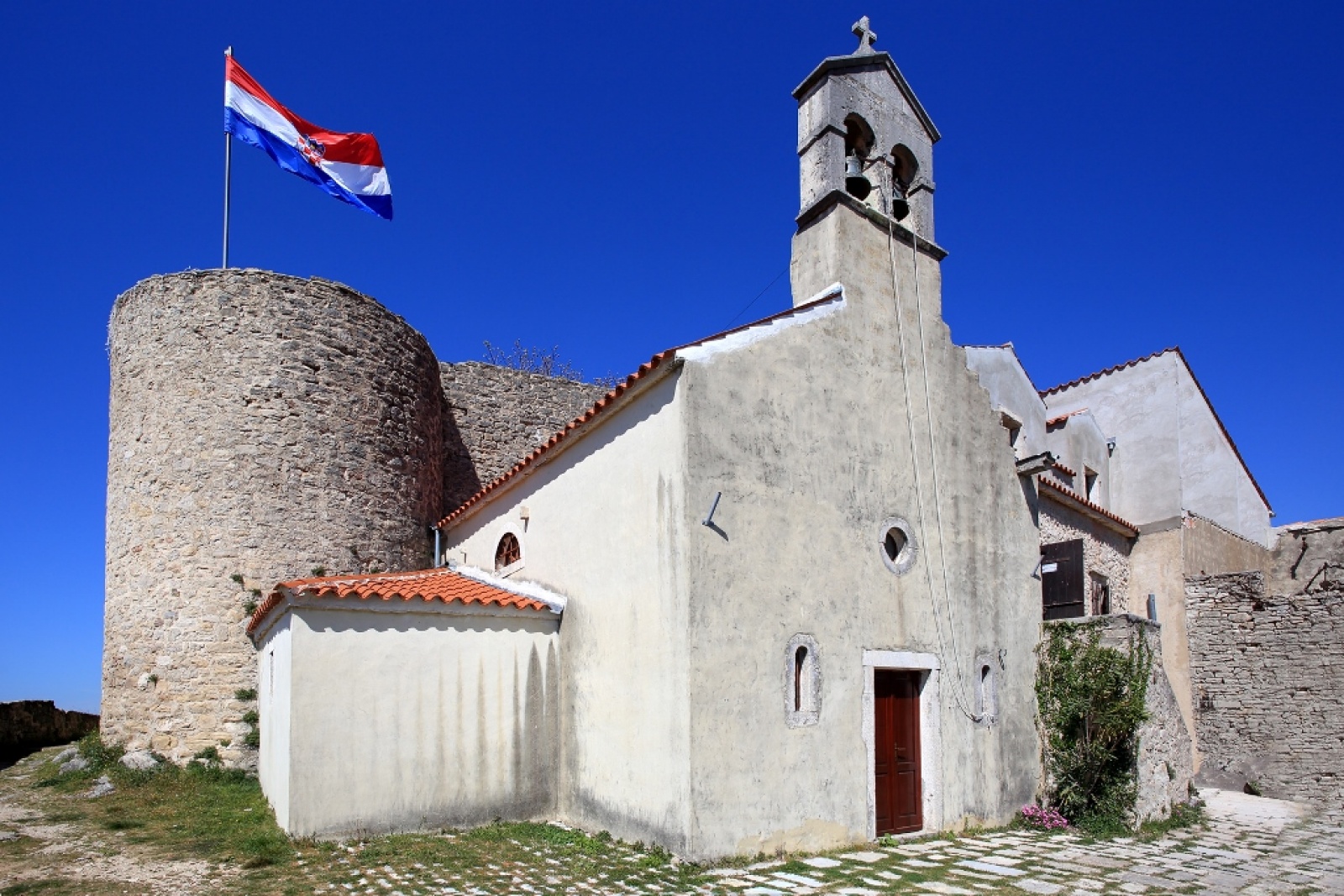
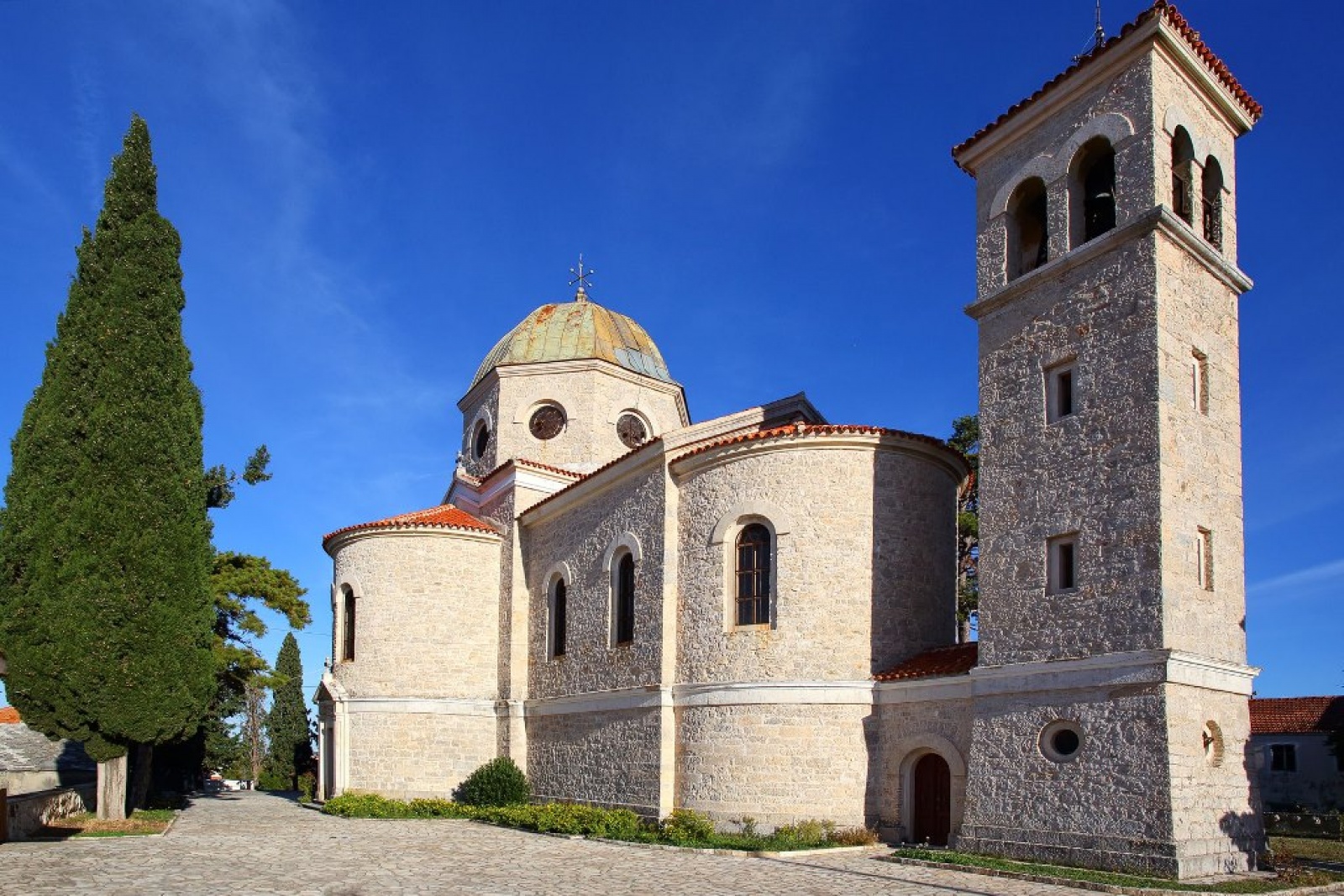
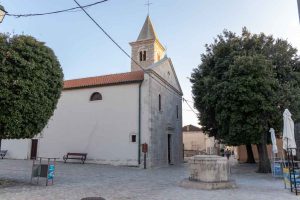
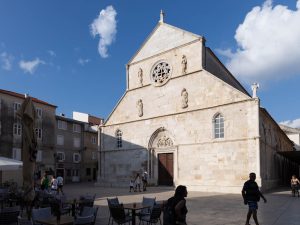
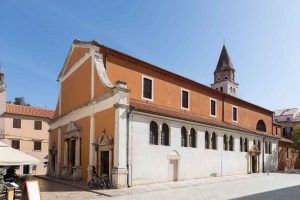
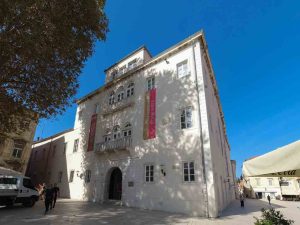
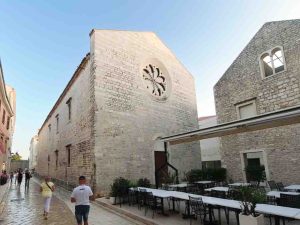
In the Middle Ages, the pillar served as a pillar of shame, as indicated by the chains nailed to it. On the site of the former capitol, the remains of an altar bed where sacrifices were offered during rituals were found. Even today, that place represents the origin of the planimetry of the city of Zadar. Later, on the foundations of the forum, the church of St. Donata and the Archbishop’s Palace.
Location
Zadar
Zadar is the oldest continuously inhabited city in Croatia. It is situated on the Adriatic Sea, at the northwestern part of Ravni Kotari region. Zadar serves as the seat of Zadar County and of the wider northern Dalmatian region. The city proper covers 25 km2 (9.7 sq mi) with a population of 71,000 in 2025, making it the second-largest city of the region of Dalmatia and the fifth-largest city in the country.
ExploreAncient Rome
Romans subdued the Greek colonial cities in the 3rd century BC. They imposed an organization based on a military-economical system. Furthermore, the Romans subdued the Illyrians in the first century BC and organized the entire coastal territory by transforming the citadels into urban cities. After that, the history of these parts is the history of the Illyrian provinces of the Roman Empire. Numerous rustic villas, and new urban settlements (the most impressive are Verige in Brijuni, Pula, and Trogir – formerly Tragurion) demonstrate the high level of Roman urbanization. There were at least thirty urban cities in Istria, Liburnia and Dalmatia with Roman citizenship (civitas). The best-preserved networks of Roman streets (decumanus/cardo) are those in Epetion (Poreč) and Jader (Zadar). The most perfectly preserved Roman monuments are in Pola (Pula); founded in the first century dedicated to Julius Caesar. It is full of classical Roman art such as: stone walls, two city gates, two temples on the Forum, and remains of two theaters, as well as the Arch from the year 30 AD, and the temple of Augustus built in the years 2 to 14 AD, and finally the Fluvian Amphitheater (so called – Arena) from the 2nd century. In the 3rd century AD, the city of Salona became the largest (it had 40,000 inhabitants) and most important city of Dalmatia. Near the city emperor Diocletian, born in Salona, built Diocletian’s Palace around the year 300 AD, which is the largest and most important monument of late antique architecture in the world. On its pathways, cellars, domes, mausoleums, arcades and courtyards we can trace numerous different art influences from the entire Empire. In the 4th century, Salona became the center of Christianity for the entire western Balkans. It had numerous basilicas and necropolises, and even two saints: Domnius (Duje) and Anastasius (Stošija).
Explore









Reviews
There are no reviews yet.