
The Benedictine Convent of Pag: Keeper of UNESCO Heritage, Local Flavors, and a Thorn from Christ’s Crown


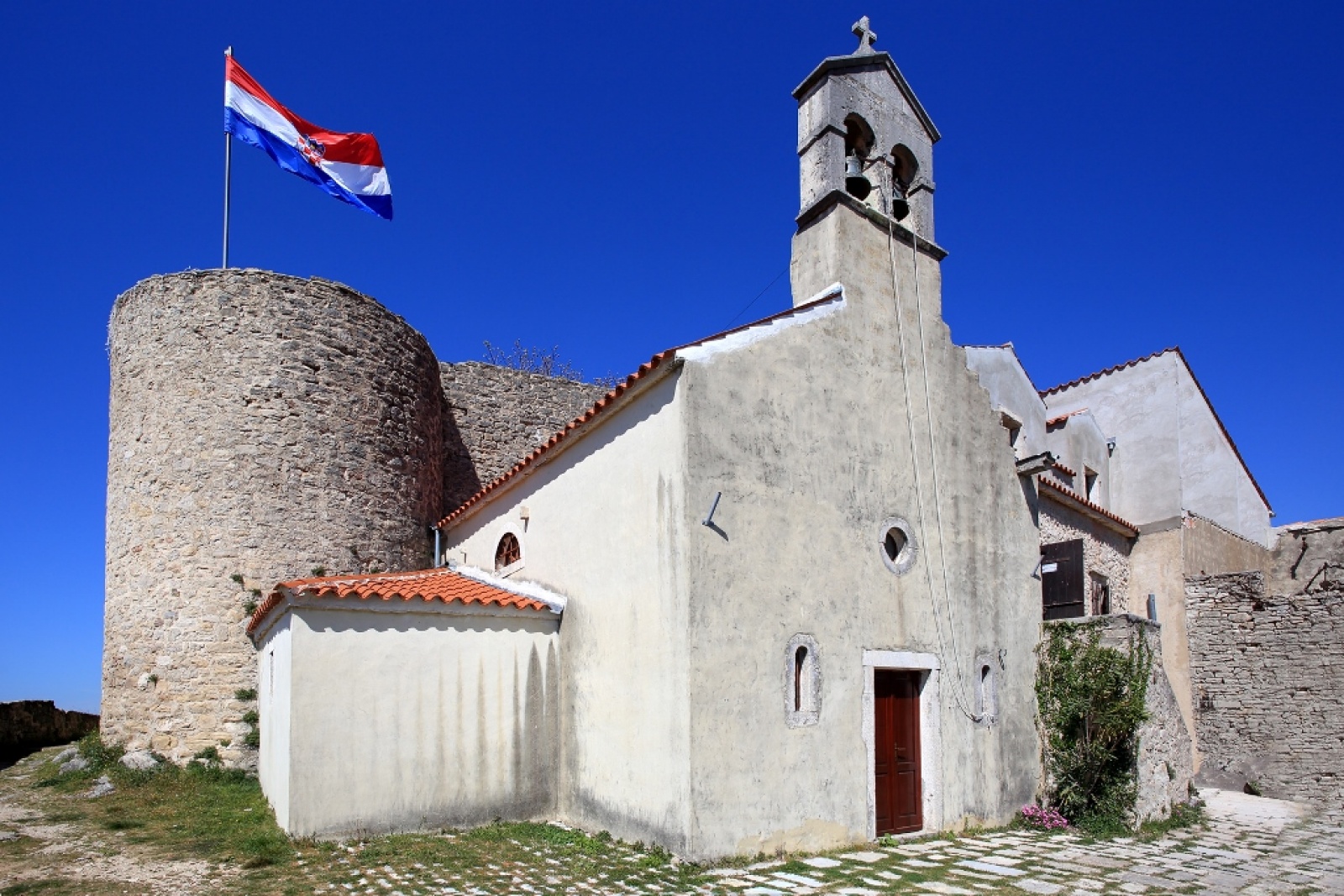
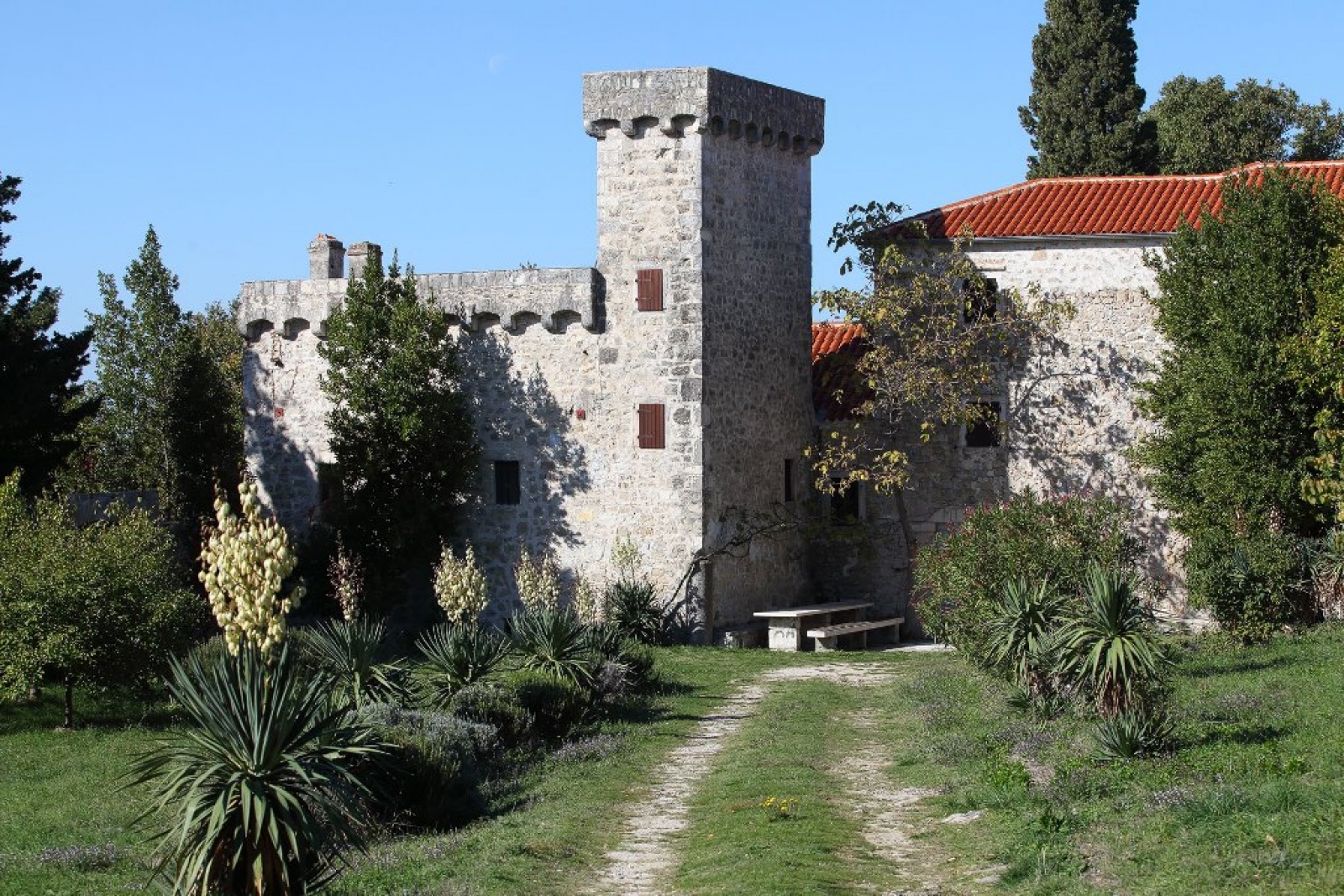
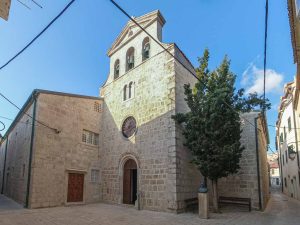
Tucked away in the northwest corner of Pag’s old town, leaning against the ancient city walls and the single remaining Skrivanat Tower, stands the Benedictine Convent of St. Margaret.
More than just a historic landmark, this convent is the beating heart of Pag’s tradition, art, and gastronomy.
The Convent and the Church of the Annunciation
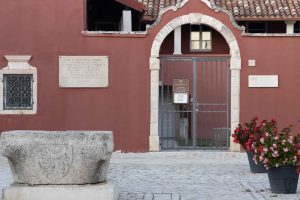
The spacious convent building, permeated by a tranquil atmosphere, was constructed in the 15th century concurrent with the founding of “New Pag.” Its construction is credited to the Pag canon Juraj Slovinja, which enabled the Benedictine nuns to move safely from the Old Town.
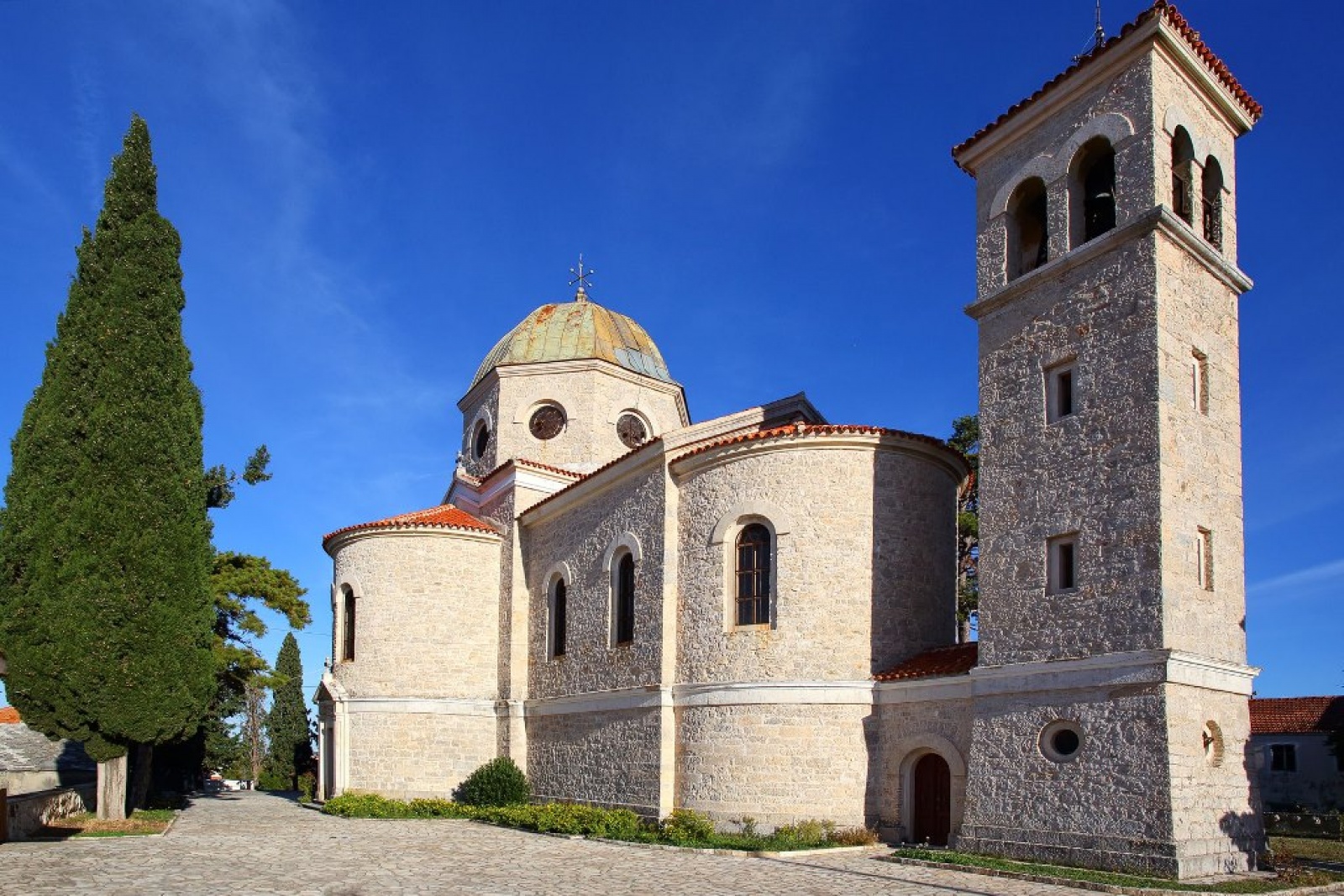
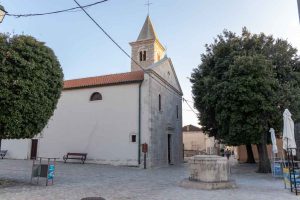
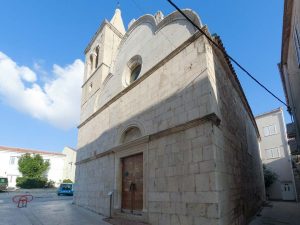
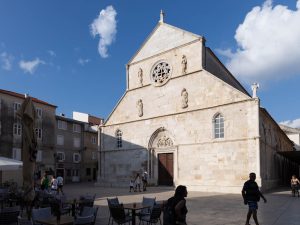
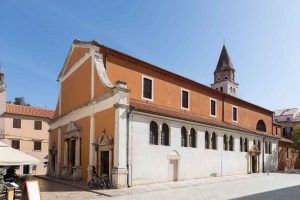
Adjacent to the convent is the simple, single-nave Church of the Annunciation of the Virgin Mary. Completed in 1483, it has a Latin cross shape with a semicircular apse and two rectangular chapels. The building of the Chapel of St. Nicholas (later Our Lady of Mercy) was entrusted by the noble Mišolić family of Pag to master Juraj Dalmatinac, who later passed the work to his apprentice, Radmilo Alegretti.
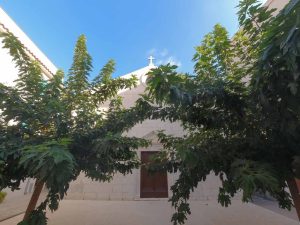
In the convent courtyard, where Mediterranean herbs still grow, you’ll find a wellhead brought from the Old Town dating back to 1353. According to local legend, the well miraculously filled with drinking water during a severe drought after the people of Pag prayed to the Mother of God.
Art and the Sacred Treasure: The Holy Thorn
The Benedictine nuns, who live in strict cloister and rarely leave the convent walls without the abbess’s permission, preserve a large collection of high-level medieval art.
The most significant item in the convent is the Reliquary of the Holy Thorn. This reliquary holds a relic from Christ’s Crown of Thorns and was made in a Zadar goldsmith’s workshop.
The nuns have guarded this relic since 1443. The Holy Thorn of Pag is the only one in the world—aside from the complete Crown of Thorns in Paris’s Notre Dame Cathedral—to possess an Authentica, the official confirmation from the Holy See regarding its genuineness, reaffirmed in 1788 by the Congregation of Rites.
Historical sources record three papal envoys (visitors) who, at different times, recognized the Thorn’s authenticity with the words, Esse de corona Domini! (Latin for: “It is from the Crown of the Lord!”).
According to records, the relic was brought in 1443 by Friar Ivan Tutnić to his sister, the nun Marija, for her monastic profession, along with a formal document (the Pag Charter) detailing the gift. The Relic is celebrated on May 4th. A procession through the streets of Pag was held regularly for five hundred years, from 1445 until 1945, when it was banned by the communist Yugoslav authorities. It has been held again since the establishment of the Republic of Croatia.
Other treasures include:
- A 14th-century silver altar cross of St. Benedict.
- A 15th-century reliquary of St. Clare.
- A Gothic-Renaissance Madonna in tempera on wood from the 15th century.
A Noble Convent, a School, and the Art of Lace
The Convent of St. Benedict’s nuns was known as a “noble convent” because the nuns were primarily from the aristocratic class. From the 16th century, the nuns taught girls lace-making and literacy. During the French occupation (1807), children were taught reading, writing, and handicrafts—especially lace—for free in the convent.
From 1842 to 1896, a women’s elementary school operated here with professional teachers who specialized in teaching lace-making. The convent and school were even visited by Emperor Franz Joseph in 1875, and later by Archduchess Maria Josepha, a patron of folk art in Dalmatia.
During WWII, the convent and its soup kitchen were supported by Croatian Caritas and Archbishop Alojzije Stepinac, who helped feed the poor and children. During the Croatian War of Independence, the nuns were linked with Caritas in Italy and France, helping the suffering population, refugees, and displaced persons.
Pag Lace: Threads of UNESCO Heritage
You can’t talk about Pag without mentioning its finest export: Pag Lace. It is the essence of Pag’s textile craft, with its core motif—the eternal Gothic quatrefoil—remaining unchanged since the Renaissance.
The Benedictine nuns were crucial in preserving and transmitting this skill. For centuries, they used the lace for liturgical vestments and taught Pag women, even opening an official lace-making school in 1840.
Today, Pag Lace, along with lace from Lepoglava and Hvar, is inscribed on the UNESCO Representative List of the Intangible Cultural Heritage of Humanity (since 2009).
Paški Teg
The term “Paški Teg” is an archaic word in the local Central Chakavian dialect meaning “Pag Work”. It’s a specific expression in lace-making, referring to the matrix of early Renaissance lace with a geometric pattern (raport). It describes the style of antique ornamentation that developed from the “unraveling” of woven cloth, often used for decorations on the front of shirts.
The Flavors of Pag
The convent’s famous baked goods—Baškotin and Koludraška Štrika—also constitute part of Pag’s intangible cultural heritage.
Baškotin – The Twice-Baked Sweet Cracker
Paški Baškotin is a hard, sweet rusk (or cracker). It belongs to a group of pastries originating from Roman culture and certain Italian regions (from the Latin biscoctus, meaning “twice-baked”). This delicacy spread across the Mediterranean, and the Convent of St. Margaret preserves the specific skill of its preparation.
Koludraška Štrika – The Luxurious Sister’s Plait
Koludraška Štrika (literally: “Nun’s Plait”) gets its name from the koludrice (nuns) who hand-make this luxurious treat using an old convent recipe. It consists of dough filled with ground almonds and walnuts, enriched with spices, lemon zest, and maraschino liqueur. Similar to the famous Rab Cake, it belongs to a special group of Mediterranean holiday desserts. The nuns bake it for special occasions—baptisms, weddings, and major holidays—highlighting its vital role in connecting the Benedictine community with the people of Pag.
The Convent of St. Margaret remains a permanent witness to Pag’s history and continues today to promote Christian and Benedictine values.
Location
Gothic
Gothic appeared relatively late in Croatia. In addition to the 13th and 14th centuries, as long as it lasted in Europe, its influence is also visible in the 15th and 16th centuries – for example, on the Trogir and Sibenik cathedrals. Also on the territory of Croatia, you can often see admixtures of Romanesque and Renaissance in Gothic buildings. Gothic influence from European countries adapted to its possibilities and needs and thus created a “domestic artistic expression”. This mixture of styles is most pronounced in Dalmatia. The northern regions were exposed to the influences of Central Europe, while the coastal regions tied their artistic expression to Italian models.
ExploreRenaissance
In the 15th century, Croatia was divided between three states – northern Croatia was a part of the Austrian Empire, Dalmatia was under the rule of the Venetian Republic (with the exception of Dubrovnik), and Slavonia was under Ottoman occupation. Dalmatia was on the periphery of several influences, equidistant from Italy, Ottoman Bosnia, and Austria, so it drew influence from all. In those circumstances in Dalmatia flourished religious and public architecture with clear influences of the Italian Renaissance, but still original.
Explore








Reviews
There are no reviews yet.