
Fortica Fortress Near the Pag Bridge: Where King Bela IV Hid


According to a local legend, the people of Pag welcomed and temporarily sheltered Hungarian King Bela IV at the ancient Fortica fortress as he was fleeing from an attack by the Mongol army.
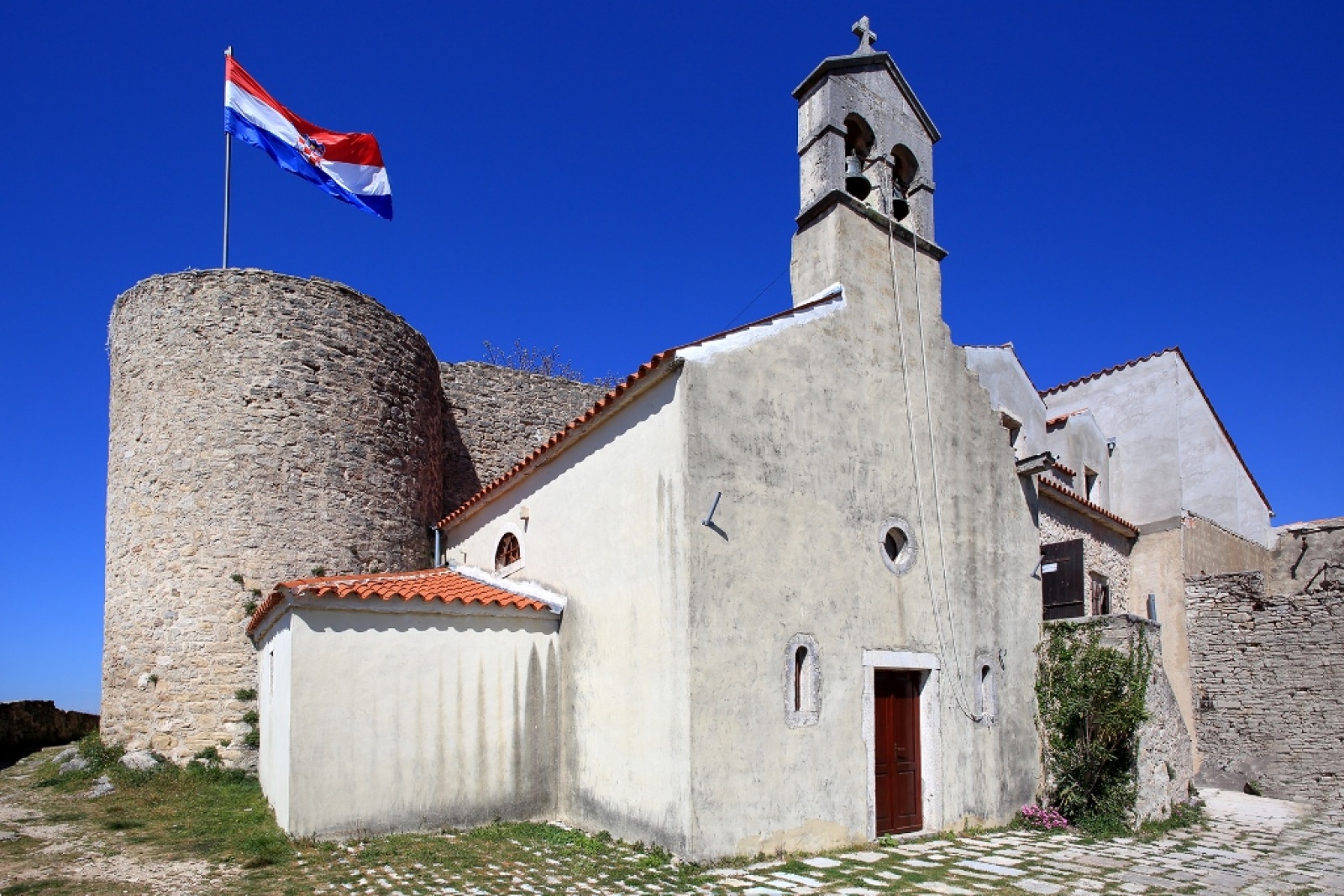
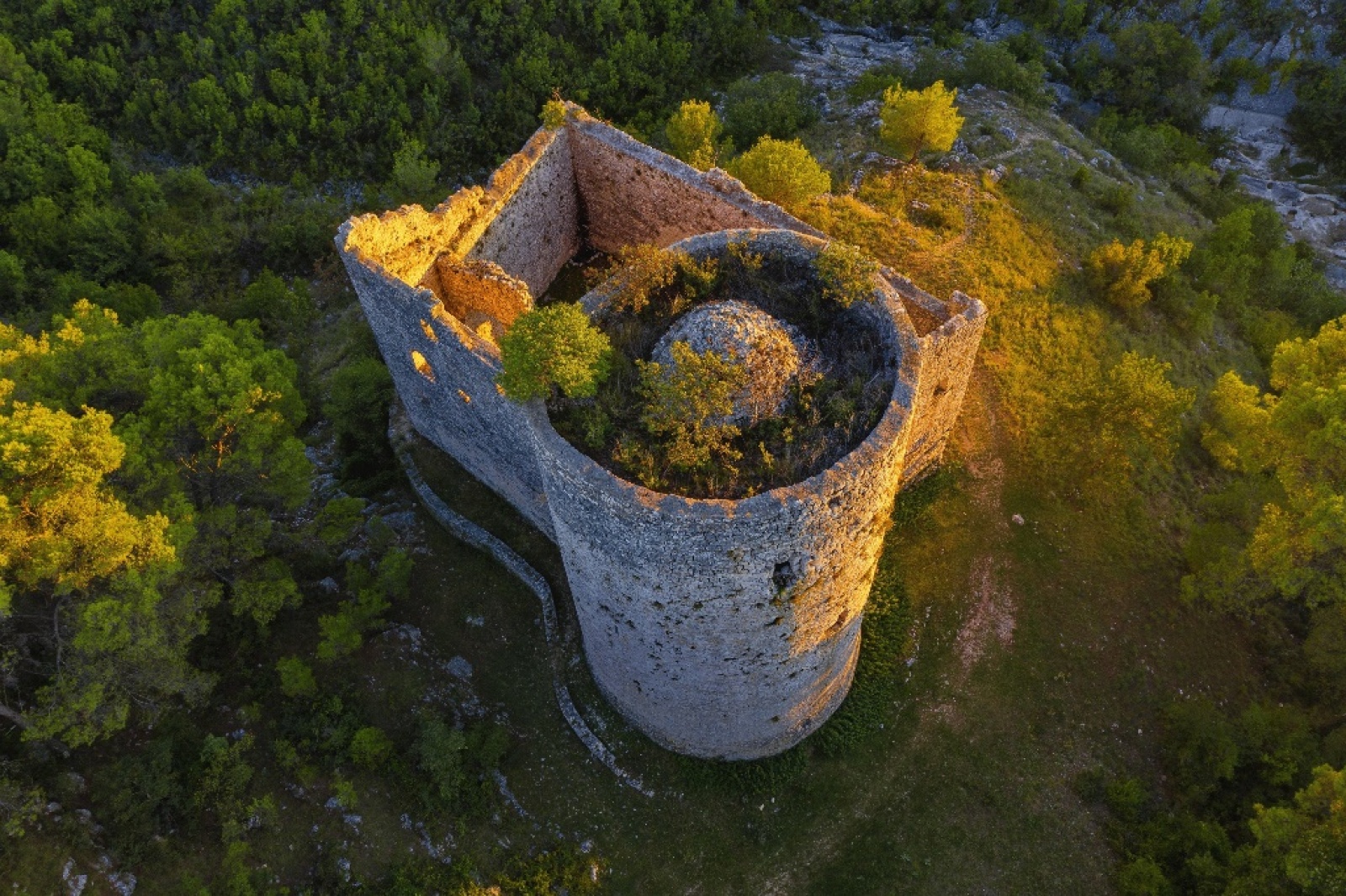
The Fortica fortress, also known as the “Fortica of Ljubač,” is located on the southern part of Pag Island, right next to the Pag Bridge. It was built on the elevated point of Fortica Cape and is listed as a protected cultural heritage site of the Republic of Croatia.
Historical Significance and Role
The construction of Fortica dates back to the early 17th century. Its main purpose was to control passage between the island of Pag and the mainland, specifically from the Velebit Channel, through the Ljubač Gate, and into the Zadar Channel.
The island of Pag was on a vital sea route for merchant ships traveling between the northern Adriatic and Dalmatia. In addition to controlling maritime traffic, Fortica also protected the island from the frequent pirate attacks on this route. It also prevented illegal trade and defended the Pag saltworks—a source of wealth that was often at the center of conflicts.
Fortica was in use throughout the 17th and 18th centuries but was abandoned in the 19th century after the brief French rule.
Architecture and Appearance
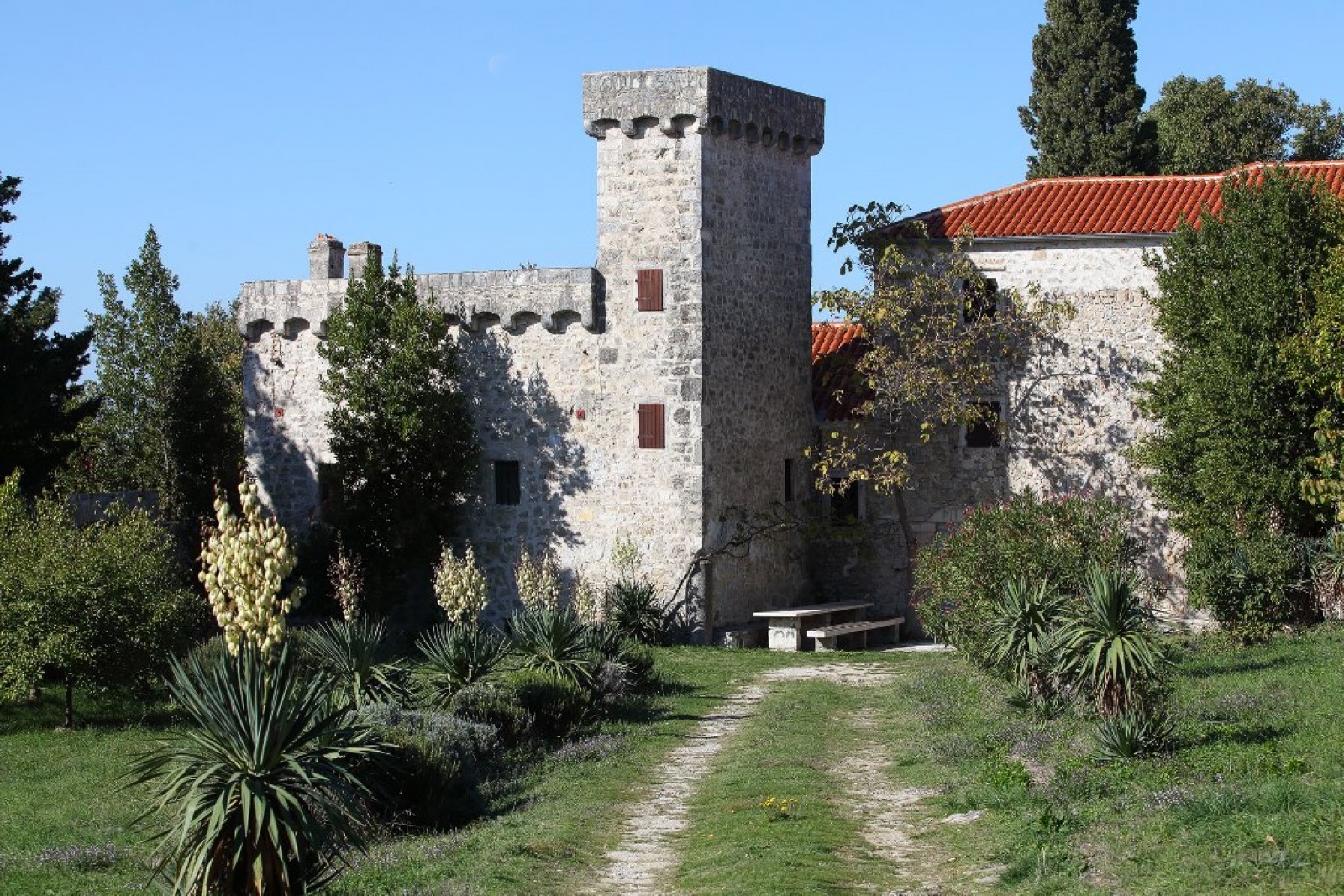
Fortica is a massive, square-shaped tower built from local, rough-hewn stone. The central structure was a defensive and residential tower.
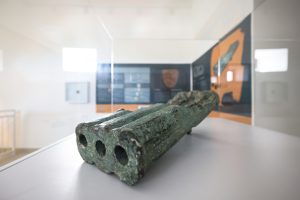
It had a platform for cannons above the cliff. The walls were equipped with loopholes, which increased the combat power of the artillery. Two defensive walls extend from the central tower, following the terrain towards the cliff facing the modern-day bridge, and its walls still stand strong against the bura wind. Fortica is the most valuable fortified complex on the island, second only to the remains of the old town of Pag.
Fortica Today
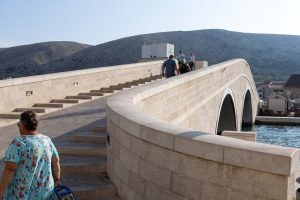
From Fortica, there is a wonderful view of the Pag Bridge and the channel below it. The Pag Bridge itself, which connects the island to the mainland, is also a significant landmark: during the Croatian War of Independence, it was the only link between southern and northern Croatia and was successfully defended against enemy attacks in 1991.
Today, the Fortica fortress has been restored and is a popular tourist attraction. Its centuries-old story and historical role are considered a true gem of Croatia’s cultural heritage.











Reviews
There are no reviews yet.