
International Centre for Underwater Archaeology in Zadar – Monastery of St. Nicholas


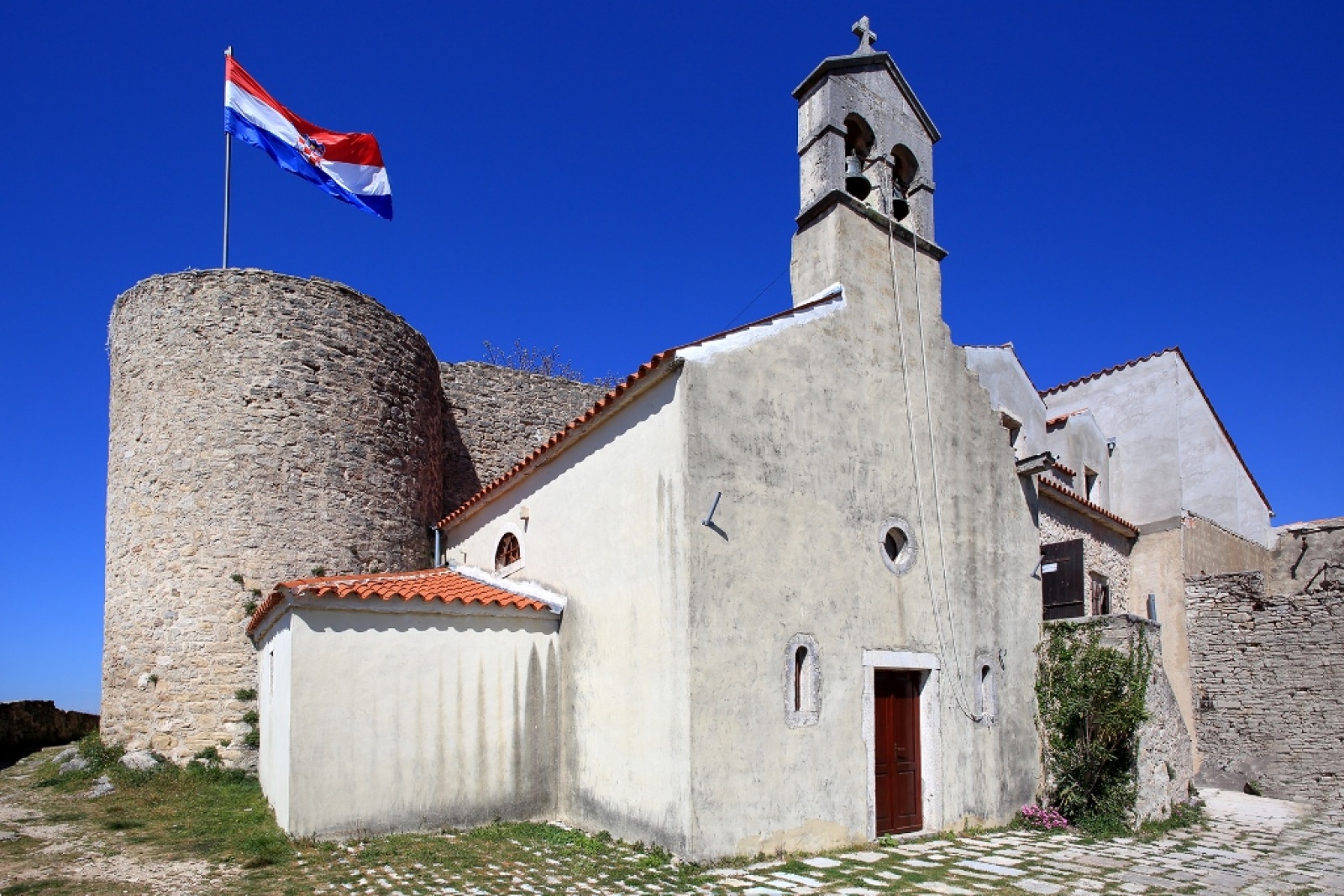
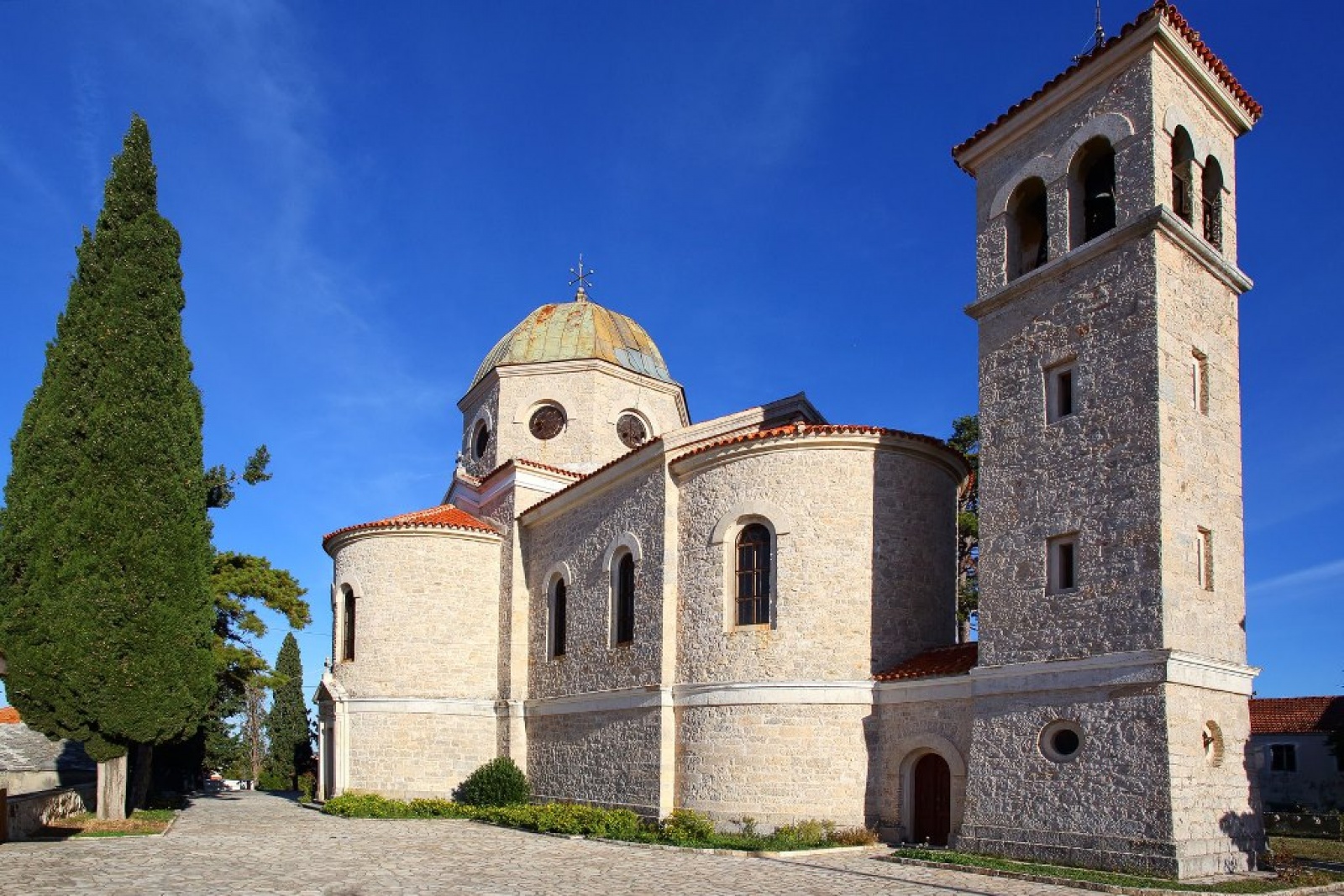
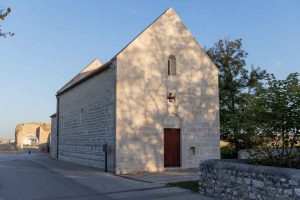
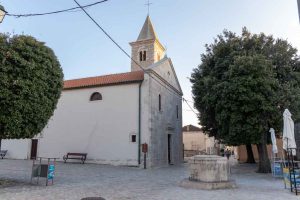
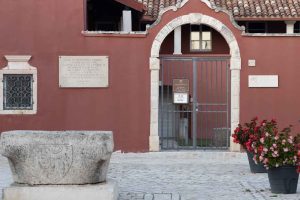
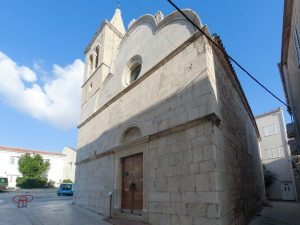
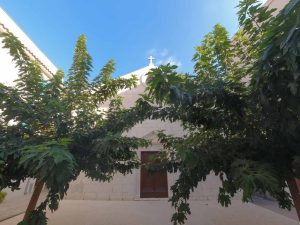
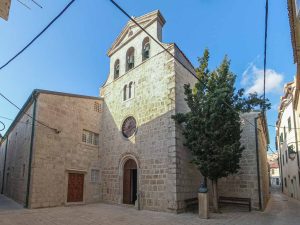
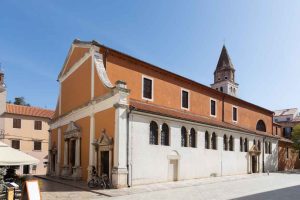
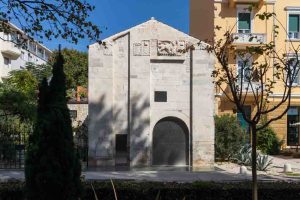
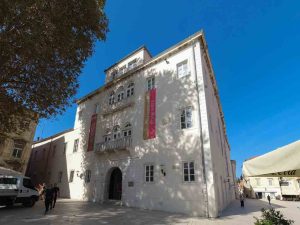
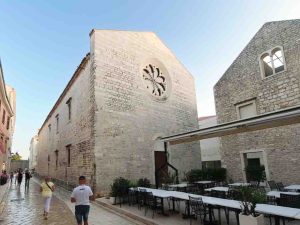
The International Centre for Underwater Archaeology in Zadar is located in the complex of the former church and monastery of St. Nicholas on Zadar peninsula.
Its remains lie on numerous archaeological layers originating from Prehistoric times, through the Ancient, Middle Ages, and Modern periods.
The first data on the construction of St. Nicholas church originates from the 11th century, and it has been inhabited by Benedictine nuns – nuns of the Order of Poor Clares since the 13th century. Visible remains of the belfry, the construction of which dates back to the 12th century, were preserved from that period.
After several phases of building and numerous changes that the complex underwent, the construction of today’s St. Nicholas church began in 1760 and it was desacralized as early as 1798, when it served as a barrack, military hospital, and archive space during the last decades of the 20th century.
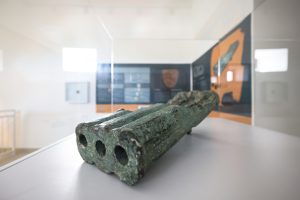
The primary goal of the ICUA is to conduct research, conservation, restoration, and promotion activities related to underwater cultural heritage, particularly at the international level. The Zadar center has emerged as a significant hub for these activities in this part of Europe, focusing on developing and disseminating modern research methods in underwater archaeology, conservation, restoration, as well as providing training and facilitating knowledge exchange.
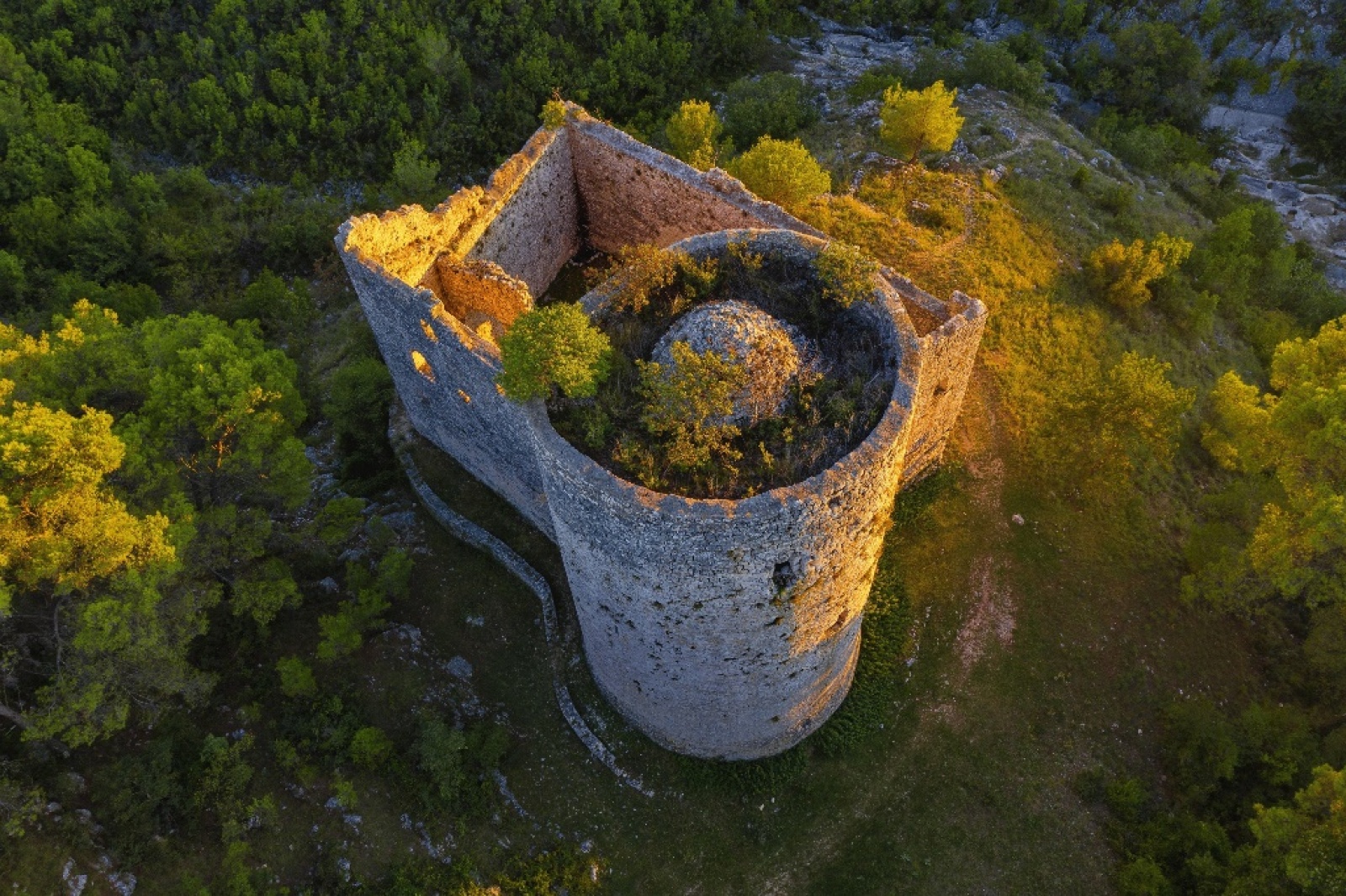
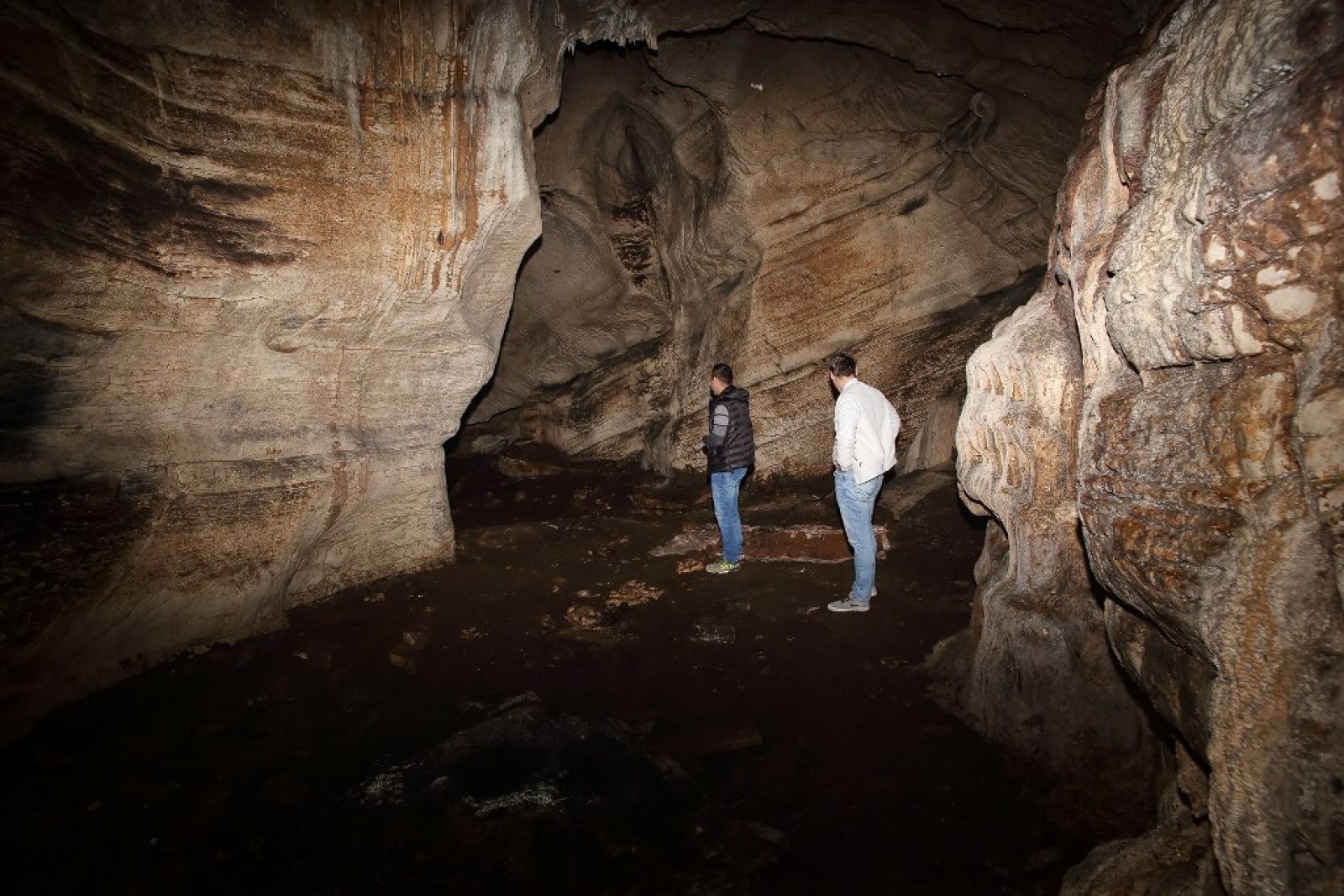
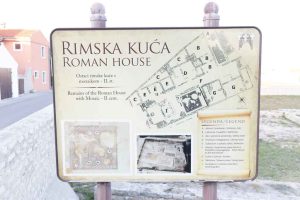
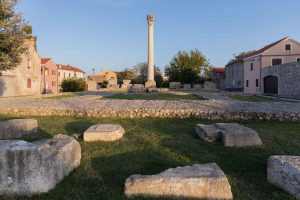
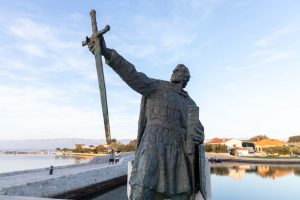
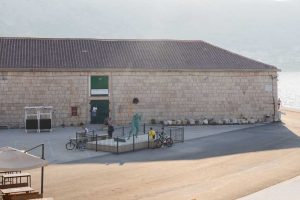
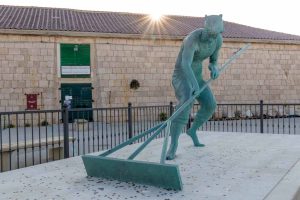
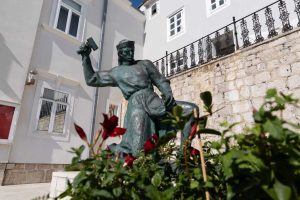
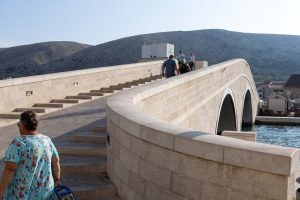
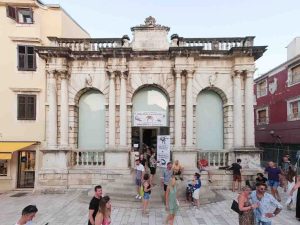
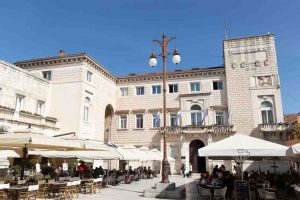
The first two photos are for illustration purposes only!
Location
Zadar
Zadar is the oldest continuously inhabited city in Croatia. It is situated on the Adriatic Sea, at the northwestern part of Ravni Kotari region. Zadar serves as the seat of Zadar County and of the wider northern Dalmatian region. The city proper covers 25 km2 (9.7 sq mi) with a population of 71,000 in 2025, making it the second-largest city of the region of Dalmatia and the fifth-largest city in the country.
ExploreBaroque
One of the most remarkable periods in Croatian art history is the Baroque, which lasted from the 17th to the late 18th century. During this time, Croatia was reunited with the parts of its territory that were occupied by the Venetian Republic and the Ottoman Empire, after centuries of fragmentation and division. This reunification not only brought political stability and economic prosperity but also stimulated a cultural revival and a flourishing of art in every segment.
ExploreRomanesque
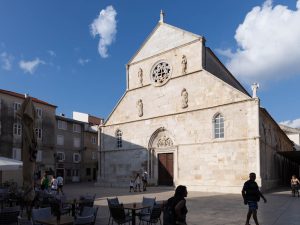
In the 11th century, monumental cities were built along the entire Dalmatian coast. Houses were constructed from stone. On the ground floor there were shops or taverns (natively – konoba), seen today in cities such as Poreč, Rab, Zadar, Trogir, and Split. In those cities the most important buildings were churches. They were commonly stone-built basilicas with three naves, three apses, columns, arches, arcades and wooden roofs, and were erected near the monasteries of Benedictine monks who came out of Italy. St. Peter in Supetarska Draga on the island of Rab (11th century) is the best-preserved church of that type in Croatia. On the same island is the Cathedral of Rab (12th century) has a high-Romanesque bell tower, the largest in Dalmatia. It is specific with its openings, which multiply with each level of floor (Latin: mono-fore, bi-fore, tri-fore, quadro-fore). This is typical for Romanesque architecture, but also architecturally innovative, as each floor is slightly lighter than the one below.
Explore









Reviews
There are no reviews yet.