
Captain’s Tower and 5 Wells Square
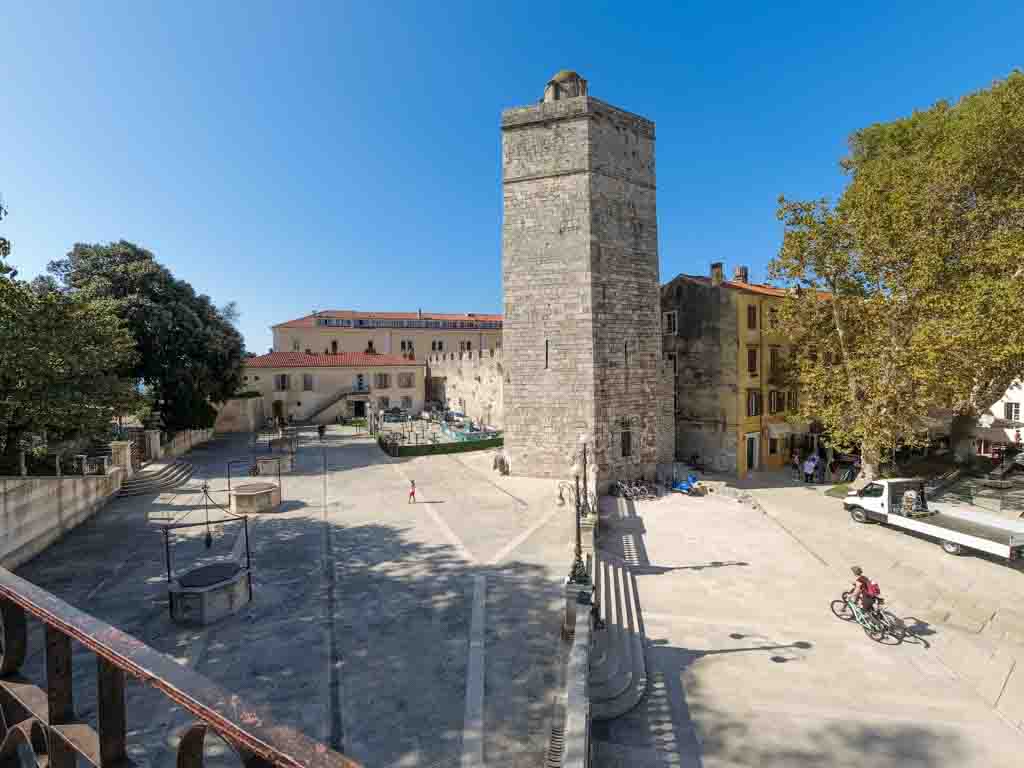
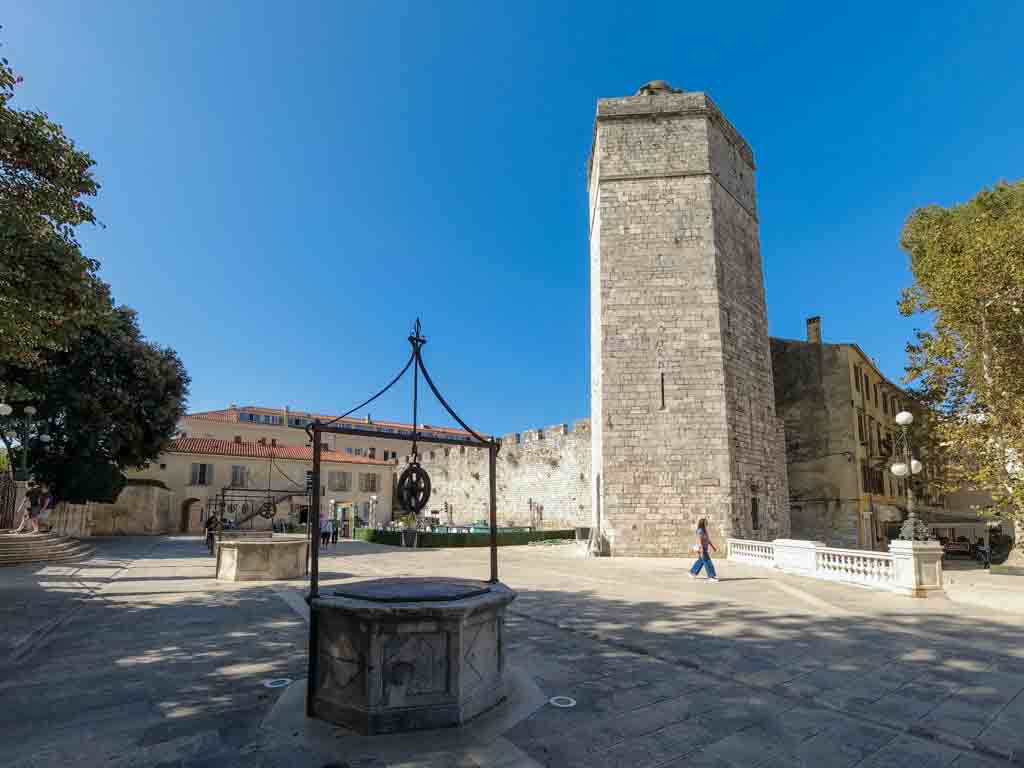
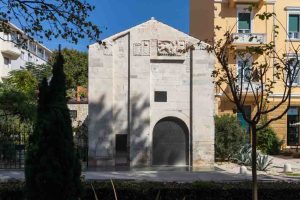
The Captain’s Tower in Zadar once served both as a fortification and a prison, but today it functions as an exhibition space. It gets its name from its proximity to the Captain’s Palace.
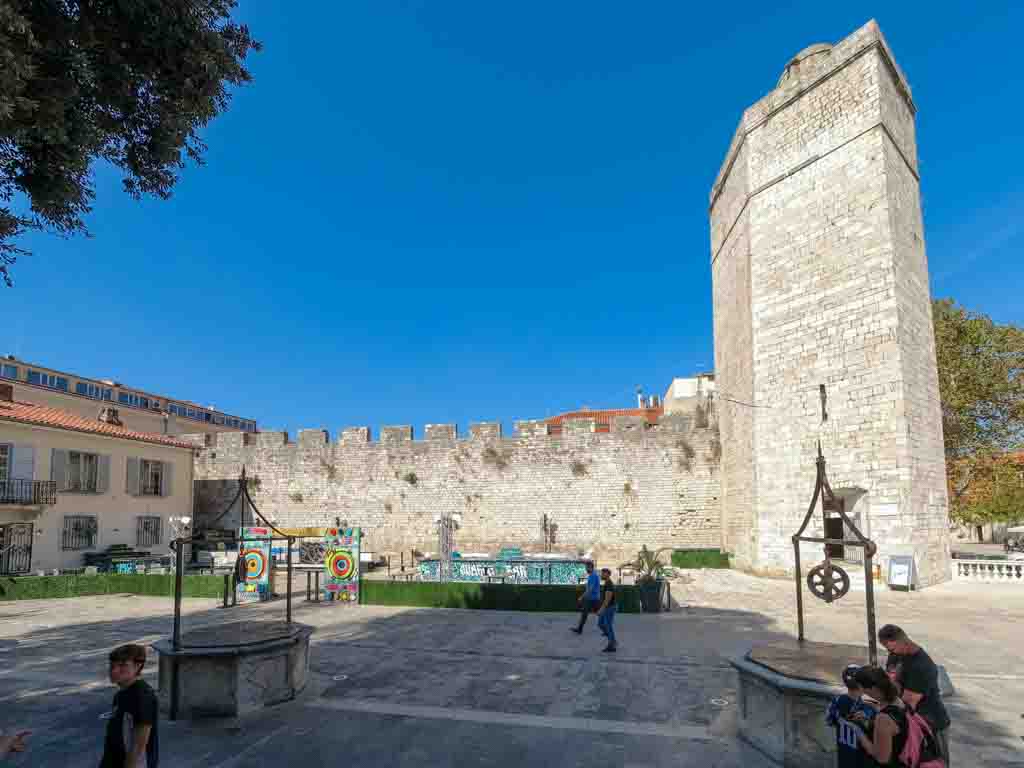
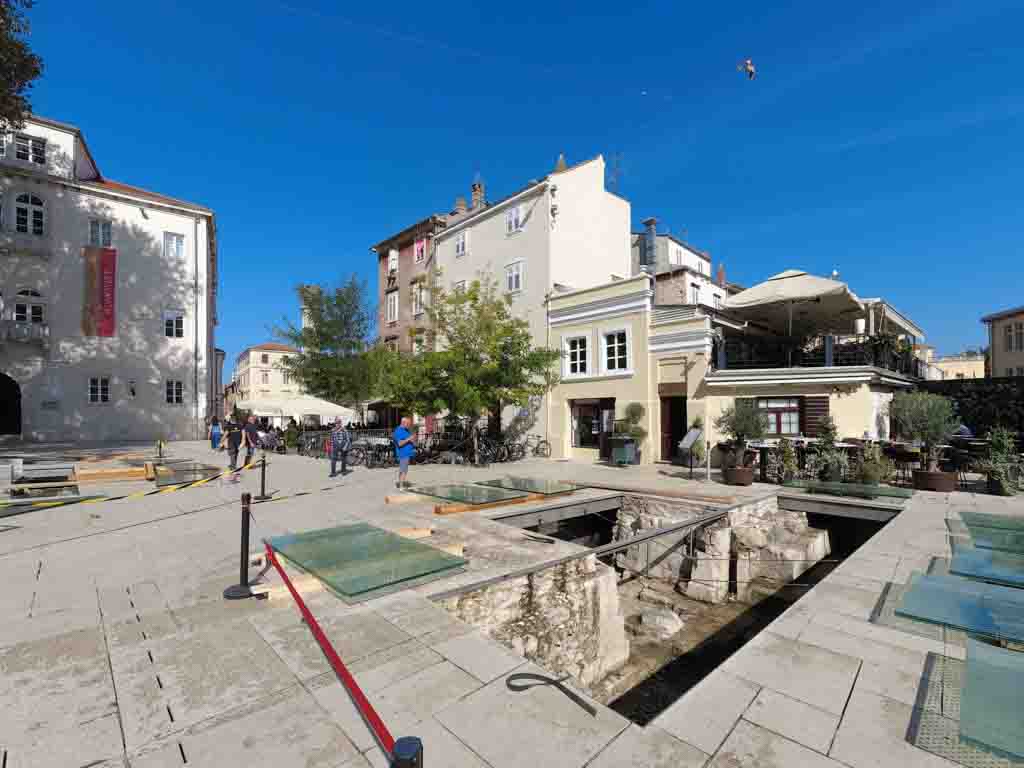
This 26-meter-tall tower, along with a perfectly preserved medieval city wall and remnants of medieval city gates (visible under the glass paving in Petar Zoranić Square), are all part of a 13th-century fortification system.
Design and Evolution
The Captain’s Tower is the only remaining tower with a pentagonal layout from the city’s medieval fortification. Over time, the tower underwent several renovations, including the addition of new gates, extra floors, a terrace, and a dome. While the loopholes on the first floor remain from its original design, the dome and terrace date back to the 18th century, and the entrance gates were added in the 19th century.
Defensive Innovations
An defensive moat once lay in front of the medieval wall. In the 16th century, this moat was transformed into a large cistern featuring five ornate wellheads or “wells.”
With the advent of firearms in the 15th century and the Ottoman Empire’s expansion into Europe, the threat of a Turkish siege on the city grew. Intense work on a new fortification system in Zadar began during the Venetian-Ottoman War of 1537–1540. Consequently, in the 16th century, Michele Sanmicheli and Giangirolamo Sanmicheli constructed a new defensive system with three bastions, incorporating the latest technical advancements and adapting to the evolving circumstances.
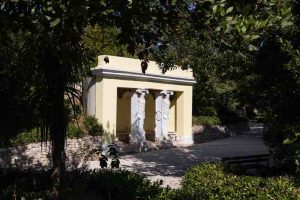
In 1537, construction began on the Grimani Bastion, also known as Ponton, which is now Queen Jelena Madijevka Park. The defensive moat was converted into the city’s largest drinking water cistern, now known as the Five Wells Square.
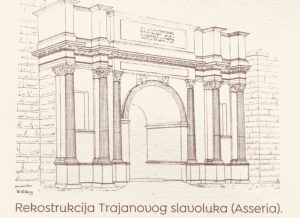
A few meters west of the medieval wall and the Captain’s Tower, you can find remnants of an even older Roman wall and the city’s ancient entrance.
Modern Landmark
Today, the Captain’s Tower, together with the Renaissance-era Five Wells Square, has become a popular spot for photography. It’s often said that if you haven’t taken a selfie there, you haven’t truly been to Zadar!
Location
Zadar
Zadar is the oldest continuously inhabited city in Croatia. It is situated on the Adriatic Sea, at the northwestern part of Ravni Kotari region. Zadar serves as the seat of Zadar County and of the wider northern Dalmatian region. The city proper covers 25 km2 (9.7 sq mi) with a population of 71,000 in 2025, making it the second-largest city of the region of Dalmatia and the fifth-largest city in the country.
ExploreGothic
Gothic appeared relatively late in Croatia. In addition to the 13th and 14th centuries, as long as it lasted in Europe, its influence is also visible in the 15th and 16th centuries – for example, on the Trogir and Sibenik cathedrals. Also on the territory of Croatia, you can often see admixtures of Romanesque and Renaissance in Gothic buildings. Gothic influence from European countries adapted to its possibilities and needs and thus created a “domestic artistic expression”. This mixture of styles is most pronounced in Dalmatia. The northern regions were exposed to the influences of Central Europe, while the coastal regions tied their artistic expression to Italian models.
ExploreRenaissance
In the 15th century, Croatia was divided between three states – northern Croatia was a part of the Austrian Empire, Dalmatia was under the rule of the Venetian Republic (with the exception of Dubrovnik), and Slavonia was under Ottoman occupation. Dalmatia was on the periphery of several influences, equidistant from Italy, Ottoman Bosnia, and Austria, so it drew influence from all. In those circumstances in Dalmatia flourished religious and public architecture with clear influences of the Italian Renaissance, but still original.
Explore











Reviews
There are no reviews yet.