
Orthodox Church of Saint Prophet Elijah


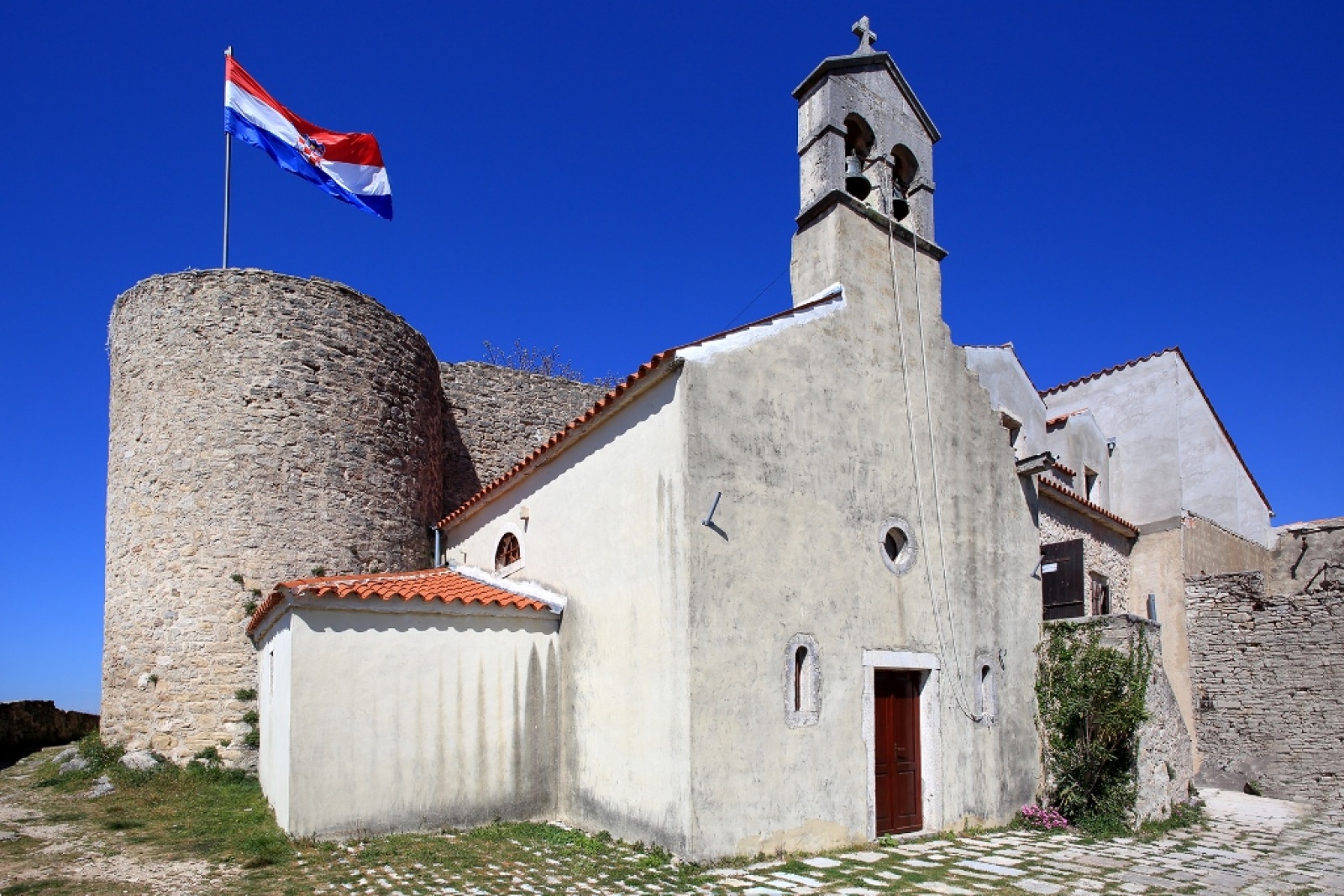
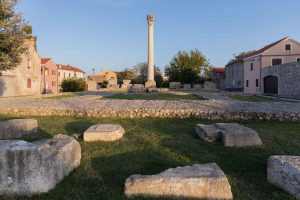
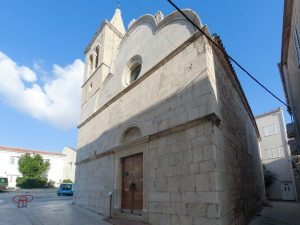
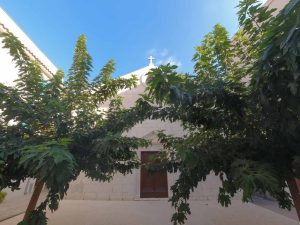
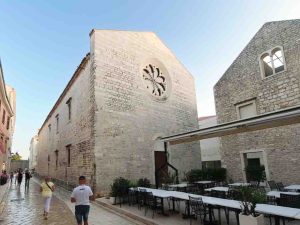
The Orthodox Church of Saint Prophet Elijah is situated on the Capitoline Hill – the elevated area of the Roman forum where a temple once stood.
The Orthodox Church of Saint Prophet Elijah is situated on the Capitoline Hill – the elevated area of the Roman forum where a temple once stood. The same location was home to a medieval Church of Saint Elijah, which the Venetian authorities gave to Orthodox Greek sailors and soldiers in their service towards the end of the 16th century.
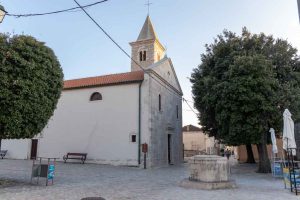
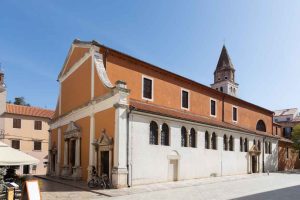
When Serbs took over the church, they expanded it, essentially rebuilding it. The current church was constructed in 1773 in the style of local Late Baroque.
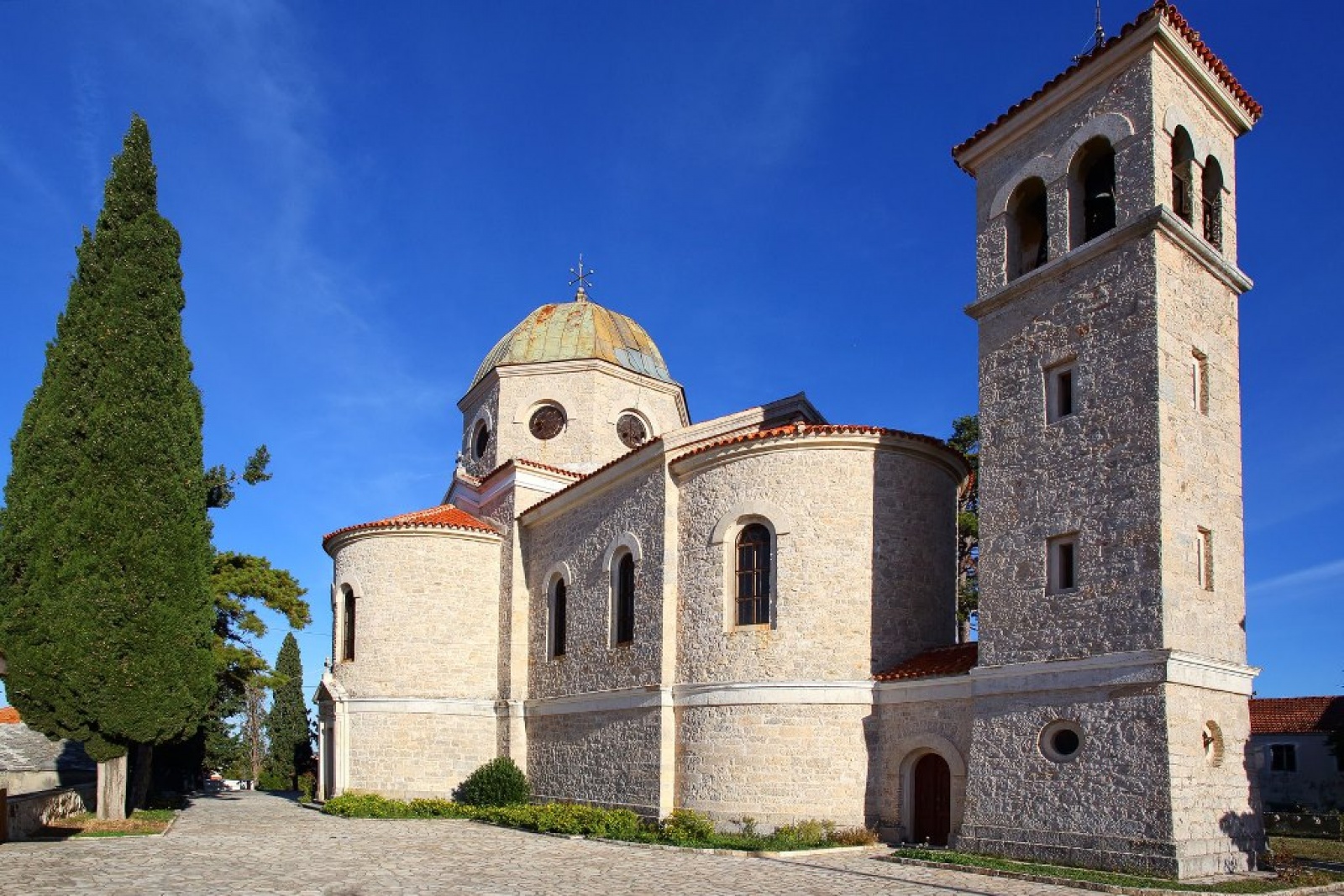
The eastern facade, with the sanctuary, embraces a baroque bell tower from 1754. Above the loggia, the tower culminates in an octagonal drum supporting a pyramid. The nave is single-aisled with a ceiling adorned with stucco work.
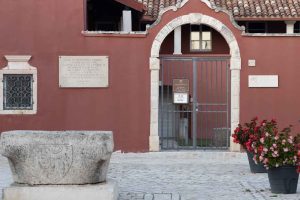
The church follows the Eastern Orthodox rite and possesses a valuable marble iconostasis completed in 1811 by Mihajlo Speranza. Adjoining the church is a building housing a treasury with valuable artifacts typical of the Eastern Orthodox tradition.
The collection includes icons dating from the 15th to the 20th centuries, among other items. Due to the war in 1991, the collection of museum pieces from the Church of Saint Prophet Elijah was moved to a secure location. While not entirely preserved, the majority of the collection remains. It is currently not accessible to the public.
Location
Zadar
Zadar is the oldest continuously inhabited city in Croatia. It is situated on the Adriatic Sea, at the northwestern part of Ravni Kotari region. Zadar serves as the seat of Zadar County and of the wider northern Dalmatian region. The city proper covers 25 km2 (9.7 sq mi) with a population of 71,000 in 2025, making it the second-largest city of the region of Dalmatia and the fifth-largest city in the country.
ExploreBaroque
One of the most remarkable periods in Croatian art history is the Baroque, which lasted from the 17th to the late 18th century. During this time, Croatia was reunited with the parts of its territory that were occupied by the Venetian Republic and the Ottoman Empire, after centuries of fragmentation and division. This reunification not only brought political stability and economic prosperity but also stimulated a cultural revival and a flourishing of art in every segment.
Explore










Reviews
There are no reviews yet.